25 October 2026, 21:21
Loading...
European Union to leave Energy Charter Treaty, with states to decide on treaty modernization

Lukáš Lepič
3 June 2024, 14:38
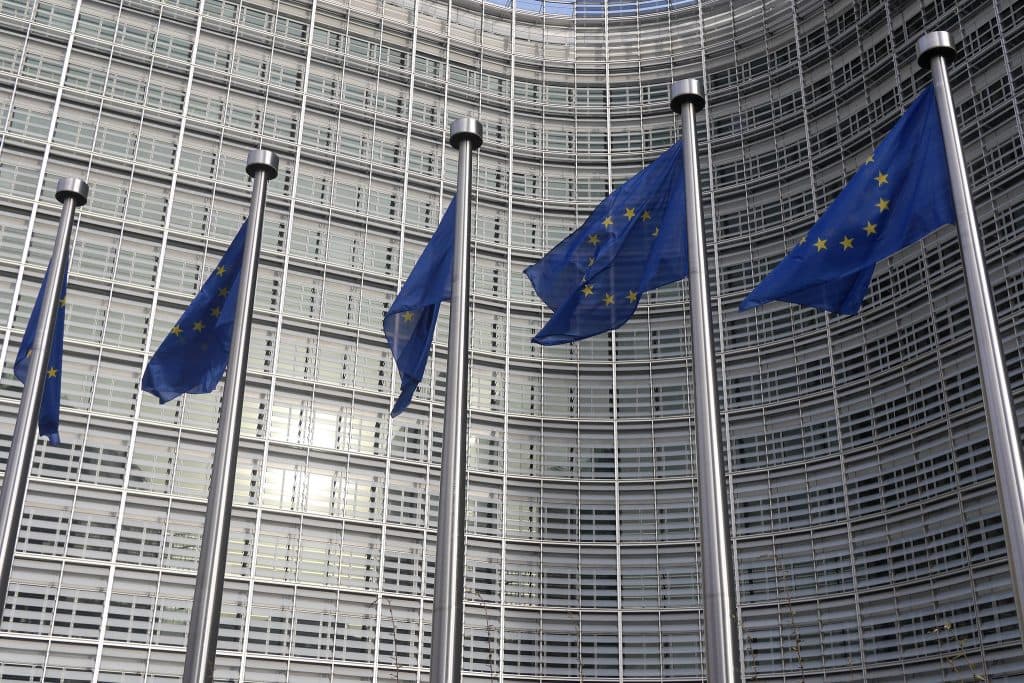
The European Commission and European Parliament have adopted decisions on the EU and Euratom’s withdrawal from the Energy Charter Treaty. Member states will have the opportunity to vote on modernizing the Treaty. It has long been criticized as outdated, with rules that stand in the way of climate targets and investment in modern energy in Europe.
On Thursday, 30 May, the Council adopted a decision for the European Union and Euratom to leave the Energy Charter Treaty. This followed the Commission’s long-standing proposal for the coordinated withdrawal of the Union and its member states. The Commission believes the Treaty is no longer compatible with the EU’s climate targets under the European Green Deal and the Paris Agreement, primarily because of concerns about continued investment in fossil fuels.
After more than a year of negotiations, the Council’s formal adoption gave final approval to the EU and Euratom’s withdrawal from the Energy Charter Treaty, following the European Parliament’s approval at its last plenary session in April this year.
A joint panel of MEPs from the committees on industry, research, energy and international trade appeared united in defending the European Parliament’s approval of the withdrawal. The recommendation was adopted by 58 votes to 8, with 2 abstentions.
Member states that wish to remain parties to the Treaty after the EU and Euratom withdraw will be able to vote at the upcoming Energy Charter Conference, scheduled for the end of 2024, and approve or not oppose the adoption of a modernized agreement.
The Charter has faced long-standing criticism, including in the Czech Republic
The Energy Charter Treaty is a multilateral agreement that entered into force in 1998 and includes provisions on investment protection and trade in the energy sector. The Energy Charter Treaty has long faced criticism, particularly from left-wing parties.
The agreement allows energy companies to sue governments over policy measures that harm their investments. In recent years, some companies have used this option to bring lawsuits against measures that halt or restrict fossil fuel projects.
“The Energy Charter Treaty allows multinational fossil fuel companies to sue states and the European Union if climate policies affect their profits. Amid a climate crisis, this is a contradiction, as well as being very costly for taxpayers. A significant movement to end this treaty has been built with civil society. I am glad that this mobilization is now bearing fruit. Public investment in renewables must now be accelerated,” said Mar Botenga (The Left, BE), rapporteur for the Committee on Industry, Research and Energy, during the European Parliament vote.
The Charter has also faced criticism from several quarters in the Czech Republic. “The Energy Charter was created in the early 1990s to protect energy companies’ investments in Central and Eastern Europe. Today, the whole world is seeking to decarbonize, and this Charter is truly standing in the way,” Martin Bursík, president of the European Renewable Energies Federation, said in a debate for Czech Radio in December 2022.
Translation disclaimer
This article is a machine translation of the Czech original and has not yet been fully reviewed. In case of any doubt, please refer to the Czech version.
Sdílejte článek prostřednictvím:
You might also like

25 October 2026, 08:20