
28 October 2026, 15:10
Loading...
New gas package – part 2: Hydrogen will mainly decarbonize industry
Klára Čeperová
9 May 2024, 14:07
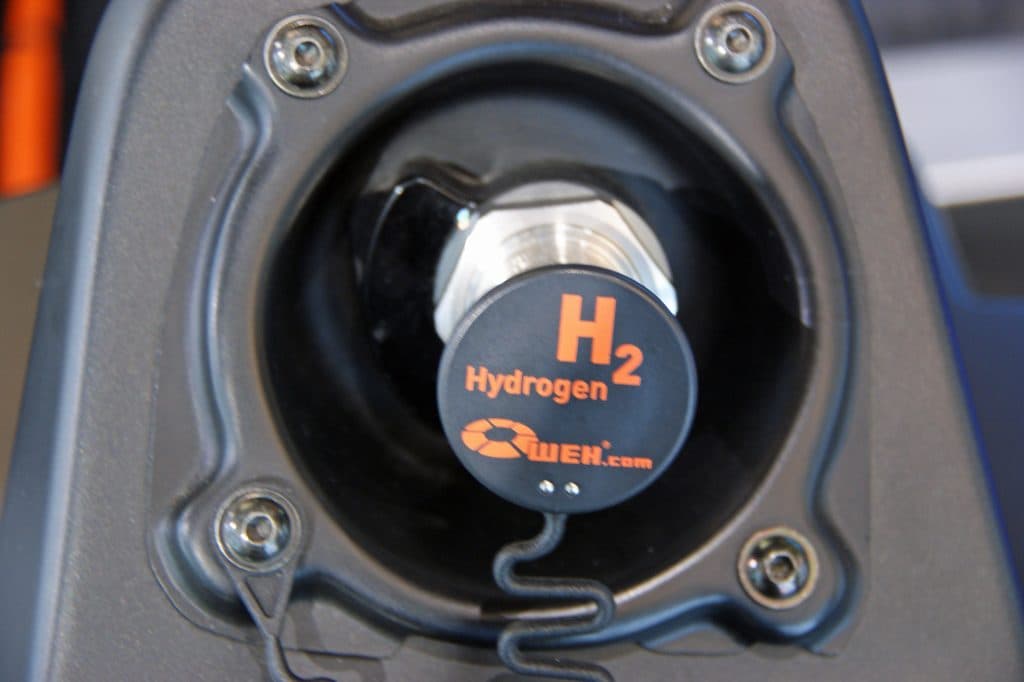
The European Parliament has voted on the gas package, which aims, among other things, to make it easier to integrate renewable and low-carbon gases into the existing gas network. It therefore proposes giving these gases access to the wholesale gas market and reducing cross-border tariffs to facilitate trade in the commodity.
The gas package – key points
- Building hydrogen infrastructure and a market
- Renewable and low-carbon gases
- Integrated network planning
- Supporting consumer engagement
- Energy security and supply
The new gas package seeks to pave the way for renewable and low-carbon gases and thereby support the decarbonization of the EU gas market. By enabling renewable and low-carbon gases to enter the existing gas network, it contributes to the EU’s climate goals, Hydrogen Insight reports.
Low-carbon gases
The legislation includes a proposed system for the terminology and certification of hydrogen and low-carbon gases, complementing the rules proposed for renewable hydrogen under the draft revised Renewable Energy Directive (RED). The legislation therefore does not cover only hydrogen produced using electricity from renewable sources, offering a route to faster development of the hydrogen market.
It also covers low-carbon H2 and its derivatives, such as synthetic methane, which must produce 70 % fewer greenhouse gas emissions than fossil fuels.
One potential producer in the Czech Republic is gas distribution company GasNet. GasNet has begun working with Graforce, a German leader in hydrogen plasma pyrolysis technology, and the two companies are preparing the first low-emission hydrogen production project.
"Europe and Czechia are moving towards climate neutrality. This will not be possible without green energy, and the transition to these gases is becoming a reality. From a distribution perspective, hydrogen and its blends with natural gas are already covered by the same legal framework as natural gas and biomethane, thanks to an amendment to the Energy Act," says Aleš Gregorovič, spokesperson for the GasNet Group.
The proposals also call on the European Commission to publish, within one year of the package being signed, a methodology for assessing the carbon footprint of blue hydrogen that takes into account methane emissions from production, H2 leakage and the actual carbon capture rate for each project.
They also urge member states to adopt specific measures to support the use of sustainable biomethane. Countries are to ensure non-discriminatory access to the gas system. This is linked to the REPowerEU target of using 35 billion cubic metres of biomethane from 2030.
Transporting new gases
In addition, harmonized gas quality rules are proposed, allowing up to 2 % hydrogen to be blended in. H2 and renewable gases entering the gas network will receive a 75% discount on the tariff.
"The use of hydrogen will focus on customers in hard-to-decarbonize sectors with high potential to reduce greenhouse gas emissions, where no more energy- and cost-efficient options are available," one of Parliament’s proposals states.
Decarbonizing industry
It is thus becoming clear that these molecules are intended primarily to decarbonize industry, not to heat homes.
In a separate provision on government intervention in gas pricing, the body states that “public service obligations in price setting should apply only to natural gas supplies, as household customers are not expected to use hydrogen for heating on a large scale. The hydrogen market is expected to concern primarily industry, which does not require such public intervention,” according to Hydrogen Insight.
Customers
A decarbonized gas market should not develop without customers being able to fully benefit from it. Customers have the option of choosing renewable and low-carbon sources. However, the absence of common EU terminology and a certification system for low-carbon fuels and gases, market concentration, low levels of new market entrants and limited innovation prevent customers from fully taking advantage of these options.
To choose sustainable energy, customers need sufficient information about their consumption and the origin of their energy, as well as effective tools for participating in the market. EU countries should also take the necessary measures to protect vulnerable customers and those experiencing energy poverty.
The Commission therefore proposes including most of the provisions of the Electricity Directive concerning consumer rights in the current proposals. These rights include price regulation, support for vulnerable customers and making it easier to switch energy suppliers.
The next step in adopting the legislation is its approval by the Council of the EU. The first reading is scheduled for the second half of May.
Translation disclaimer
This article is a machine translation of the Czech original and has not yet been fully reviewed. In case of any doubt, please refer to the Czech version.
Sdílejte článek prostřednictvím:
You might also like

28 October 2026, 13:08

28 October 2026, 11:10

28 October 2026, 09:08
