Billions in costs and delays measured in decades: Trans-European transport network megaproject is falling behind

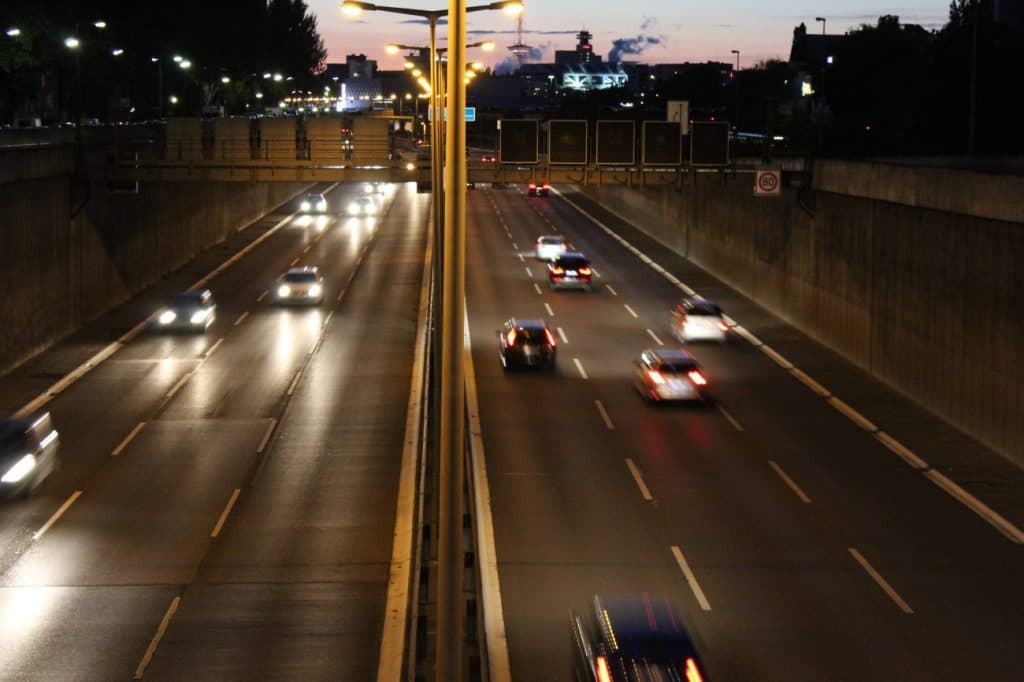
The Trans-European Transport Network (TEN-T) is intended to connect key European ports, airports and population centres. But according to the latest EU audit, this flagship European project, closely linked to the European Green Deal, is falling significantly behind schedule.
The plan, which involves connecting roads, railways and waterways into a seamless continental network, has faced delays from the outset, as reported by Euractiv. The core network was supposed to be completed by 2030, but the audit suggests that, despite billions in public funding, this is unlikely to happen.
The Commission views TEN-T as one of the important elements of the European Green Deal, which presents railways and waterways as alternatives to road and air transport. Growing delays and sharply rising costs mean that the bloc will not meet its 2030 target. The European Court of Auditors found, however, that progress on the main project components has slowed rather than accelerated since the last review six years ago. Of the eight “megaprojects” assessed, five are an average of four years behind schedule, and four are now expected to miss their 2030 completion deadline.
These delays have occurred despite an increase in financial support from the EU budget. The total amounts to approximately EUR 15.3 billion, with more than half paid out only in recent years in response to the projects’ increasingly delayed schedules. The additional funding, however, has not been enough to prevent further delays.
Delays of decades and billions in additional costs
Some TEN-T projects are decades behind schedule. For example, the Lyon–Turin high-speed rail link, which is intended to strengthen connections between France and Italy, is not expected to enter service until 2033, 18 years later than originally planned. The Brenner Base Tunnel, a key north-south rail link through the Alps, is expected to be completed in 2032, around 16 years behind schedule. And the Seine–Nord Europe Canal, which is intended to connect French waterways with northern European routes, faces a record delay of 22 years.
In addition, six of the eight major projects are over budget by several billion euros. For example, according to the Court of Auditors, the estimated cost of Rail Baltica, which will connect the Baltic states to the rest of the EU rail network, has nearly quadrupled, from EUR 4.6 billion to more than EUR 18 billion. The budget for the Seine–Nord Canal has increased by 225%.
Not all the findings of the latest audit are negative, however. The Court of Auditors reports, for example, that projected costs for Romania’s A1 motorway and Poland’s E59 railway line have fallen by 11% and 18%, respectively. But the Court warned that, three decades after preparations began for many of these projects, Europe is still a long way from delivering the promised benefits for passengers and freight operators.
Translation disclaimer
This article is a machine translation of the Czech original and has not yet been fully reviewed. In case of any doubt, please refer to the Czech version.




