Commission proposes measures to lower electricity prices for consumers

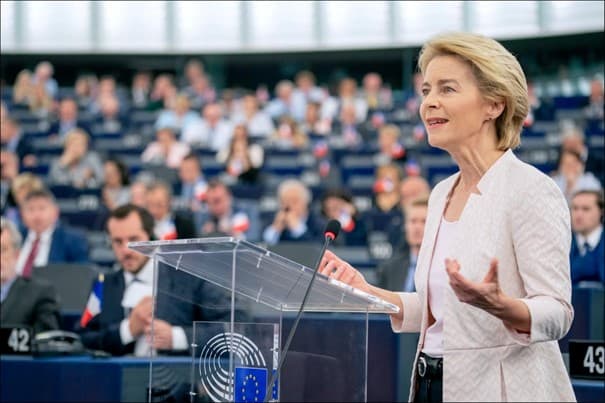
The European Union is preparing a new policy initiative aimed at protecting consumers from rising energy costs caused by the war in Iran. The proposal is also intended to help accelerate the transition away from fossil fuels.
As EuroNews reported, the proposal centres on a plan to significantly cut taxes on electricity, which are currently much higher than taxes on gas and oil. The European Commission proposal, officially expected to be published on 22 April, is primarily intended to ease pressure on household bills.
Oil and natural gas prices are once again rising above $100 per barrel. Prices have increased mainly because of disruptions to supply chains, particularly through the Strait of Hormuz. It is a key route for approximately 20% of the world’s oil supplies.
One of the key issues highlighted by the Commission is the structure of energy prices. Wholesale electricity prices in Europe are still largely determined by the generation costs of gas-fired power plants, meaning that fluctuations in gas prices directly affect electricity prices. The current rise in gas prices is therefore driving up electricity prices, even though electricity is central to the EU’s decarbonisation strategy.
Taxation of individual energy commodities plays a significant role in the final price. On average, taxes and levies account for almost 28% of electricity bills in the EU, and are partly used to fund renewable energy projects. Although this system was originally designed to support green measures, it is now considered counterproductive. According to the Commission, it discourages households and industry from switching to electric solutions.
The proposed reform would revise EU tax rules, which have not changed since 2003. The aim is to ensure that electricity is ultimately taxed less than fossil fuels. Previous attempts to introduce these changes failed due to a lack of unanimous support among member states. The current energy crisis, however, could help secure approval.
To offset potential revenue losses from lower electricity taxes, Brussels is considering introducing a windfall tax on fossil fuel companies whose profits have surged during the crisis. The proposal also aligns with the EU’s broader efforts to expand renewable energy, modernise energy grids and introduce binding electrification targets in the coming months.
Translation disclaimer
This article is a machine translation of the Czech original and has not yet been fully reviewed. In case of any doubt, please refer to the Czech version.




