21 October 2026, 14:08
Loading...
Compromise on emissions allowances reached. EU backs away from tougher proposal

oEnergetice.cz, ČTK
21 October 2026, 14:08
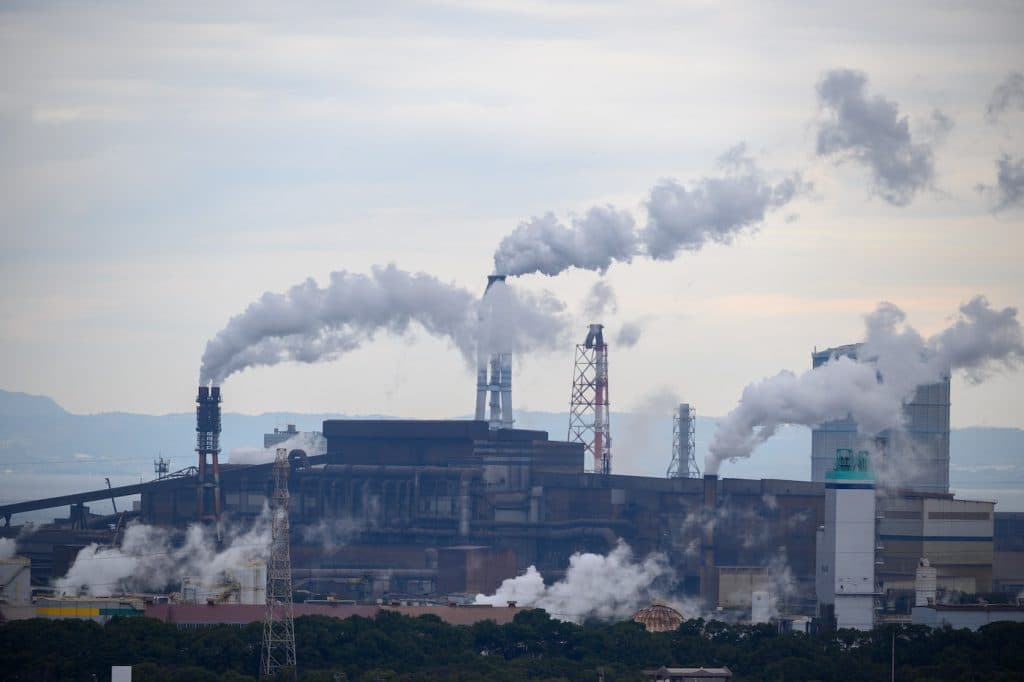
Brussels, 21 October (CTK correspondent) - EU member states and the European Parliament have reached a provisional agreement on changes to the European Commission's proposal from April concerning the ETS 1 emissions trading system. The EU Council announced the agreement. The Commission proposed amending the so-called Market Stability Reserve (MSR), which regulates the supply of allowances on the market. It originally wanted to halt the mechanism that permanently invalidates allowances when there is a surplus in the reserve. The agreement, however, provides for the mechanism to be retained, while the threshold for invalidation will rise from 400 million to 700 million allowances.
"The new rules will strengthen the Market Stability Reserve's ability to intervene in the market through the potential future release of allowances, which is intended to protect European industry from extreme price fluctuations. At the same time, they are intended to send a clear signal to the market and maintain safeguards against an excessive surplus of allowances," the EU Council said.
The provisional agreement still needs to be formally approved by both the European Parliament and EU member states.
The Market Stability Reserve helps regulate the number of allowances on the market. It reduces supply in the event of a surplus and releases allowances when there is a shortage, helping to stabilise prices. The Commission has previously said its aim is to increase stability and predictability. Czech Prime Minister Andrej Babiš is among those calling for changes to the emissions trading system.
"Since the invalidation mechanism began operating in 2023, more than three billion emissions allowances have been invalidated and withdrawn from the market. This restored the balance between supply and demand and addressed the historical surplus of allowances that had built up in the ETS," the EU member states said in a statement.
"While the Commission's proposal provides for the permanent suspension of the allowance invalidation mechanism, the co-legislators have provisionally agreed on a compromise: the invalidation mechanism will remain in place, but the threshold for invalidation will rise from the current 400 million to 700 million allowances," the text adds.
In addition to its April proposal concerning the Market Stability Reserve, the European Commission presented a comprehensive review of the ETS 1 emissions trading system in July. It says, for example, that it wants to maintain the free allocation of allowances beyond 2030, but to link it more closely to investment in decarbonisation. Companies will therefore have to submit and implement emissions reduction plans to continue receiving support. Discussions on these proposals have only just begun in the European Parliament.
The ETS emissions trading system is intended to encourage companies to reduce emissions. Companies have to buy allowances for every tonne of CO2 they emit. The more they emit, the higher their costs, making investment in cleaner technologies worthwhile.
ETS 1 is Europe's main emissions trading market and covers energy, heavy industry and aviation in the EU. ETS 2 is due to come into operation in 2028, following a one-year delay, and is expected to cover road transport and building heating.
The ETS is the EU's main tool for tackling climate change and is not the main cause of the current rise in energy prices in Europe, Reuters noted. The agreed changes, however, respond to demands from some governments, including those of Poland, Italy and Czechia, which want to mitigate the impact of the ETS on electricity prices.
According to EU data, ETS costs account for an average of about 11 percent of electricity bills in Europe. The figure varies from one of the 27 member states to another; in Poland, for example, it is 24 percent, reflecting the dominant role of coal-fired power plants in the country's energy mix. In Czechia, it is 20 percent, a similarly high share to Italy's.
Translation disclaimer
This article is a machine translation of the Czech original and has not yet been fully reviewed. In case of any doubt, please refer to the Czech version.
Sdílejte článek prostřednictvím:
You might also like
21 October 2026, 14:00

21 October 2026, 06:41