10 November 2026, 16:31
Loading...
EU continues to seek ways to withdraw from international treaty protecting energy investments

Eduard Majling
4 May 2023, 11:52
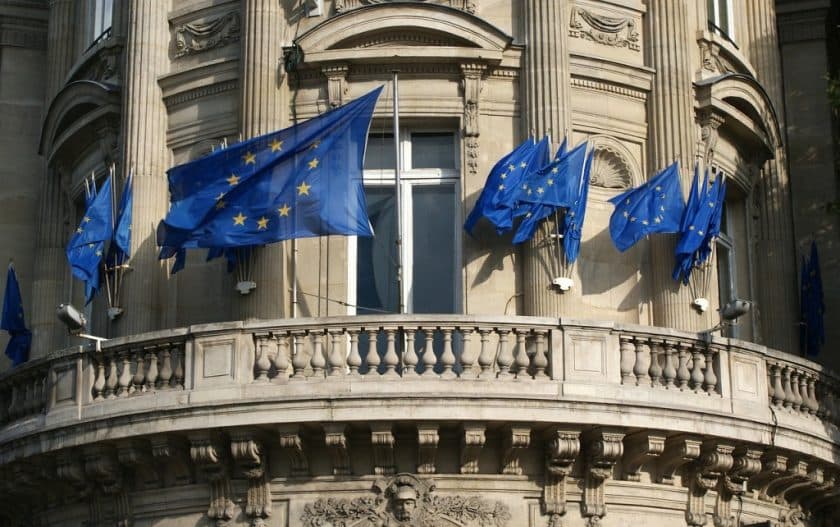
The European Union is continuing to explore ways to withdraw from the Energy Charter Treaty, which is intended to protect energy investors from government regulatory interventions. Under a new proposal, the EU could withdraw from the treaty as a whole, while member states would have the option of remaining party to a modernised version of the agreement. Earlier this year, the European Commission said it considers withdrawal from the treaty unavoidable because it does not align with the bloc’s climate ambitions.
The question of withdrawing from the so-called Energy Charter Treaty, an international agreement dating from the late 1990s with around 50 signatories, remains a subject of debate within the EU. Several EU member states announced their intention to withdraw from this key treaty over the course of last year, namely France, the Netherlands, Poland, Spain and, last but not least, Germany.
At the beginning of this year, the European Commission also weighed in on the issue, saying that a coordinated withdrawal from the treaty by the entire EU is unavoidable. According to Reuters, however, some member states, including Slovakia, Hungary and Cyprus, are interested in maintaining their commitment under an updated version of the treaty. EU officials must now find a compromise acceptable across the entire bloc.
Translation disclaimer
This article is a machine translation of the Czech original and has not yet been fully reviewed. In case of any doubt, please refer to the Czech version.
The article continues for subscribers
Premium content
The rest of this article is available to premium subscribers only. Get access to all premium articles on oEnergetice.cz.
Best value: annual subscription
Monthly option 4 € / month
3.25 €/ month
You might also like
10 November 2026, 15:19
10 November 2026, 10:23

10 November 2026, 09:48

10 November 2026, 06:21