EU proposes increasing support for wind energy and scrutinizing subsidies on imported components

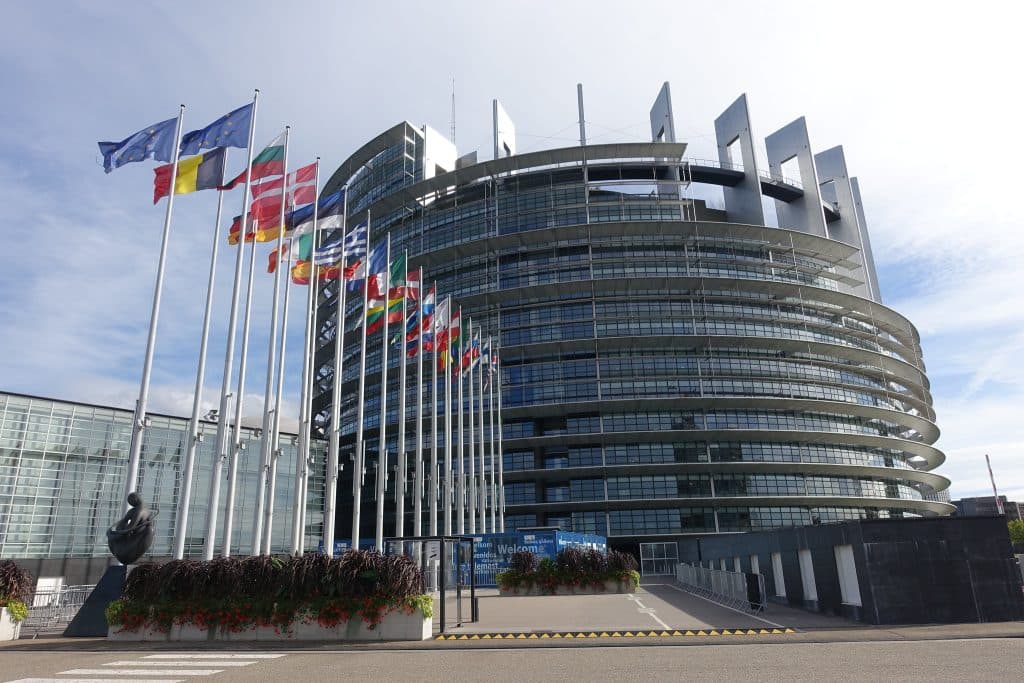
The European Union plans to increase financial support for the wind energy sector and scrutinize subsidies for imports of foreign components for wind farms. The main reason is growing competition from China. The information comes from a document seen by Reuters. The European Commission reportedly plans to publish the proposed measures this week.
The main purpose of the measures would be for the European Union and its financial institutions (the European Investment Bank) to launch a system of counter-guarantees this year for banks’ credit exposures to component suppliers and wind turbine manufacturers. The aim is to improve manufacturers’ access to finance at a time when they are being urged to expand wind power capacity on a massive scale. Wind power is crucial for Europe to meet its target of generating 42.5% of its energy from renewable sources by 2030, almost double the current share.
According to Reuters, the draft document states that the EU will also closely monitor “potential unfair trade practices that benefit foreign wind turbine manufacturers”, including subsidies for products sold on the European market. “Where justified, the Commission will activate its trade defence instruments,”the draft states. However, the wording of the document may still change before publication.
The announcement is in line with steps the European Commission is already taking to protect manufacturers of other technologies. Last month, for example, it launched an investigation that could lead to tariffs to protect EU manufacturers from cheaper electric vehicles from China. A European Commission spokesperson declined to comment on the proposal. Commission President Ursula von der Leyen pledged support for the wind energy sector last month.
Other measures to develop wind power are also planned. The EU will, for example, extend the validity of a temporary law that shortens permitting deadlines. Brussels plans to draw up guidelines for national renewable energy auctions that could give local suppliers an advantage. Under the proposal, suppliers would have to compete not only on price but also on cybersecurity and sustainability criteria.
Will wind turbine manufacturing follow solar panels?
Most components for wind farms in Europe are manufactured locally, setting the sector apart from other clean technology industries. For example, the vast majority of some components for solar panels are now imported. In recent years, however, pressure on Europe’s wind power sector has been growing.
As the head of European wind turbine manufacturer Enercon, Jürgen Zeschky, points out, competition for European manufacturers will intensify in the coming years not only from China but also from the United States. China already clearly dominates component manufacturing in terms of total output. Its global share of production of most key components exceeds 40-50%. By contrast, the US share is currently in the single digits and lags behind Europe. However, domestic production is expected to grow as a result of the Inflation Reduction Act (IRA).
The economics of exporting massive wind turbines nevertheless impose limits on which components Chinese or American manufacturers can ship to Europe. Western wind turbine manufacturers are also optimistic thanks to certainty over climate policy in the US and EU, and lower costs following supply chain stabilization after the introduction of COVID regulations. Alongside the improving economic situation, manufacturers are receiving political support, as calls grow for EU wind turbine factories to produce 85% of the bloc’s annual installations by 2030.
Despite this optimism, exports of finished wind turbines from mainland China could increase in the future. Europe had more than 22 GW of installed wind power capacity in 2020. Major manufacturers such as Siemens Gamesa, Vestas and GE are striving to become profitable, leading to the closure of some plants. Wind turbine manufacturers are suffering from rising energy prices and a shortage of skilled labour. They are also struggling to pass costs on to customers because of the time lag between placing an order and delivering the turbines.
All the major European power generation equipment manufacturers reported operating losses in 2022. The sector warned that it was struggling to grow quickly enough to meet green energy targets, as companies face record-high inflation, sharply rising interest rates and volatile energy markets.
Translation disclaimer
This article is a machine translation of the Czech original and has not yet been fully reviewed. In case of any doubt, please refer to the Czech version.




