European climate law is in the hands of a divided Parliament

The newly proposed EU climate law for 2040 sets a binding target of cutting greenhouse gas emissions by 90% by 2040 compared with 1990 levels. The key team that will decide the proposal’s future is led by Czech MEP Ondřej Knotek. The news was reported by Euractiv.
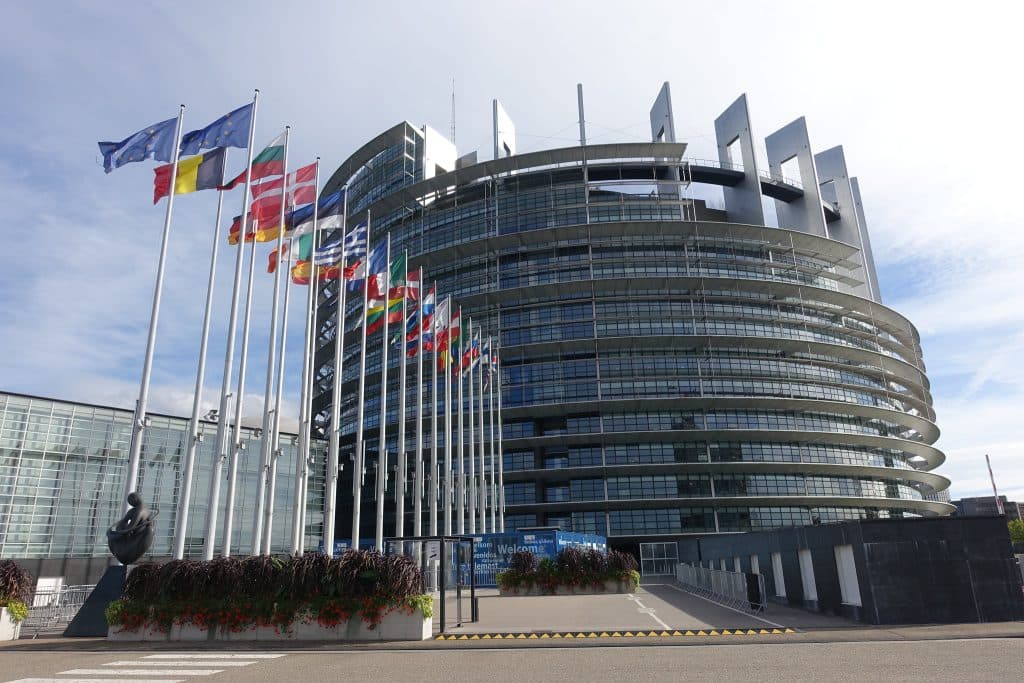
The team of MEPs is tasked with pushing the climate law proposal through the European Parliament (EP), and then negotiating a compromise with national delegates. Its composition could therefore have a major influence on Europe’s future climate policy.
The European Climate Law is a supporting instrument for drawing up specific climate-related directives and regulations. The revision will also shape the bloc’s strategy ahead of the UN climate summit COP30 in Brazil.
The new European Commission presented its proposal at the beginning of July this year. It proposed cutting greenhouse gas emissions by 90% by 2040 compared with 1990 levels. This target builds on the existing goal of cutting emissions by at least 55% by 2030 and supports the EU’s path towards climate neutrality by 2050.
The proposal is primarily intended to provide legal certainty for investors and businesses, support innovation and industrial competitiveness, and ensure a fair and inclusive decarbonisation.
The future of this ambitious law lies in the hands of an ideologically divided European Parliament (EP). The negotiations are led by Czech MEP Ondřej Knotek (ANO), from the far-right Patriots for Europe group, whose mixed messages about the human influence on the climate have raised concerns. Knotek acknowledges the need to address climate issues, but has also made statements partly questioning the extent of human influence and describing EU climate policy as a threat to the European economy.
A number of EP shadow rapporteurs oppose Knotek’s views. A key figure on the team is Portuguese MEP Lídia Pereira from the largest group, the European People’s Party, who stresses the need for ambitious but flexible targets. Spanish Socialist representative Javier López is calling for a 90% emissions cut and links environmental goals with social justice and economic resilience.
By contrast, Alexandr Vondra (European Conservatives and Reformists), if confirmed, is likely to reject the bill outright. The ODS representative describes European climate policy as “climate colonialism”.
Other figures leading the EP negotiations include liberal Gerben-Jan Gerbrandy of Renew Europe, Lena Schilling of the Greens group and Catarina Martins (The Left). Both female representatives advocate steeper emissions cuts of up to 95% and warn that the bill’s fate is in uncertain hands because of right-wing control.
At the other end of the spectrum is German MEP Anja Arndt of the far-right AfD, who openly denies human-caused climate change and rejects the bill as eco-fanaticism.
Translation disclaimer
This article is a machine translation of the Czech original and has not yet been fully reviewed. In case of any doubt, please refer to the Czech version.




