
23 October 2026, 14:38
Loading...
European Commission: End fossil fuel subsidies by 2030
Veronika Jurcová
4 February 2025, 06:26
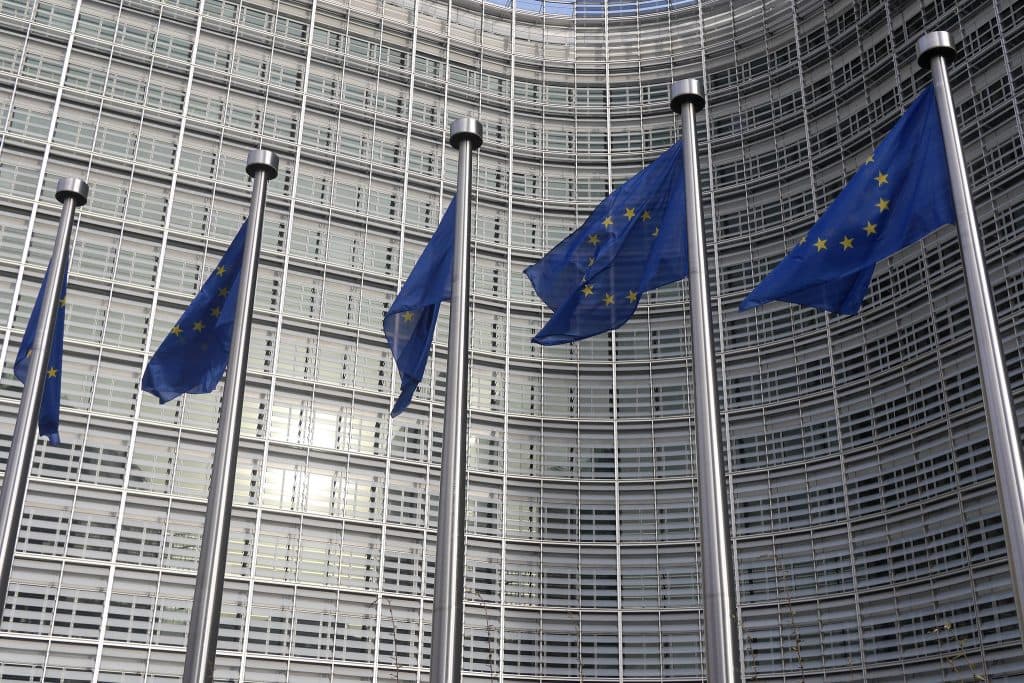
At the end of January, the European Commission published its regular report on energy subsidies, highlighting the need to phase out fossil fuel subsidies by 2030 and redirect them to support the transformation of the energy sector. The energy crisis in 2022 led to a temporary increase in fossil fuel subsidies, but maintaining them over the long term could jeopardise investment in clean energy and deepen dependence on fossil fuels, S&P Platts reports in this article.
The 2024 Report on Energy Subsidies in the EU is the Commission’s sixth annual report monitoring energy subsidies and progress towards phasing out fossil fuel subsidies in EU member states. It highlights the still relatively high share of fossil fuel subsidies in the EU and stresses the need for greater transparency.
It proposes reforming the current subsidy system to level the playing field between technologies and support the development of clean energy rather than perpetuating dependence on fossil fuels.
Impact of the energy crisis on subsidies
The recent energy crisis prompted the EU to adopt emergency policy measures to mitigate its social and economic effects. These measures had a major impact on energy subsidy trends, temporarily reversing the downward trend in fossil fuel subsidies. Meanwhile, lower costs and higher electricity prices reduced the need for subsidies for renewables, which became more competitive.
Rising energy commodity prices also changed how subsidies were provided, which technologies they supported and which sectors they targeted. Since 2022, subsidies for households and various sectors of the economy have increased significantly. At least 270 national measures to address the energy crisis have been implemented across the EU, with households as the main direct beneficiaries, followed by industry and the transport sector.
Overall, subsidies linked to national crisis measures to protect EU consumers from high prices peaked at EUR 187 billion in 2022, fell to EUR 145 billion in 2023 and are expected to drop to EUR 78 billion in 2024 following the end of temporary measures.
Total energy subsidies in the EU rose from EUR 213 billion in 2021 to EUR 397 billion in 2022, then fell by 10% to EUR 354 billion in 2023, equivalent to approximately 2.10% of GDP, according to Commission data.

Total energy subsidies in the EU-27 (EUR billion in 2023, left; % of EU GDP, right)
Source: European Commission, The 2024 Report on Energy Subsidies in the EU
The report notes positively that despite weakening price signals and providing the wrong incentives to use energy, the increase in subsidies did not lead to higher energy consumption. On the contrary, from August 2022 to May 2024, the EU achieved an 18% reduction in gas consumption, equivalent to savings of approximately 138 billion m³ of gas.
Support for renewable energy
Fossil fuel subsidies accounted for 34% of all energy subsidies in 2023, while renewables received just 17%. Support for renewables thus fell from 40% in 2021 and 22% in 2022. Higher electricity prices also automatically reduced support under subsidy mechanisms that top up market prices.
Specifically, fossil fuel subsidies rose from EUR 60 billion in 2021 to EUR 136 billion in 2022, then fell to EUR 111 billion in 2023. Subsidies for renewable energy fell to EUR 83 billion in 2021, the first decline since 2015, followed by a drop to EUR 68 billion in 2022 and EUR 61 billion in 2023.
In the Czech Republic, solar power plants received more than 50% of all subsidies for renewables.

Share of renewable energy subsidies by technology in member states (%)
Source: European Commission, The 2024 Report on Energy Subsidies in the EU
Recommendations and priorities of the new European Commission
The report comes as the EU seeks to completely phase out fossil fuel subsidies by 2030, highlighting their sharp increase in 2022 as a result of the energy crisis. Extending these subsidies could hinder investment in renewables and energy efficiency, deepen dependence on fossil fuels and burden European economies.
The new European Commission has made reducing, reforming and phasing out support for fossil fuels a priority. The process is being led by Climate Commissioner Wopke Hoekstra together with Energy Commissioner Dan Jørgensen. The aim is to set out a clear path for phasing out these subsidies.
“The energy transition will only succeed if low-carbon and renewable technologies and energy efficiency are rapidly scaled up, making it essential to increasingly redirect support away from environmentally harmful fossil fuel subsidies,” the report says.
In its assessment of draft national energy and climate plans, the European Commission called on member states to make a collective effort to phase out fossil fuel subsidies.
Member states should:
- Set clear and credible timelines for reducing and eliminating these subsidies.
- Introduce measures to protect vulnerable households from potential adverse impacts.
- Ensure the competitiveness of European industry, so that the transition to clean energy sources does not jeopardise economic stability.
A coordinated approach should ensure that the EU meets its climate targets while protecting the social and economic interests of its citizens.
Translation disclaimer
This article is a machine translation of the Czech original and has not yet been fully reviewed. In case of any doubt, please refer to the Czech version.
Sdílejte článek prostřednictvím:
You might also like


23 October 2026, 11:01


23 October 2026, 06:34