10 October 2026, 07:37
Loading...
European Commission plans to attract hundreds of billions for clean energy. But will it be enough?
Veronika Jurcová
26 March 2026, 07:02
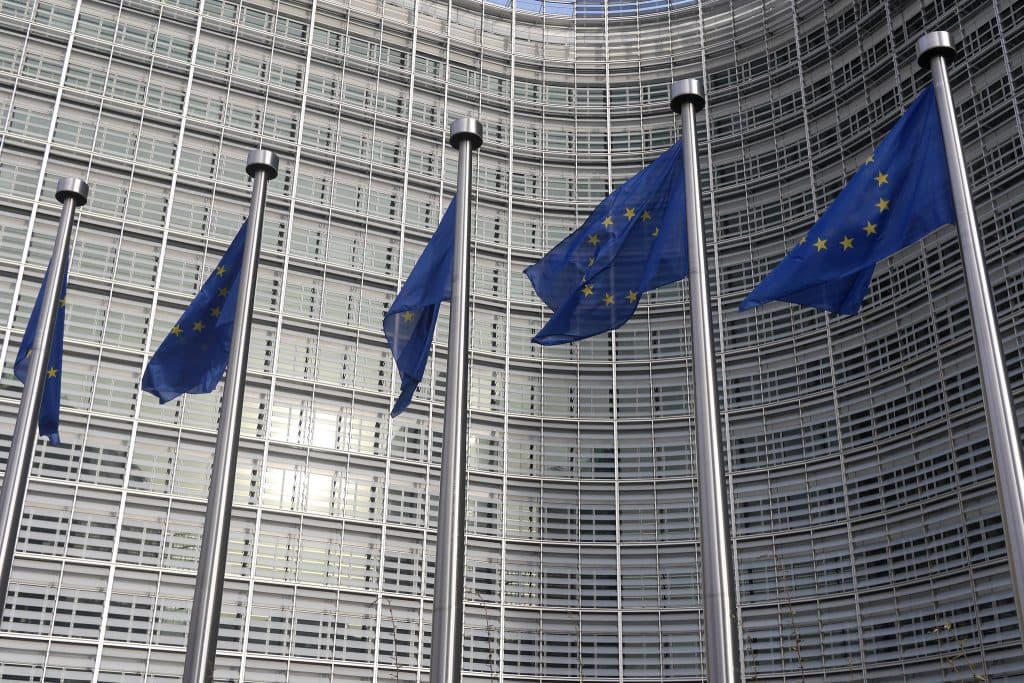
The European Commission has unveiled a strategy to mobilise hundreds of billions of euros a year for clean energy and attract private capital. Analysts warn, however, that without addressing regulatory barriers and system flexibility—and with some sectors overlooked—the plan may not deliver the expected impact.
On 10 March, the European Commission presented a new plan to significantly increase investment in clean energy. This investment will determine whether Europe can achieve decarbonisation, energy security and industrial competitiveness at the same time.
Annual investment needs are substantial: around 660 billion euros a year through 2030, and almost 700 billion in the following decade. Public budgets cannot cover this amount.
"To power the European economy with secure, affordable and clean energy, we need to significantly increase the pace and scale of investment. Public funding alone is not enough. We must make strategic use of private capital. With our Clean Energy Investment Strategy, backed by more than 75 billion euros in financing from the European Investment Bank, we will reduce project risks and attract a wider range of investors to help finance clean technologies, energy efficiency and modern infrastructure, such as grids, which will form the backbone of the transition to clean energy. This strategy represents a major step forward in the energy investment we need for our competitiveness, security and decarbonisation," said European Commissioner for Energy Dan Jørgensen.
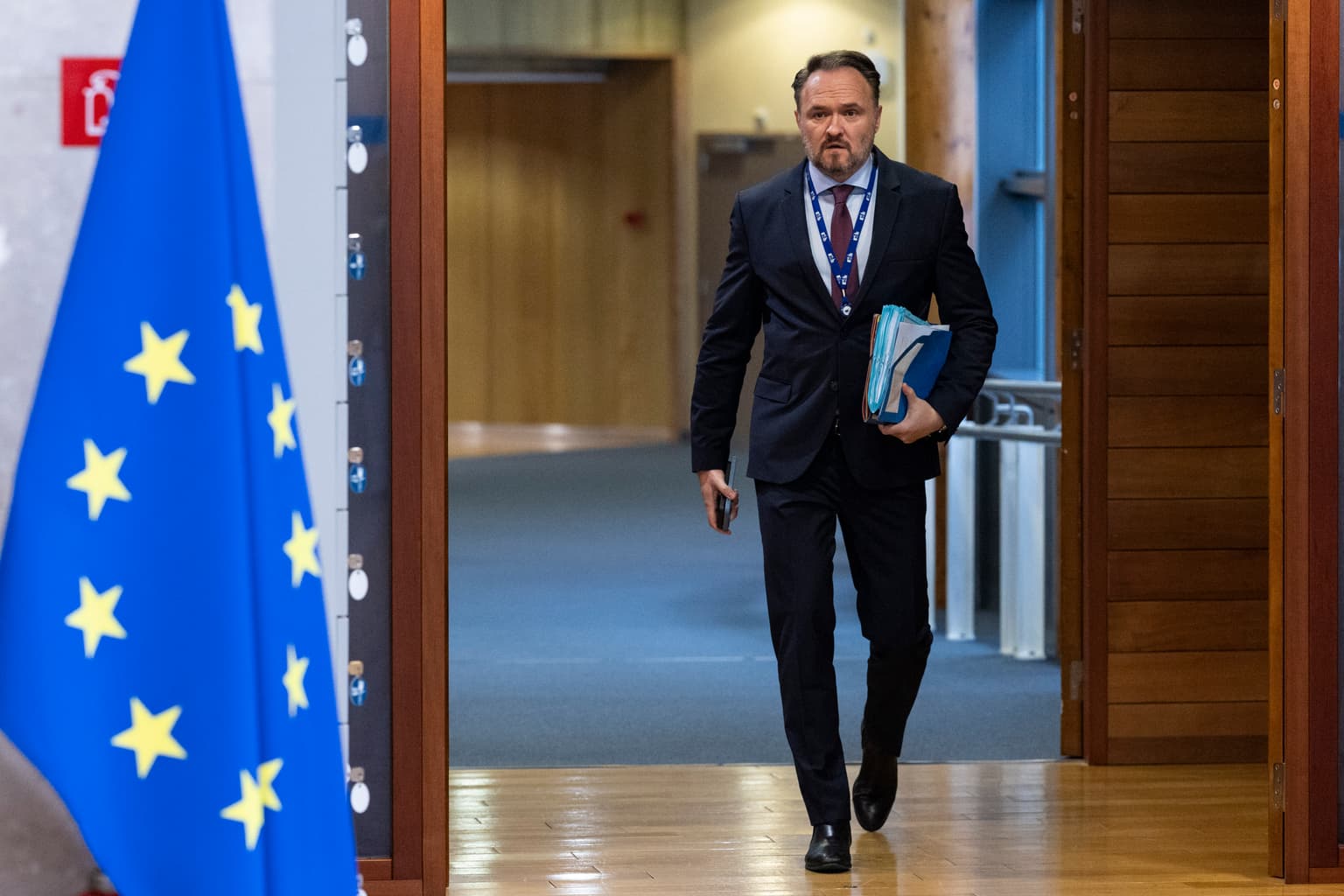
Dan Jørgensen, European Commissioner for Energy and Housing. Source: European Commission
Part of a broader package
The investment strategy is not an isolated step. It is part of a broader legislative package through which Brussels aims to respond to high energy prices, geopolitical risks and dependence on fossil fuel imports.
The package aims to strengthen the EU's energy independence, lower bills for households and businesses, boost investment in domestic clean energy solutions and provide better consumer protection. Alongside the investment strategy, it also includes the so-called Citizens Energy Package, focused on customer rights, and a strategy for small modular reactors (SMRs), which are intended to complement renewable energy sources.
The package builds on earlier initiatives, such as the Affordable Energy Action Plan and the Clean Industrial Deal, and confirms a shift in European policy towards greater involvement of private capital. Public funds are intended primarily to serve as guarantees and risk-reduction tools, rather than as the main source of financing.
Modernising grids and developing new technologies
The European Union plans to improve financing for the energy transition through a combination of capital market support, bank lending and public investment. A key issue is financing transmission grids, which are essential for further renewable energy development. The European Investment Bank is to provide more than 75 billion euros over the next three years, and a new strategic infrastructure fund is also planned to provide capital to electricity grid operators.
The Commission is also proposing tools such as securitisation of future revenues to raise immediate liquidity, and greater involvement of banks in lending to smaller players. At the same time, the EU wants to use public funds strategically to reduce risks associated with innovative clean technologies and energy savings, including support for research into new solutions and pilot programmes in energy efficiency. This approach is to be complemented by the creation of an energy transition investment council, which will strengthen dialogue with investors and align public policies with their needs in order to support long-term private investment.
Further measures are intended to make it easier for banks to lend to smaller projects and support riskier innovations.
Money is not enough
According to analysts at the Institute for Energy Economics and Financial Analysis, however, the Commission is underestimating a key problem: the barriers holding up project delivery.
Although the strategy emphasises better planning, access to financing and support for innovation, it often overestimates how quickly greater transparency and financial tools alone can lead to projects being delivered. In reality, projects face deeper problems, including lengthy permitting processes, regulatory uncertainty, fragmentation among member states, labour shortages and supply chain constraints. The strategy also relies too heavily on private capital's ability to fill the investment gap, without offering sufficiently robust public guarantees or clear risk-sharing mechanisms.
Another problem is excessive optimism about the development of some emerging technologies that are not yet ready for large-scale deployment, and insufficient consideration of actual demand for them. Financial innovation and dialogue with investors can help, but they cannot replace the necessary structural reforms and a stable regulatory environment. Overall, the strategy seems unbalanced: it correctly identifies the scale of the challenge but underestimates the practical obstacles to addressing it. Its success will therefore depend above all on whether the EU can remove these barriers and significantly accelerate the actual deployment of key energy solutions.
Some in industry also see the strategy's sectoral focus as a weakness. The document focuses primarily on electricity and nuclear technologies, while hydrogen infrastructure is left out. Experts say these projects cannot proceed without specific guarantees and risk-reduction tools.
The new strategy thus confirms the EU's ambition to mobilise an unprecedented volume of investment in energy. The decisive factor will be whether it can remove the main barriers and create a stable environment for investors.
Translation disclaimer
This article is a machine translation of the Czech original and has not yet been fully reviewed. In case of any doubt, please refer to the Czech version.
Sdílejte článek prostřednictvím:
You might also like

10 October 2026, 07:02

9 October 2026, 13:47