6 November 2026, 14:13
Loading...
European Commission wants coordinated withdrawal from Energy Charter Treaty

Zuzana Vrbová
13 July 2023, 06:43
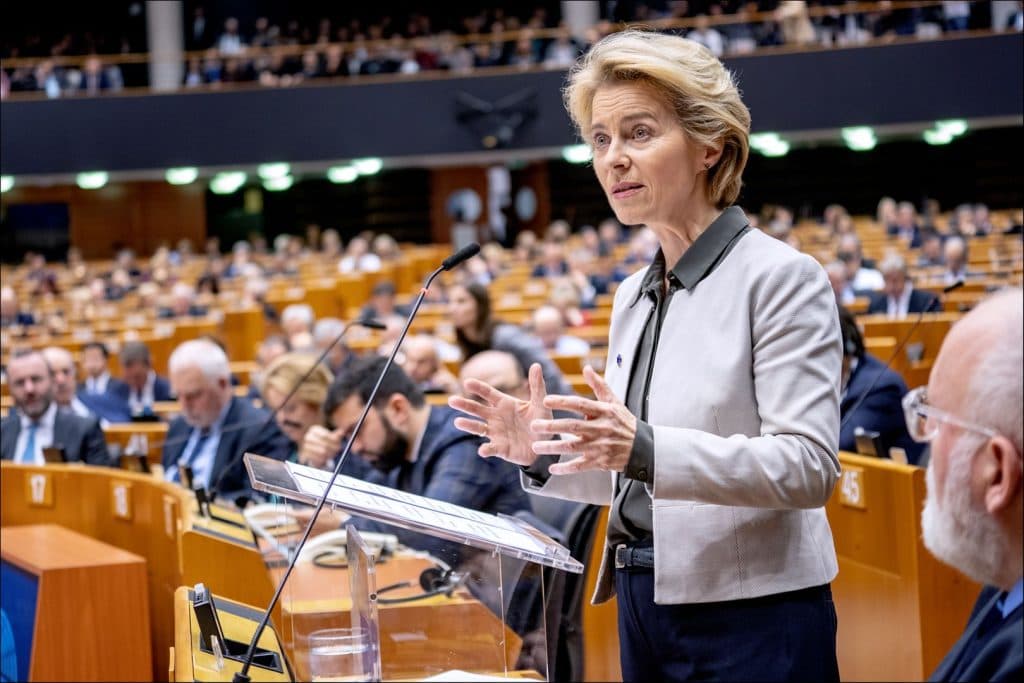
The European Commission will seek to ensure that the EU, its member states and the Euratom association withdraw from the Energy Charter Treaty in a coordinated manner. According to Commission officials, the treaty is no longer compatible with the EU’s ambitious climate goals.
As the European Commission reported on its website, the Energy Charter Treaty has remained largely unchanged since it was agreed in the 1990s and therefore does not reflect current realities. Specifically, the treaty, which brings together EU and non-EU countries in the energy sector, is no longer compatible with the EU’s increased climate ambitions under the European Green Deal and the Paris Agreement.
The Commission is therefore proposing that the EU, its member states and Euratom withdraw from the 1998 treaty in a coordinated and orderly manner, ensuring equal treatment for investors across the EU and beyond. The treaty has long been criticised for obstructing efforts to combat climate change, as its energy investment protection provisions also apply to fossil fuels. The agreement thus allows energy companies to sue governments over policies that harm their investments. In recent years, these provisions have been used in practice to challenge measures requiring the closure of fossil-fuel power plants. The Commission will also withdraw its previous proposal to ratify the modernised treaty, which failed to secure the necessary majority among member states.
According to Reuters, not all member states supported the withdrawal proposal. Countries including Cyprus, Hungary and Slovakia said they would prefer to remain in the updated version of the agreement (although the changes have not yet entered into force). Sources familiar with the discussions said Brussels had considered a partial withdrawal that would allow some countries to remain in the treaty. In the end, however, a full withdrawal was decided upon. The legal proposals will now be submitted to the Council of the EU, where a qualified majority is required for their approval.
There are currently 56 signatories and contracting parties to the Energy Charter Treaty, including the European Union and Euratom. The treaty was signed in 1994 and entered into force in April 1998. Its aim was to promote energy security through the operation of more open and competitive energy markets. The Energy Charter Conference, an intergovernmental organisation that meets regularly to discuss issues related to cooperation in the energy sector, was also established. In Europe, the Energy Charter played a significant role in developing the energy sector, particularly in the Balkan countries.
Translation disclaimer
This article is a machine translation of the Czech original and has not yet been fully reviewed. In case of any doubt, please refer to the Czech version.
Sdílejte článek prostřednictvím:
You might also like

6 November 2026, 10:25