
23 October 2026, 11:01
Loading...
European commissioner: EU must rid itself of all Russian energy, including oil and nuclear fuel

oEnergetice.cz, ČTK
16 December 2025, 11:26
Strasbourg/Brussels, 16 December (CTK correspondent) - The European Union must rid itself of all Russian energy, European Commissioner for Energy Dan Jørgensen told MEPs in Strasbourg today. In this connection, the European Commission will propose next year to end imports of Russian oil and nuclear fuel. The commissioner spoke during a debate in the European Parliament on the decision to gradually phase out imports of gas from Russia. MEPs are due to give the plan, opposed by Budapest and Bratislava, final approval in a vote on Wednesday.
Jørgensen described the decision to ban imports of Russian gas into Europe as historic. He stressed that money paid for gas would no longer go to Russian President Vladimir Putin, who would therefore be unable to use it to finance the war in Ukraine. "We are also showing that we stand together, that we cannot be divided and that we cannot be blackmailed," the commissioner added. He thanked MEPs for their approach and praised the fact that, following the so-called trilogue negotiations between the European Commission, the Council of the EU and the European Parliament, the outcome was even better than the original proposal he had put forward.
"Next year, the Commission will present a proposal to end imports of Russian oil, which is also very important, and we will also present a proposal to put an end to imports of nuclear fuel," the commissioner said.
"Of course, we must look at what this would mean economically, but we really must rid ourselves of all Russian energy," he added.
Negotiators from the European Parliament and EU member states agreed to gradually phase out imports of gas from Russia by autumn 2027. The European Union aims to do so in an effort to deprive the Kremlin of revenue it uses to finance the war in Ukraine. It also wants EU member states to become independent of energy imports from Russia and less vulnerable to blackmail. The new rules supplement existing sanctions by restricting gas imports.

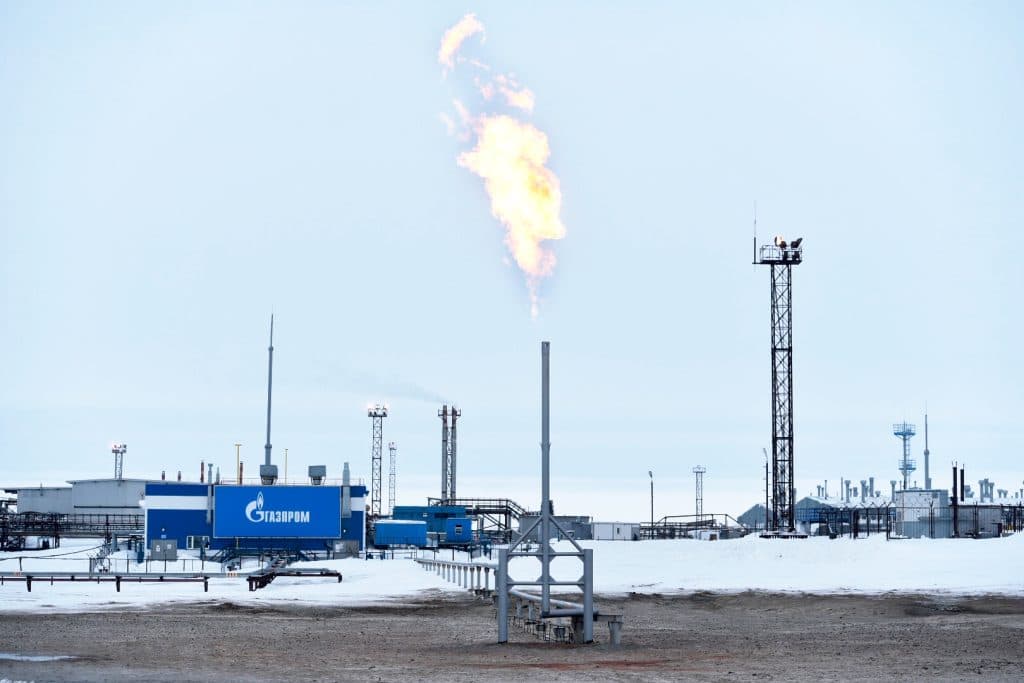
Amur processing plant, Gazprom
The regulation introduces a gradual, legally binding ban on imports of both liquefied natural gas (LNG) and pipeline gas from Russia. A full ban on LNG imports will take effect on 1 January 2027, and a ban on pipeline gas imports no later than 1 November 2027.
Hungary and Slovakia, which still import Russian gas and oil, opposed the new regulation. However, at a meeting of EU energy ministers at the end of October, their representatives were outvoted by the other countries; only a qualified majority was needed for approval. A few days ago, Hungarian Foreign Minister Péter Szijjártó said that Budapest and Bratislava would challenge the ban on imports of Russian gas in court.
Translation disclaimer
This article is a machine translation of the Czech original and has not yet been fully reviewed. In case of any doubt, please refer to the Czech version.
Sdílejte článek prostřednictvím:
You might also like


23 October 2026, 06:34

