European Parliament pushes to end Russian gas. New resolution changes market expectations

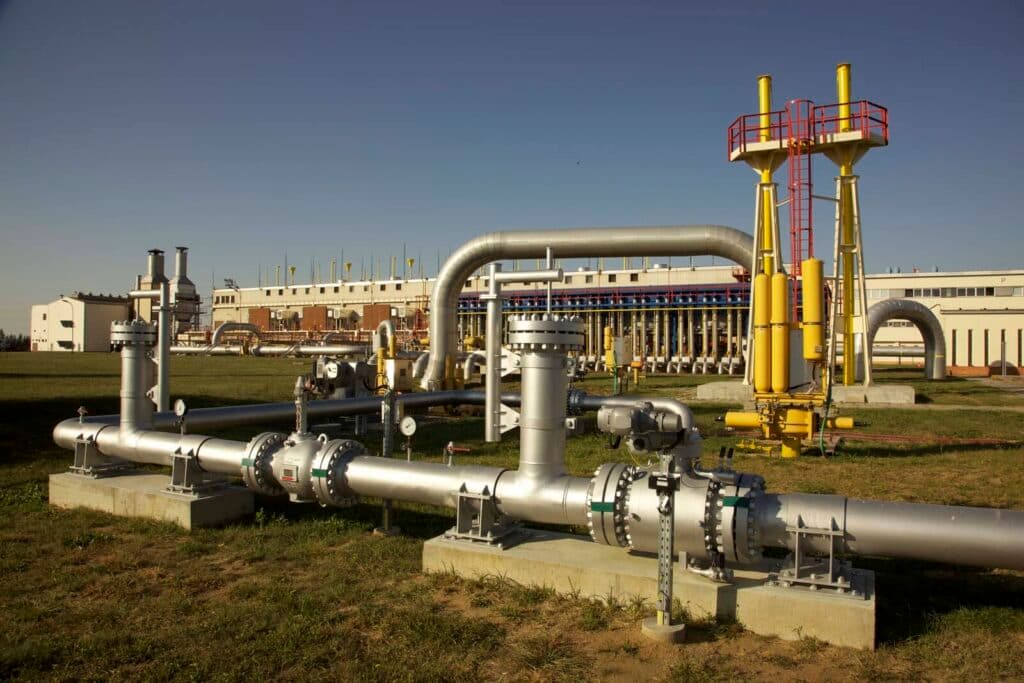
The European Parliament approved a resolution calling for a gradual end to imports of Russian natural gas into the European Union by 2027. Although the document has no direct legal effect, it sends a strong political and economic signal. This could affect energy commodity prices, investment and relations between member states—especially in Central Europe, where the impact of changes in the natural gas market has traditionally been more keenly felt.
The resolution is part of a trend that accelerated sharply after Russia’s invasion of Ukraine. While around 40% of the gas imported into the EU came from Russia in 2021, that figure had fallen to less than 15% by 2024, according to European Commission data. The European Union has therefore been effectively disconnecting from Russian gas for several years, and the latest vote politically confirms this direction.
The document itself does not introduce a ban—member states in the Council of the EU will decide on any binding measures. Analysts nevertheless say it is not an empty gesture. Economists at the Brussels-based think tank Bruegel have long warned that even politically non-binding decisions can significantly change market and investor expectations, particularly when it comes to long-term contracts and infrastructure investment.
LNG strengthens security but changes the market’s pricing dynamics
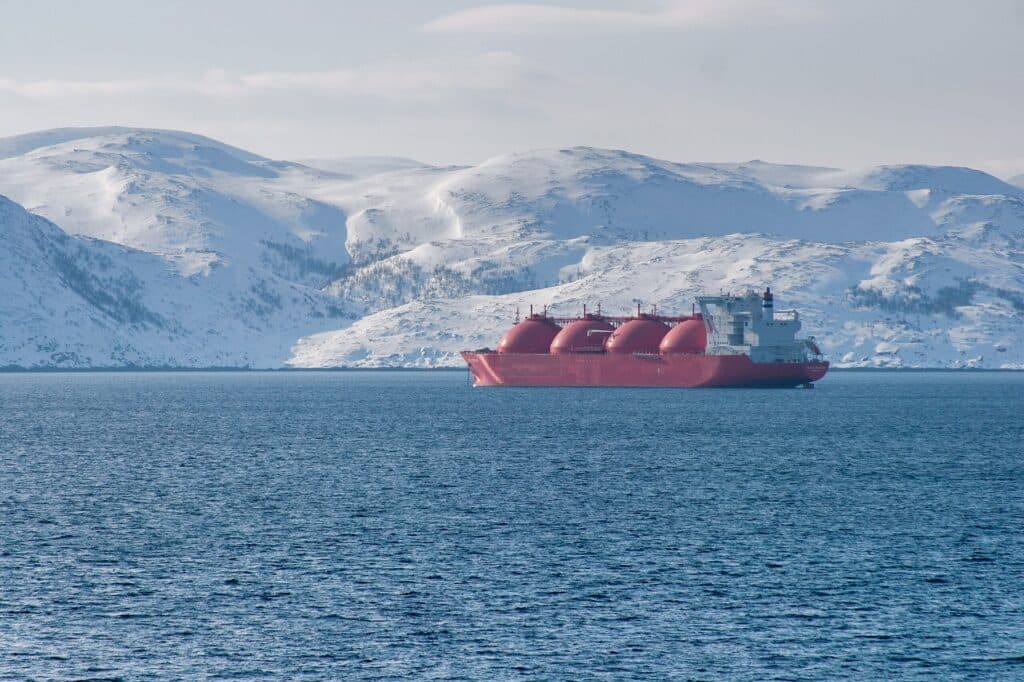
One of the main structural consequences of this development is the growing role of liquefied natural gas (LNG). While LNG accounted for around 20% of EU gas imports in 2021, its share reached 37% in 2024. LNG played a key role in stabilising supplies after Russian pipeline flows were curtailed, but it has also transformed how the European market operates.
According to the International Energy Agency (IEA), Europe has increased its security of supply, but has also become more exposed to fluctuations in the global market, where prices are affected by factors such as demand in Asia and geopolitical tensions in the Middle East. The fact that LNG offers flexibility but also greater price volatility than long-term pipeline contracts is highlighted not only by the IEA in its regular analyses. This structural change is particularly significant for European industry and energy-intensive businesses, which will need to operate in a less predictable environment in the years ahead.
The impact of the resolution may also vary significantly from one country to another. While Western European countries have direct access to LNG terminals and diversified routes, parts of Central Europe—especially Slovakia and Hungary—have warned of the risk of a weaker negotiating position. During negotiations, these countries have already indicated that they will seek transition periods or compensation, for example in the form of infrastructure support.
What this means for Czechia
As recently as 2021, the Czech Republic was among the countries most dependent on Russian gas, with up to 97% of its imports coming from Russia. In 2024–2025, however, this dependence is virtually zero, and gas reaches Czechia mainly via Western European markets.
Annual gas consumption has long stood at around 7 to 8 billion cubic metres, a decline of more than a quarter compared with 2021, mainly as a result of energy savings in industry and households. Czech gas infrastructure includes storage facilities with a capacity of approximately 3.5 billion cubic metres, enough to cover around 40 to 45% of annual consumption.
The key factor, however, remains the link between prices and foreign markets. As the Czech Energy Regulatory Office has repeatedly pointed out, gas and electricity prices in Czechia are driven primarily by developments in Western European markets, especially Germany. Any tensions in these markets or an increase in demand for LNG in Germany could therefore indirectly affect the prices paid by Czech consumers.
The future of natural gas in the EU
A less visible but significant long-term impact concerns investment. The political signal that the EU is moving towards a complete end to imports of Russian gas also reinforces the perception of natural gas as a fuel with limited prospects. According to the IEA, this increases uncertainty about the returns on new gas projects, influencing the decisions of investors and banks.
Bruegel takes a similar view, saying that mainstream investors are beginning to see gas more as a technology with a limited period of use than as a stable transitional solution for several decades. This is reflected in higher return requirements, shorter payback periods or the refusal to finance certain projects.
Natural gas still plays a key role in Europe today in balancing output from renewable sources, especially during periods of low wind and solar generation in the winter months. If investment in gas-fired power plants slows before alternatives are available on a sufficient scale, this could increase pressure on grid stability and electricity prices.
Overall, the European Parliament’s resolution does not bring immediate changes to gas supplies, but it establishes a new framework for decision-making by countries, companies and investors. The extent of its actual impact will only become clear after further negotiations at EU level—and will depend on the ability to reconcile political goals with the technical and economic realities of individual regions.
Translation disclaimer
This article is a machine translation of the Czech original and has not yet been fully reviewed. In case of any doubt, please refer to the Czech version.