EU's energy future: dependence on the US and China
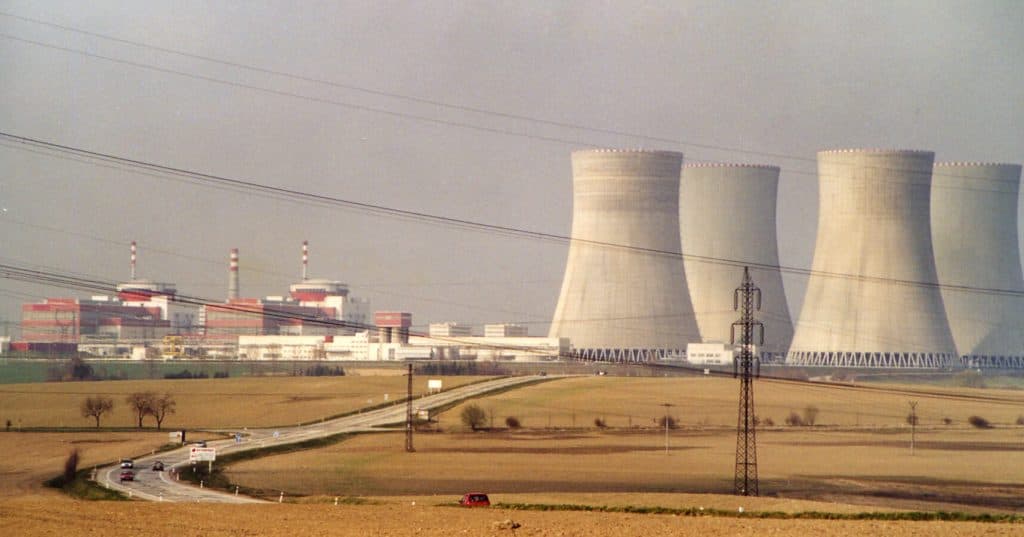
The European Union faces new geopolitical challenges. Although it managed to quickly reduce its dependence on Russian fossil fuels after Russia's invasion of Ukraine in 2022, its dependence on liquefied natural gas (LNG) from the US is growing, as is its reliance on Chinese renewable energy technologies. These dependencies could have a fundamental impact on the EU's energy security.
After imports of Russian gas were restricted, the US became the EU's main LNG supplier, currently accounting for more than 50 % of the Union's total natural gas imports. In July 2025, the EU concluded a deal with the US under which it pledged to purchase large volumes of American fossil fuels by 2028.
However, last year the total value of energy commodity exports from the US to the EU amounted to only a fraction of the volumes agreed. The EU imports significantly more energy commodities from the rest of the world overall, with only a small share coming from the US. To meet its commitment, the EU would have to significantly increase its purchases of US energy.
Analysts consider the deal difficult to implement because of insufficient US export capacity, limited infrastructure, technical obstacles and the absence of legal mechanisms to enforce purchases by private companies. The deal may be more of a political gesture than a commitment that can realistically be fulfilled.
Firm long-term contracts could tie Europe's hands in the future and limit the flexibility of its energy policy. Natural gas prices in the US could also rise sharply in the coming years as domestic demand grows, particularly given the astronomical energy needs of artificial intelligence.

Dependence on China for renewable energy
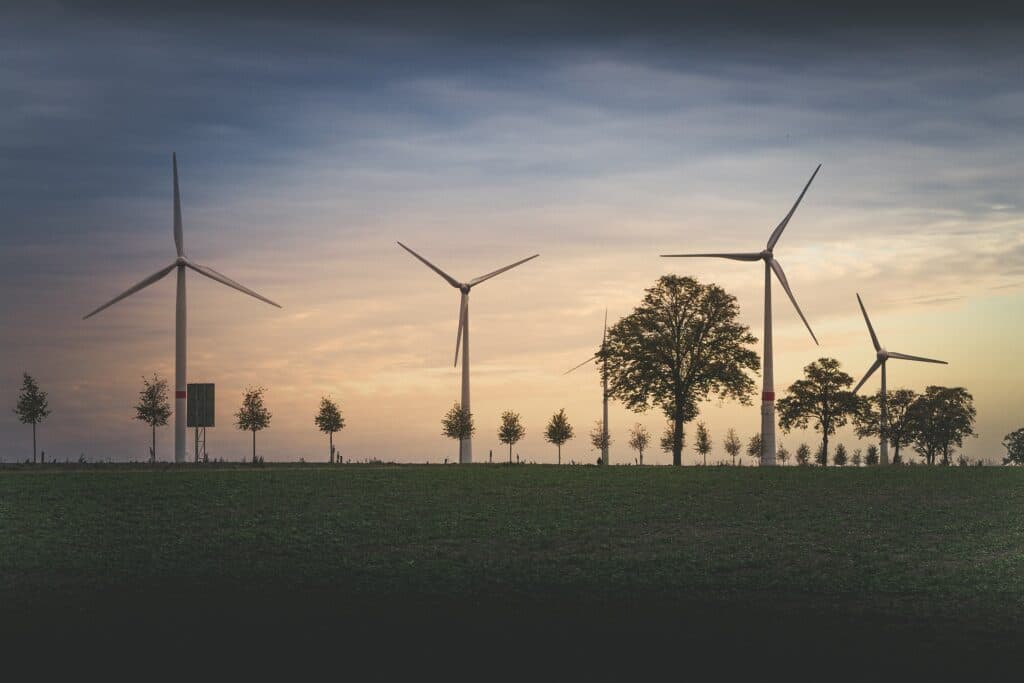
The EU is also seeking to reduce its dependence on fossil fuels, whose production in the bloc is declining. The bloc is therefore accelerating investment in renewable energy, nuclear power plants and battery systems . Renewables generated half of the EU's electricity last year and covered approximately 20 % of total energy consumption.
However, the rapid growth of renewable energy also brings risks of dependency, as Chinese technology dominates the supply chain. Solar power is Europe's fastest-growing renewable energy source, but it is almost entirely dependent on China, which supplies around 80 % of photovoltaic panels at extremely low prices.
Imports of technology from China have long held back the development of European manufacturing. Although the EU has strong manufacturing capacity in wind turbines and a growing battery industry, it remains vulnerable. China dominates the processing of key raw materials such as lithium, cobalt and nickel. Neither batteries nor modern wind turbines can do without these materials.
Energy self-sufficiency as a strategic challenge
The EU thus finds itself caught between fossil fuels from the US and renewables dependent on China, according to international news outlet Reuters. The EU therefore lacks fully sovereign control over its energy future. Diversifying suppliers and building domestic manufacturing capacity are strategic objectives, but achieving them could take years. There is also a risk of a possible return to fossil fuels if the clean transition proves too costly or unstable.
The EU's energy security will require a balanced and realistic approach combining import diversification, the development of domestic self-sufficiency and strategic investment in infrastructure. It is also necessary to critically assess new trade deals, such as commitments to the US, so that the EU does not once again become a hostage to geopolitics in the future.
Translation disclaimer
This article is a machine translation of the Czech original and has not yet been fully reviewed. In case of any doubt, please refer to the Czech version.