Germany wins the most EU strategic projects for critical raw materials. Czechia absent, Slovakia gets two

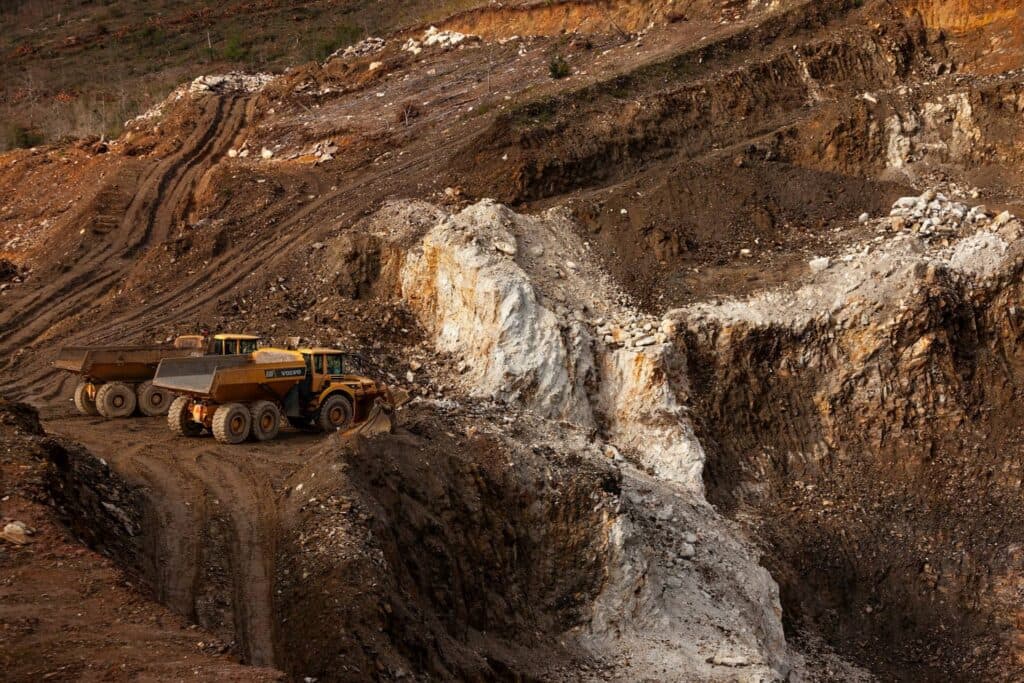
The European Commission has selected 46 new strategic projects to strengthen Europe’s critical raw materials supply chains. Germany secured eight projects, the most of any member state. They focus, among other things, on lithium mining, battery recycling and the recovery of rare earths. Czechia is not among the selected countries, while Slovakia secured two projects. Strategic status is intended to speed up permitting and facilitate access to financing, but does not guarantee automatic financial support.
Germany’s eight projects cover several parts of the supply chain, from raw material extraction and processing to recycling. Four focus on recycling, which, according to Germany’s Ministry for Economic Affairs, demonstrates the importance of the circular economy in securing supplies of critical raw materials.
The selected projects include Zinnwald Lithium in Saxony, which plans to mine and process lithium for the battery industry. Another is Neptune Energy’s ALE (Altmark Lithium Extraction) project, focused on lithium extraction in Saxony-Anhalt. One recycling project is cylib’s plant, which is due to process batteries and recover a range of materials from them, including lithium, cobalt, nickel and graphite. Other projects involve recycling copper and rare earths or processing titanium.
Critical raw materials are essential for manufacturing electric vehicle batteries, permanent magnets in wind turbines and power grids. The European Union remains heavily dependent on imports of some raw materials and on their processing in third countries, particularly China. Expanding domestic mining, processing capacity and recycling is intended to reduce this vulnerability.
Slovakia secures projects for gallium and aluminium
Slovakia secured two projects. The first, GaRefine, aims to develop gallium recycling and refining in Europe. Gallium is used, among other things, in semiconductors and other electronic components.
The second is a project by Slovalco focused on producing primary aluminium and diversifying its product portfolio. Both projects will strengthen European capacity in materials that are important for industry and technology supply chains. Unlike Slovakia, Czechia did not secure any projects in the second round.
Strategic status is intended to shorten permitting
The selection was made under the European Critical Raw Materials Act, which entered into force in 2024. The European Union has set targets for 2030 under which domestic mining should meet at least 10% of its annual consumption of strategic raw materials, processing should account for 40% and recycling for 25%. It also aims to limit dependence on any single supplier from a third country.
Projects with strategic status are to benefit from faster permitting. The time limit is 27 months for mining projects and 15 months for projects focused on processing and recycling. The status also facilitates the search for financing and connections between investors and financial institutions, but does not in itself mean that funding will be allocated from the EU budget.
In the second round, the Commission selected projects from 171 applications. The 46 new projects add to the first list of 47 EU projects approved in March 2025. The European Commission is thus continuing to expand the portfolio of strategic investments aimed at building a more resilient European critical raw materials supply chain.
Translation disclaimer
This article is a machine translation of the Czech original and has not yet been fully reviewed. In case of any doubt, please refer to the Czech version.



