
28 October 2026, 15:10
Loading...
NATO steps up surveillance of Europe's offshore energy infrastructure amid fears of possible attacks
Daniel Grecman
18 May 2024, 12:58
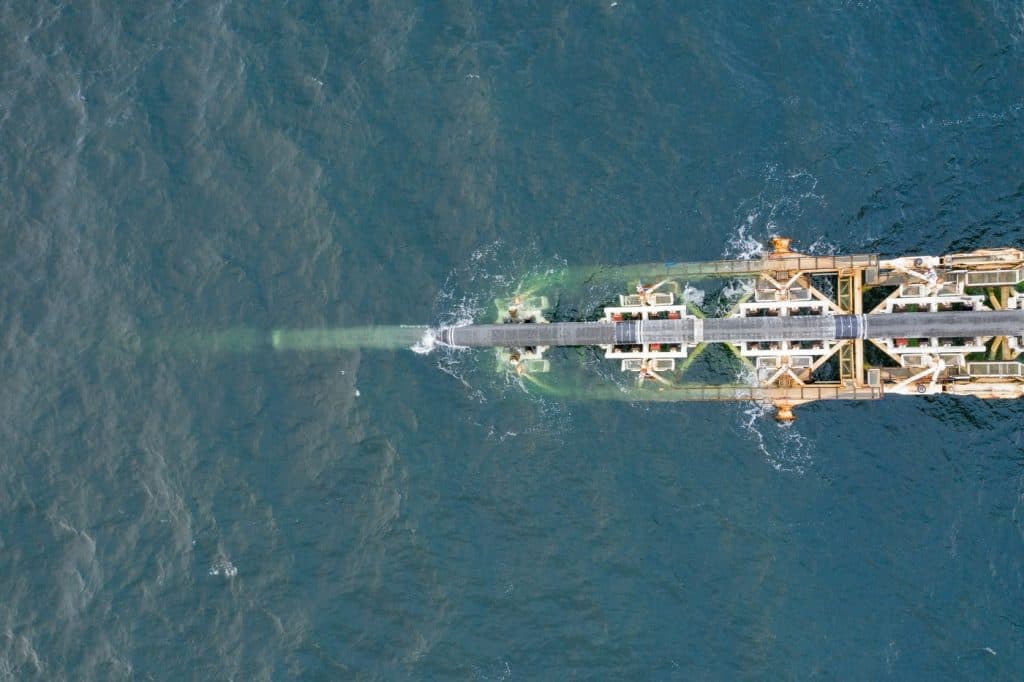
Russian pipeline gas accounted for more than 40% of total EU gas imports in 2021. Last year, this share fell to approximately 8%, although combined with LNG supplies, Russia's share of total gas imports was just under 15%. Supplies from other providers therefore had to increase – imports of liquefied natural gas (LNG) rose sharply, as did pipeline supplies from Norway. Norway became the EU's largest gas supplier, also raising concerns about possible Russian attacks on subsea infrastructure, as a source from the alliance told energy news outlet Montel.
During the energy crisis, the EU began relying more heavily on pipeline gas supplies from Norway. These are expected to remain stable for an extended period, at least for the next several years. Thanks to pipeline supplies from Norway, the EU, and Europe as a whole, is less dependent on LNG supplies. LNG supplies are more exposed to current market conditions in terms of price, and are therefore more volatile.
In terms of physical flows, however, import capacity must also be monitored, not just on an annual basis. When the energy crisis erupted, LNG import terminals would not have been able to meet EU demand. NATO therefore stepped up surveillance of critical offshore energy infrastructure last year.
"Infrastructure is largely unprotected, and there are concerns that Russia could target undersea cables and other critical infrastructure to paralyse societies and economies," said a source from the alliance. "Russian drones and missiles regularly target civilian infrastructure in Ukraine, highlighting the importance of stepping up surveillance of both land-based and undersea energy infrastructure, which could affect national and collective defence."
It is worth recalling that the Nord Stream pipeline was damaged in 2022, and the Balticconnector pipeline was damaged last year.
"NATO has made the security and protection of critical infrastructure a high priority. However, there are thousands of kilometres of pipelines, and it cannot monitor every metre of infrastructure. We have nevertheless stepped up our surveillance and military presence in the area, and more military exercises are also taking place," NATO Secretary General Jens Stoltenberg said at the beginning of last year."Although undersea cables [as well as other infrastructure such as pipelines] are the building blocks of economies and societies, they are vulnerable to sabotage and even accidental damage," said a source from the alliance, with the latter possibly occurring last year in the aforementioned damage to the Balticconnector.
Translation disclaimer
This article is a machine translation of the Czech original and has not yet been fully reviewed. In case of any doubt, please refer to the Czech version.
Sdílejte článek prostřednictvím:
You might also like

28 October 2026, 13:08

28 October 2026, 11:10

28 October 2026, 09:08
