23 October 2026, 14:38
Loading...
State of the EU address: What von der Leyen said about European energy

Jakub Malý
14 September 2025, 09:36
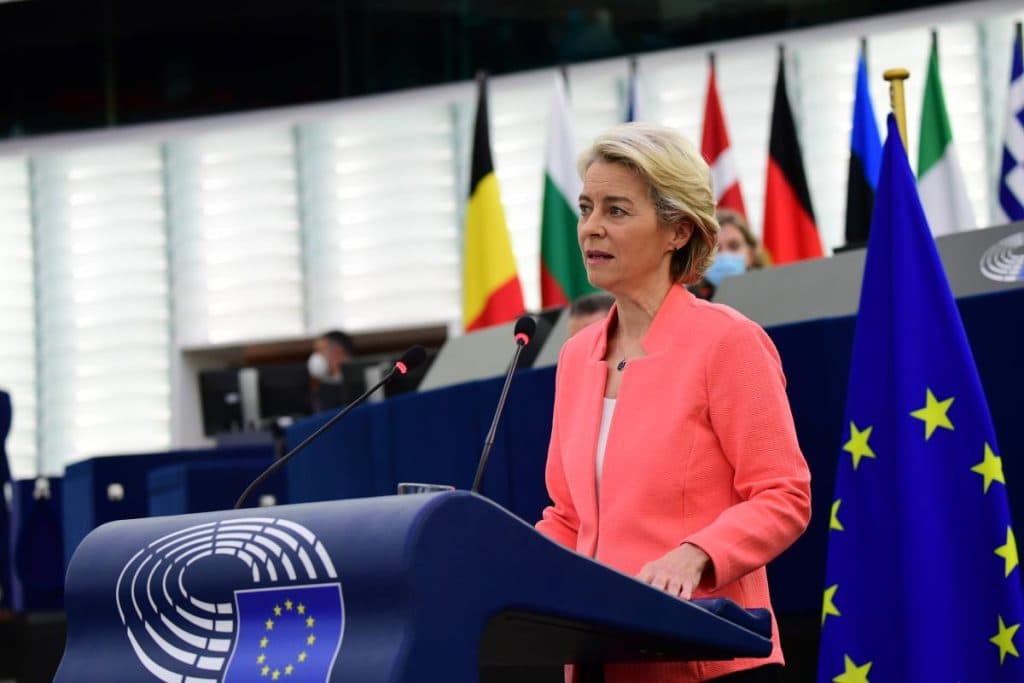
In her traditional State of the European Union address (10 September 2025), Ursula von der Leyen emphasised the energy nexus of “security – competitiveness – decarbonisation”. In practice, this means fresh impetus to remove bottlenecks in the transmission grid (Energy Highways), make full use of electricity market reform and expand European Hydrogen Bank (EHB) hydrogen auctions, while the Commission is also pushing for a definitive end to dependence on Russian energy.
The most visible new energy measure is the “Energy Highways” initiative, which aims to remove eight critical bottlenecks in EU transmission networks. Priorities include strengthening the connection between the Iberian Peninsula and France, integrating Cyprus into the continental grid, more robust Baltic and Balkan links, and the development of offshore interconnectors in the North Sea.
At the same time, the main hydrogen corridors are to take shape in parallel. The Commission is thus building on preparations for the European Grids Package by the end of 2025 and on June’s guidance on grid tariffs and planning. The aim is twofold: to lower electricity prices through better market integration and increase grid resilience following this year’s blackout incidents.
On electricity, von der Leyen explicitly noted that around 70 % of European generation now comes from low-carbon sources, namely nuclear power and renewable energy. For new zero-emission sources, the path is to be opened more widely through contracts for difference (CfDs) and support for the development of long-term power purchase agreements (PPAs) for industry and municipalities. The result should be lower price volatility and greater investment certainty.
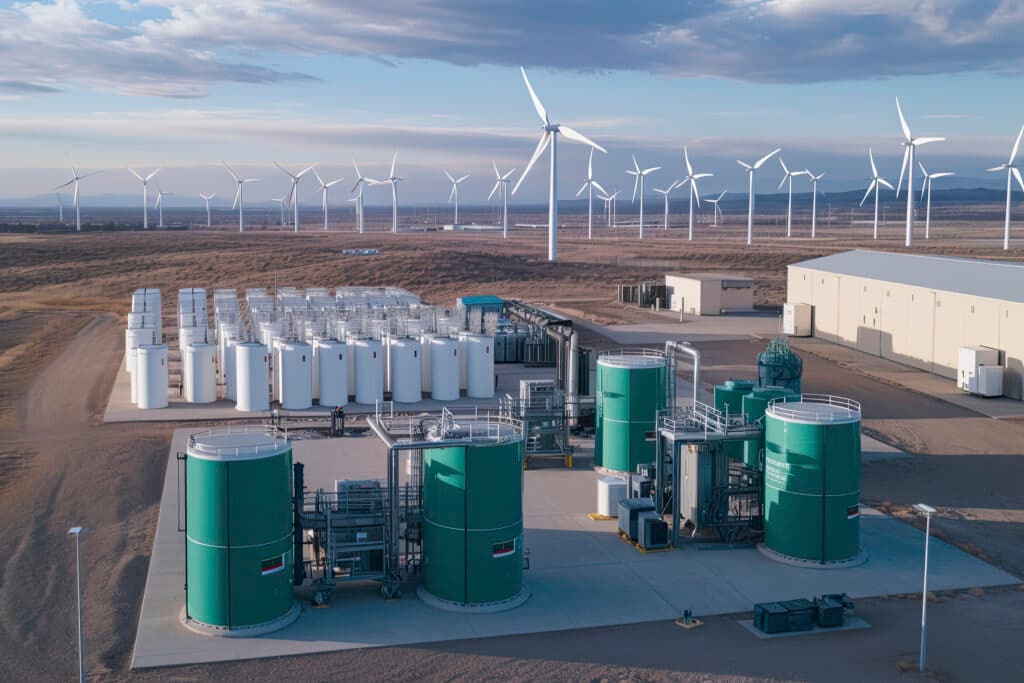
The address also calls for stronger investment, building for instance on the acceleration of hydrogen auctions under the European Hydrogen Bank. In the second round this year, 15 projects succeeded in securing EUR 992 million in support, which should reduce the risk of the first larger investments in RFNBO hydrogen. Combined with long-term PPAs for hydrogen offtake, this should strengthen investment certainty and secure demand in industry. In practice, however, the decisive factor will be whether the pace of permitting and project construction can genuinely match the need for offtake in industry and other sectors, so that the two coincide in time.
The security dimension of the address calls for further strengthening the EU’s energy independence, which will also enhance its security. This effort builds on the May REPowerEU Roadmap, which sets out the complete end of imports of Russian energy. The Commission has proposed banning new contracts for Russian gas (including LNG), to be followed by the gradual phase-out of remaining Russian gas supplies by 2027, accompanied by trade measures on oil and restrictions on nuclear materials.
Translation disclaimer
This article is a machine translation of the Czech original and has not yet been fully reviewed. In case of any doubt, please refer to the Czech version.
Sdílejte článek prostřednictvím:
You might also like
23 October 2026, 11:01
23 October 2026, 06:34