23 October 2026, 14:38
Loading...
Brussels under pressure: US and Qatar warn EU of methane rules' impact on gas supplies
Adam Sosna
24 June 2026, 12:54
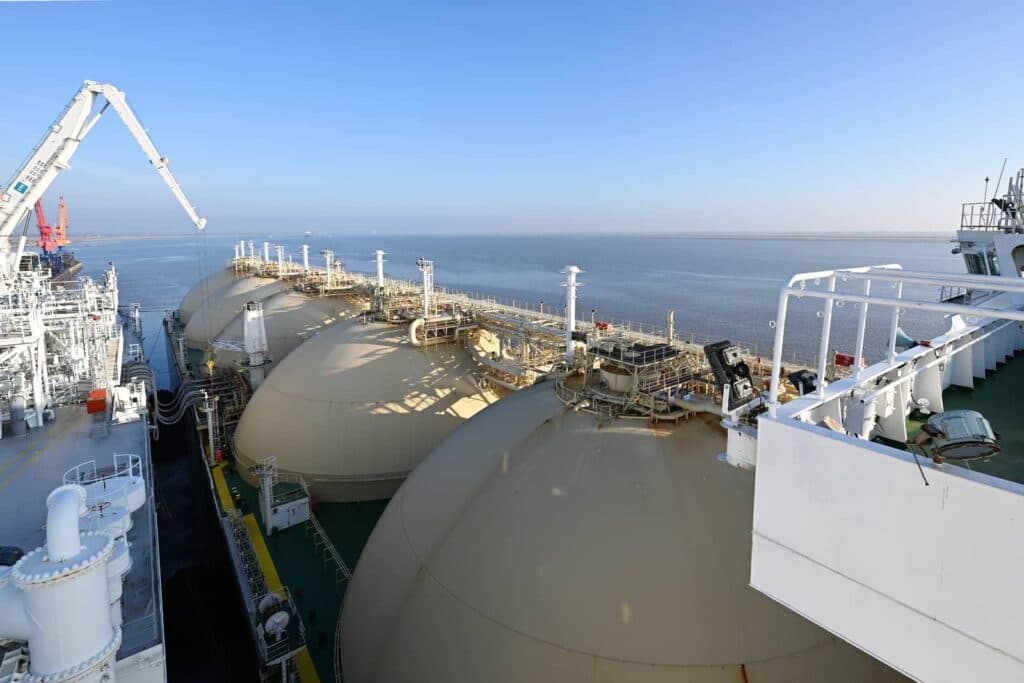
The Trump administration, together with Qatar, has warned the European Union of problems with LNG supplies unless it eases the rules under the methane emissions regulation. The two major exporters did so ahead of Friday's meeting of the Energy Council, in a letter addressed to the President of the European Commission and the President of the European Council. Two other major exporters, Algeria and Nigeria, also added their signatures to the appeal. Suppliers are warning Europe of a significant rise in LNG prices unless the rules are relaxed.
At the heart of the ongoing debate between LNG importers and EU leaders is the methane emissions regulation, in force since 4 August 2024. It requires foreign fossil fuel suppliers to measure, report and verify (MRV) methane emissions. Since May 2025, importers have been required to provide emissions data, while from 2027 the rules will become binding for new contracts. For older contracts, efforts to comply with European standards will need to be demonstrated. Further requirements will be introduced gradually: reporting of methane intensity in 2028 and mandatory compliance with emissions limits from 2030.
However, how strict the rules will be for LNG suppliers to Europe will depend primarily on how they are implemented, which has long been the subject of the outlined and escalating debate. As a key exporter, the United States has been pushing for exemptions or a more lenient final form of the legislation for some time. It already called for greater flexibility in the implementing legislation last year, arguing that it would not be technically possible to accurately track emissions throughout the supply chain, partly because every LNG cargo flowing to Europe may contain a blend of gas from different fields.
US escalates pressure on EU
The United States is now escalating pressure on the EU through a warning letter as part of its diplomatic efforts. The letter was written by US Energy Secretary Chris Wright and Qatari Minister Saad al-Kaabi. According to the Financial Times, they warn EU leaders of the short window remaining for the bloc to make changes, namely to ease the rules. In their view, the requirements will not be technically feasible under LNG supply contracts in 2027, which would have negative consequences for Europe.
"As legal compliance remains paramount, both exporters and importers are unwilling to enter into contractual relationships that they knowingly understand to be in violation of EU law. Significant impacts on both supply and prices are therefore certain," the warning letter states.
US Ambassador to the EU Andrew Puzder also joined the escalating US effort to persuade Europe to relax the rules for LNG exporters two months ago, when he openly warned of an energy crisis that, in his view, implementation of the regulation would cause.
Czechia seeks postponement of regulation. Experts play down fears
The European Commission has already indicated that it will ease the rules by issuing guidance to member states not to penalise suppliers until 2030. Some member states are asking Brussels for even more. According to the Financial Times, Czechia and Slovakia are asking the Commission to postpone the rules by “at least three years”.
However, the debate over the regulation's impacts has also seen voices questioning whether it will cause significant problems with the volume or prices of LNG supplies. According to current models by consultancy Rystad Energy, the volume of supplies on the global market that already meet the regulation's requirements is three times higher than the current level of EU imports. The company also says there is no evidence that the legislation is raising prices, which are higher mainly because of the situation in the Middle East.
In the coming weeks and months, it will be interesting to see how the European Union responds to the demands of key suppliers and some member states. After nearly two years of dispute, it will become clear whether Brussels maintains its emphasis on strict enforcement of the methane rules or, in the interest of stable supplies and preserving relations with major suppliers, opts for exemptions, postponements or less stringent reporting and compliance demonstration requirements.
Translation disclaimer
This article is a machine translation of the Czech original and has not yet been fully reviewed. In case of any doubt, please refer to the Czech version.
Sdílejte článek prostřednictvím:
You might also like
23 October 2026, 11:01
23 October 2026, 06:34