EU not interested in extending Russian gas transit contract through Ukraine

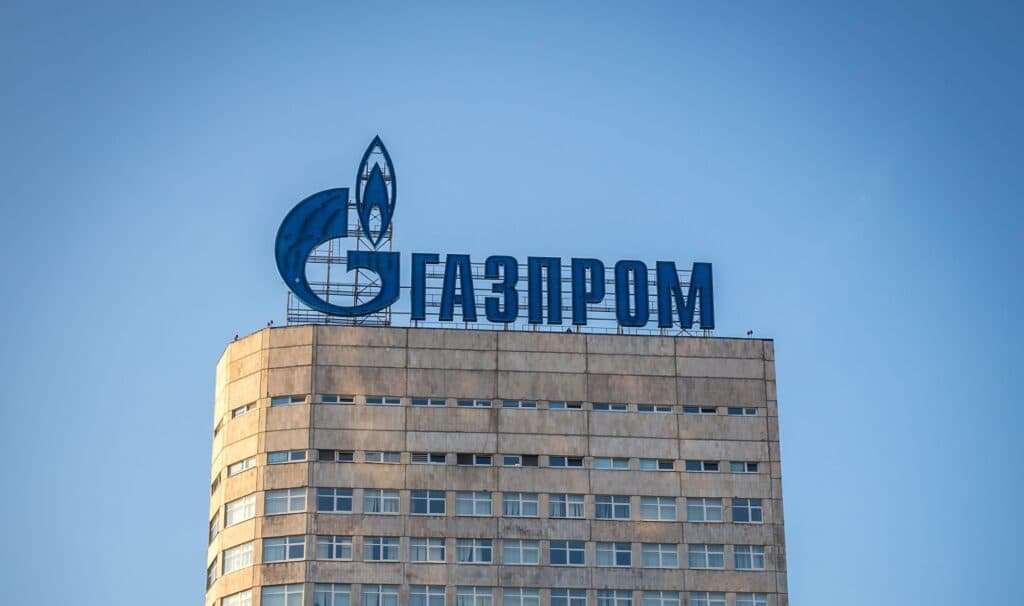
The European Union is not interested in extending the contract for the transit of Russian natural gas through Ukraine to Europe. EU Energy Commissioner Kadri Simson said today that the bloc does not need such an extension. The current contract expires at the end of this year. Ukraine denied reports in January that it was ready to negotiate an extension.
„We are not interested in extending the trilateral gas transit contract with Russia, which expires at the end of this year,“ the European commissioner said at a meeting of a European Parliament committee, according to Reuters.
Slovak Prime Minister Robert Fico said in January, after meeting with his Ukrainian counterpart Denys Shmyhal, that gas transit through Ukraine to Europe could continue. He later repeated that the issue had been discussed and hinted at a possible way forward to secure the transit of Russian gas through Ukraine. Kyiv promptly denied this.
„The Ukrainian side’s position is clear: the transit contract will expire at the end of this year,“ Shmyhal’s press office told Bloomberg at the time.
„We will not negotiate with the Russians and we will not extend the contract,“ it added.
Under the current contract, Russia continues to supply gas to the European Union. According to analysts at consultancy Energy Aspects, even without an extension, Russian gas company Gazprom could supply gas to interested EU buyers through short-term bookings of transit capacity in Ukraine.
Russian presidential spokesman Dmitry Peskov said at the end of January that if Ukraine did not extend the contract for the transit of natural gas from Russia, Russia would use alternative routes and seaborne deliveries of liquefied natural gas (LNG) to export gas to Europe.
The European Union has imposed extensive economic sanctions on Russia in response to its attack on Ukraine. Although the EU has not banned imports of Russian gas, it is seeking to end its dependence on energy supplies from Russia. The EU is offsetting the decline in Russian gas supplies, among other things, with LNG imports.
Last year, most of the gas flowing into the Czech Republic came through Germany, from Norway, and from LNG terminals on the North Sea coast—namely in Belgium, the Netherlands and Germany. Russian gas purchased on the Slovak or Austrian market also began flowing into the Czech Republic in October, eventually accounting for around seven percent of the country’s total annual consumption.
Translation disclaimer
This article is a machine translation of the Czech original and has not yet been fully reviewed. In case of any doubt, please refer to the Czech version.




