Almost 80 % of residential buildings in Germany are still heated with gas or heating oil

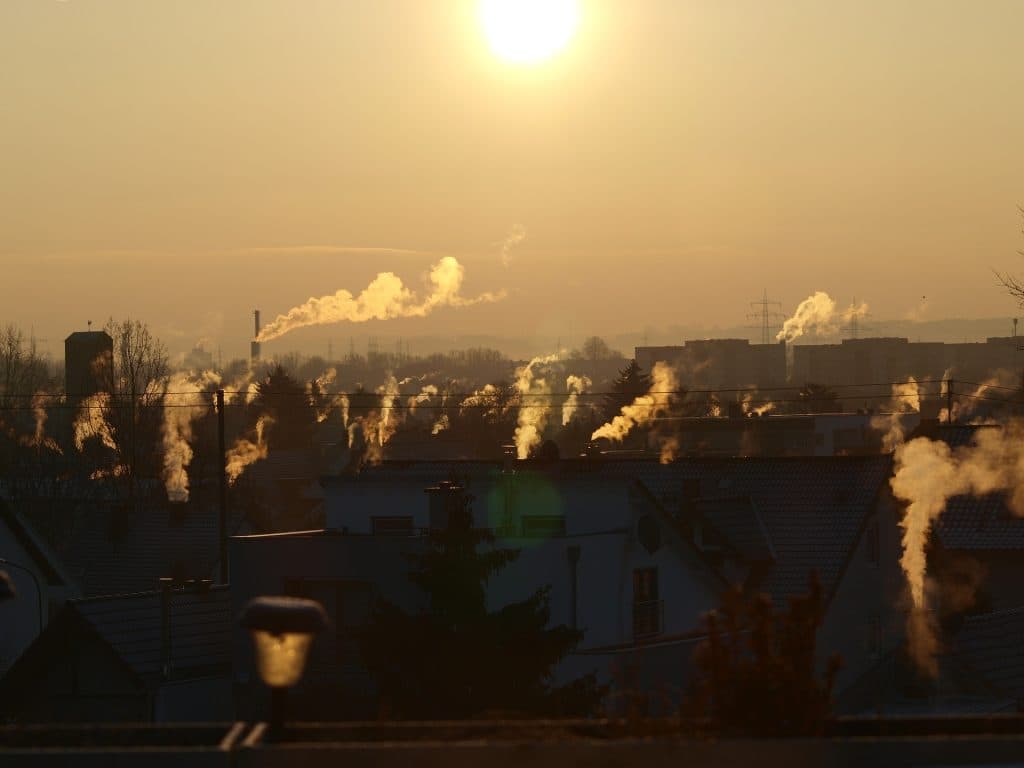
Climate-friendly heat generation systems are now the predominant sources in new residential buildings in Germany. In existing buildings, however, fossil fuels still dominate. Of nearly 20 million residential buildings, 79 % are still heated with natural gas or heating oil. This is according to a report by the German Energy Agency (dena).
While 2023 was a record year for sales of non-fossil heating systems in Germany, last year was considerably weaker. According to published data, sales of biomass heating systems fell by 74 % in the first half of the year alone, while heat pump sales declined by 54 %. Similarly significant declines are expected for the year as a whole.
According to dena, the continuing downward trend in heat consumption is a positive development, although it is largely linked to record-high temperatures in recent years and persistently high end-user prices for natural gas.
"The figures clearly show that we are still nowhere near meeting climate targets in the buildings sector. 79 % of nearly 20 million residential buildings are still heated with heating oil and natural gas. Renewable energy sources still play a very minor role," said Corinna Enders, Chair of dena's Management Board.
The international news outlet Clean Energy Wire noted that around 15 % of CO2 emissions in Germany come from heating buildings. To move closer to its goal of climate neutrality by 2045, the country will need to make considerable progress in decarbonizing this sector.
District heating is set to be one of the keys
Alongside individual climate-friendly heating options such as smaller biomass heating systems, heat pumps and solar collectors, one of the keys is expected to be the expansion and decarbonization of district heating. The German government has previously announced a target of connecting 100,000 buildings to district heating networks every year.
Investments in the expansion and decarbonization of district heating networks in Germany are therefore expected to be enormous. By 2030 alone, they are expected to amount to 43.5 billion euros, according to a report published last year by the analysis and consulting firm Prognos AG. Most of the funding (60 %) will be needed to expand heating networks, with the remainder going to heating plants using renewable energy sources and their connection to the networks.
According to information published by Germany's Ministry for Economic Affairs, around 14 % of German households were connected to district heating networks in 2022. Renewable energy sources accounted for about 20 % of the total heat supplied by these networks. Most heat is therefore still produced from fossil fuels, particularly gas and coal.
Translation disclaimer
This article is a machine translation of the Czech original and has not yet been fully reviewed. In case of any doubt, please refer to the Czech version.




