10 October 2026, 07:37
Loading...
Auctions for new gas-fired power plants in Germany: Government cuts plan to 8 GW
Veronika Jurcová
18 November 2025, 09:22
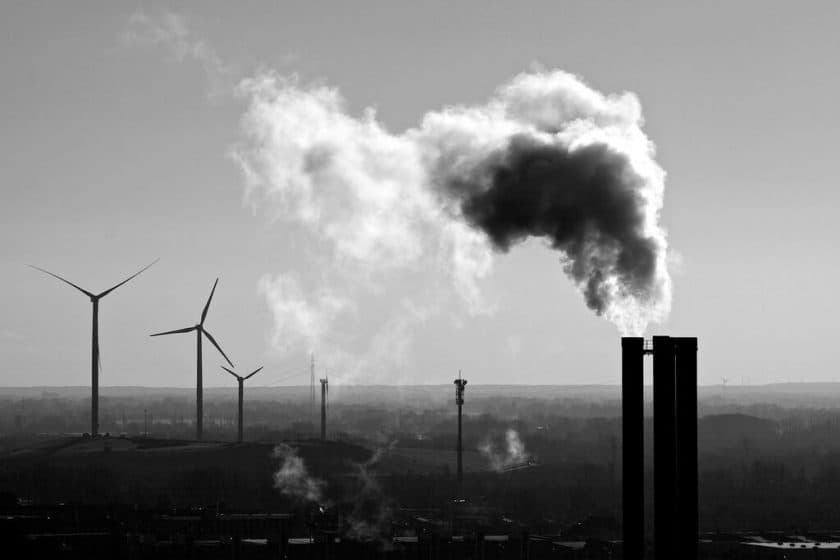
After lengthy talks with the European Commission, the German government has presented a significantly revised plan to build new gas-fired power plants. Next year, it wants to launch auctions for at least 10 GW of dispatchable capacity for periods when renewables cannot meet demand. Only 8 GW of this is to come from gas-fired power plants ready to run on hydrogen in the future. Compared with the original plan to build up to 20 GW by 2030, this represents a substantial cut, reports Montel News.
Merz’s office announced on Thursday, 13 November, that talks with the European Commission were nearing completion. The Commission is expected to approve the long-delayed state aid scheme shortly, a prerequisite for launching the auctions. These are intended to support the construction of at least 10 GW of new capacity.
The coalition parties had originally planned to build up to 20 GW of new power plants to ensure supply during periods of low renewable generation. The European Commission, however, has indicated that before approving the auctions, it will require Germany to introduce a capacity mechanism by 2028 at the latest.
Of the planned 10 GW of capacity, 8 GW will come from gas-fired power plants that must be technically capable of switching to hydrogen later on. The remaining capacity will also be open to other technologies, particularly battery storage and other forms of flexible technology. The aim is for the new power plants to be operational by 2031 or 2032.
“We want to ensure that Germany’s electricity needs are met even when neither wind nor sunshine is available,” Chancellor Friedrich Merz said at a press conference after a meeting of the coalition parties’ leaders.
The government says the planned dispatchable capacity will provide sufficient backup for so-called Dunkelflaute periods—long spells with little wind and sunshine, and therefore low output from solar and wind power plants. At the same time, it faces criticism for continuing to invest in fossil fuel infrastructure despite Germany’s goal of achieving climate neutrality by 2045.
Coal is on its way out, renewables are growing and the system needs backup
Germany’s energy sector is undergoing a major transformation. Following the shutdown of its nuclear power plants and with coal scheduled to be phased out by 2038 at the latest, the country is rapidly becoming dependent on the weather. Renewables are expected to account for 80% of electricity consumption by 2030. But the grid cannot be balanced and larger fluctuations managed without backup capacity.
The new gas-fired power plants are therefore intended to serve as backup. Politically, however, this is a sensitive issue, particularly as climate ambitions must be reconciled with EU state aid rules. This is one reason the planned capacity has been reduced and strict hydrogen-readiness requirements introduced, with the aim of meeting climate targets by 2045. Equipping the plants with carbon capture technology (CCS) is also theoretically possible, but its economic viability remains unclear.
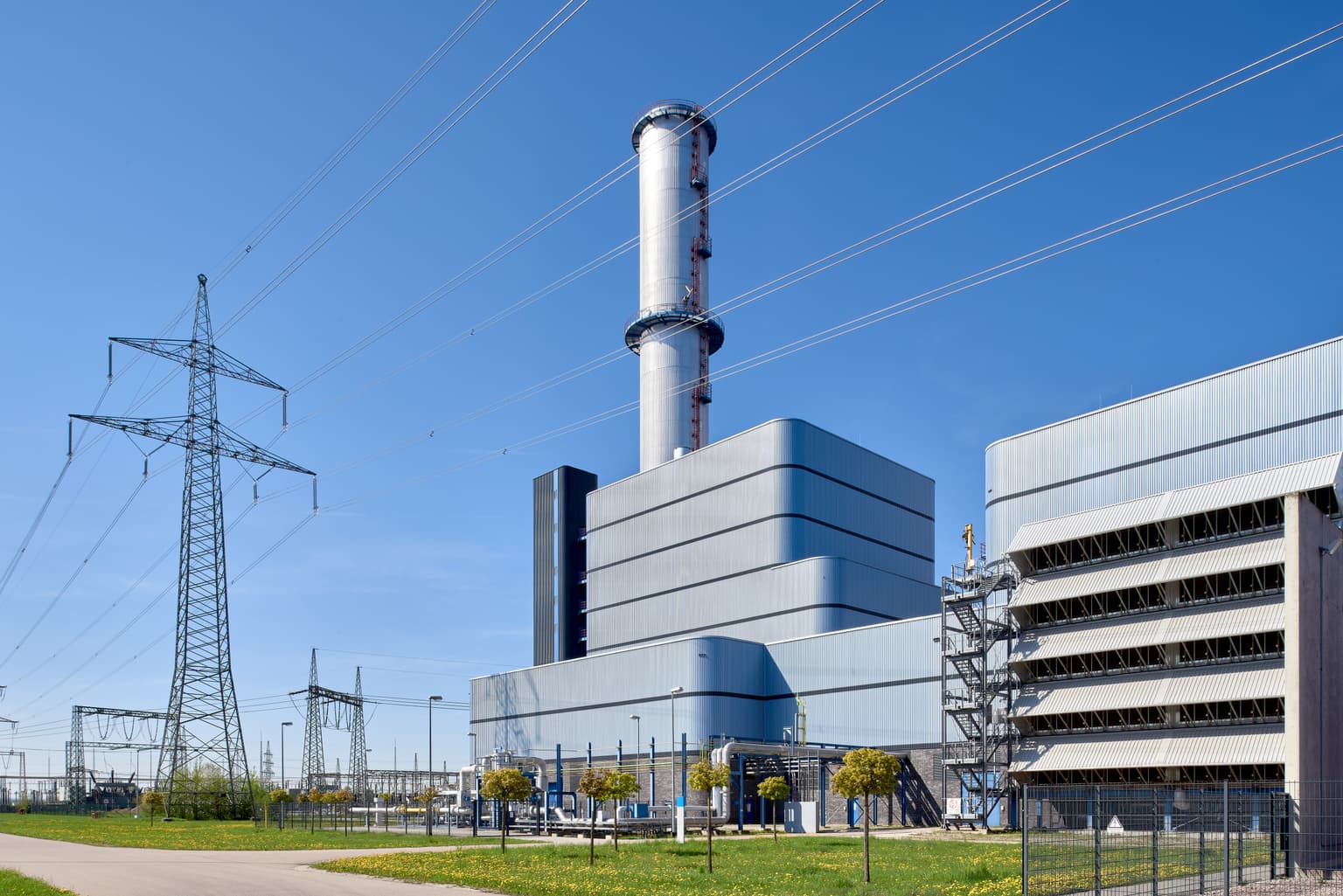
Source: Uniper. Irsching gas-fired power plant, Germany
The government expects auctions for at least 2 GW of gas-fired power plant capacity capable of switching to hydrogen to be ready as early as 2026 or 2027, so the plants can be operational by 2032. These plants are intended to accelerate the shift away from fossil fuels and will receive temporary state aid to cover operating costs associated with switching to hydrogen.
The 2029 auctions will cover an as-yet unspecified volume of capacity, if needed to ensure supply. They will be open to all technologies, including existing capacity, including in neighbouring countries.
The government also plans to introduce a capacity market by 2027 to ensure security of supply from 2032, even after these auctions have been held.
Economy Minister Katherina Reiche said the auctions would provide the foundation for secure electricity supplies and a competitive German industry. “This is an important first step towards introducing a comprehensive, technology-neutral capacity market that will support the construction of additional power plants and flexible capacity,” she added.
Experts, however, do not expect the first tenders to begin before the end of 2026, given the preparations involved .
Industry welcomes clear signal, environmentalists criticise the role of gas
Industry associations have welcomed the new plans. The BDI points out that Germany’s competitiveness depends on stable prices and affordable electricity. The energy association BDEW particularly welcomes the state’s readiness to provide short-term support for the higher operating costs associated with switching to hydrogen. Without such measures, such as contracts for difference (CfDs), investment would be difficult to realise, it says.
Environmental organisations, by contrast, criticise the fact that most of the capacity will go to gas-fired power plants, limiting the scope for battery storage.
Translation disclaimer
This article is a machine translation of the Czech original and has not yet been fully reviewed. In case of any doubt, please refer to the Czech version.
Sdílejte článek prostřednictvím:
You might also like

10 October 2026, 07:02
9 October 2026, 13:47