Czech EPH’s CO2 emissions to rise significantly after Vattenfall asset purchase

Last week, Reuters reported that Vattenfall’s coal assets will be acquired by Czech company EPH. EPH will thus become one of the most polluting energy companies in the EU ETS, while Vattenfall will move closer to its goal of becoming a low-carbon company.
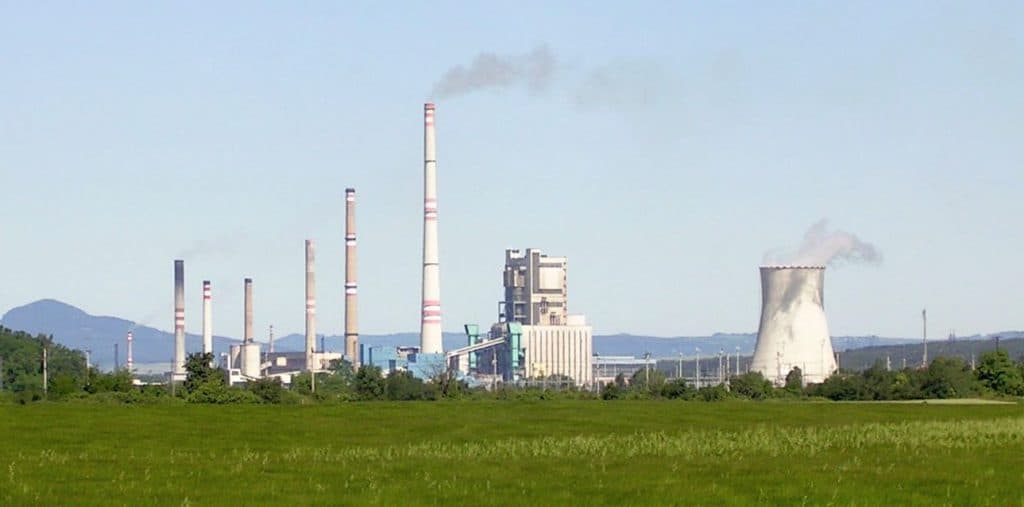
Vattenfall’s coal assets, which were the subject of the sale, are among the most polluting sources in the company’s portfolio. This is also borne out by the latest European Union data, which show that the Jänschwalde coal-fired power plant is the fifth-largest source of pollution in the EU ETS (23,3 mil. tonnes of CO2 annually).
Another of the power plants included in the sale is Schwarze Pumpe, which ranked ninth on the list of the largest polluters (12,2 mil. tonnes of CO2 annually). Boxberg IV (12th place – 10,2 mil. tonnes of CO2) and Boxberg III (20th place – 8,6 mil. tonnes of CO2) are also among the top twenty polluters in the EU ETS.
In addition, EPH also owns the Lynemouth lignite-fired power plant, the hard coal-fired Eggborough power plant, and stakes in Hungarian and Italian gas-fired power plants.
According to Reuters sources, Vattenfall’s assets will be sold to EPH primarily because it offered a positive price. There had long been speculation about a negative price for the assets, which are currently loss-making due to low exchange electricity prices.
In 2018 and 2019, two 500 MW units at the Jänschwalde power plant from the assets sold are expected to be transferred to the capacity reserve prepared by the German government last year.
As a result of the asset purchase, EPH’s generation portfolio will become more dependent on emissions allowance prices in the EU ETS. These are currently trading at EUR 5,6 per tonne of CO2 and have returned to modest growth from this year’s lows of around EUR 4,7 per tonne. They remain significantly below last year’s levels, when the price stood at around EUR 8/t CO2.
Vattenfall wants to become a responsible low-emission energy company
One reason for the sale of its German lignite assets was Vattenfall’s commitment to reduce its emissions to 21 mil. tonnes of CO2 annually (for comparison, the Jänschwalde power plant alone emits approximately 23 mil. tonnes of CO2 annually). Ultimately, the sale of the assets will reduce only Vattenfall’s emissions, not CO2 emissions across Europe.
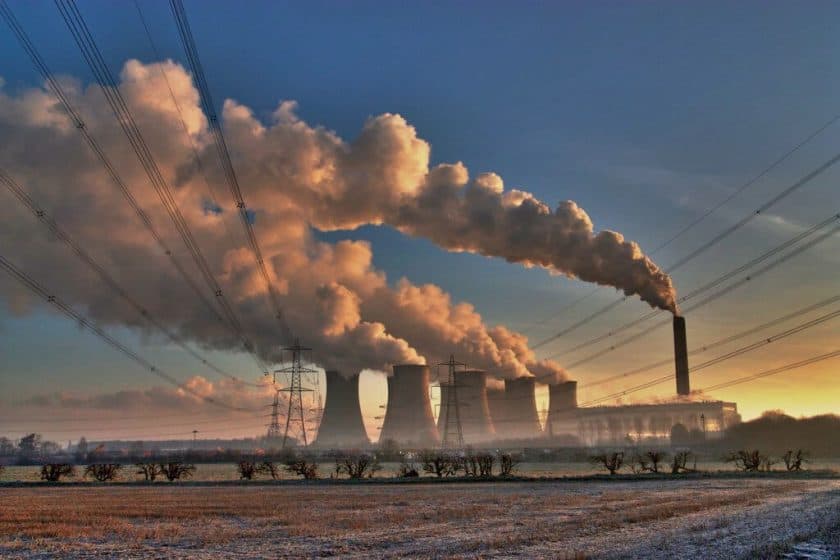
Featured photo: Steve F [CC BY-SA 2.0], via Wikimedia Commons
Translation disclaimer
This article is a machine translation of the Czech original and has not yet been fully reviewed. In case of any doubt, please refer to the Czech version.