23 October 2026, 14:38
Loading...
Czech wind sets records over Christmas, but no one wanted the power generated

Martin Voříšek
26 December 2017, 16:05
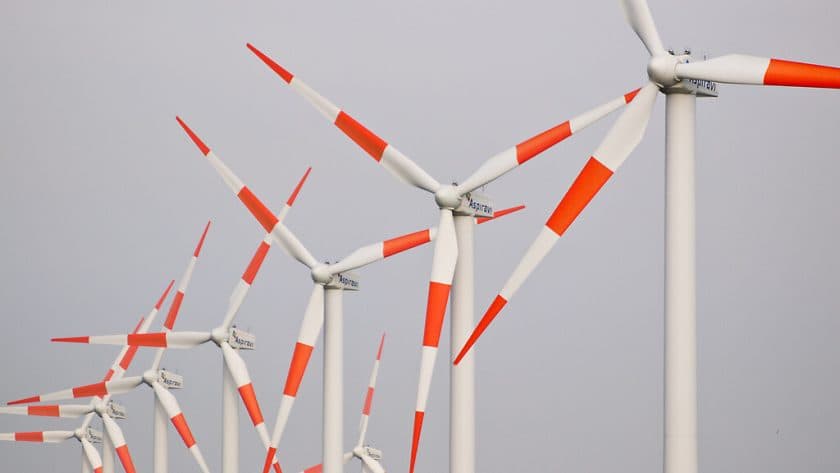
Thanks to favourable weather conditions, Central European countries once again had to contend with significant volumes of wind power. Poland set this year's generation record, while the Czech Republic fell just 3 MW short of its record. Output from wind farms alone in Germany once again exceeded 36 GW .
As last year, wind generation performed well over Christmas this year too. Thanks to the windy weather, output was close to record levels in the Czech Republic, Germany and Poland, where wind farm generation was the highest so far this year.
The Czech Republic nearly matched its record for this year, set during Storm Herwart in October, when output from Czech wind farms reached 237 MW. On the evening before Christmas Eve, output rose to “just” 234 MW.
{„country“:“CZE“,“type“:“AREA“,“sources“:“wind_onshore“,“from“:“2017-12-21″,“to“:“2017-12-25″,“caption“:“Wind farm output in the Czech Republic once again reached record levels“,“url“:“https://energodock.cz/energodock/get_online_generation_data.php“,“source“:“shortcode“,“start_date“:“2017-12-21″,“end_date“:“2017-12-25″}
The situation in Poland was also exceptionally interesting. Not only was this year's record for wind farm output broken, but Poland was also generating electricity with very low carbon intensity compared with normal conditions.
Carbon intensity fell below 500 g CO2/kWh, which is an unusually low figure for Poland, although it remains one of the highest compared with other European countries.
{„country“:“PL“,“type“:“AREA“,“from“:“2017-12-20″,“to“:“2017-12-25″,“caption“:“Electricity generation in Poland also reached record levels.“,“url“:“https://energodock.cz/energodock/get_online_generation_data.php“,“source“:“shortcode“,“start_date“:“2017-12-20″,“end_date“:“2017-12-25″}
Paradoxically, however, generation was high at a time when electricity consumption was relatively low. In addition to the holiday period, relatively warm weather also contributed. This is why the share of renewables in the countries mentioned was relatively high.
Christmas conditions also once again caused electricity prices in the Czech Republic and Germany to fall into negative territory. This further increased the frequency of negative prices this year, which had already exceeded last year's levels after Storm Herwart.
{„country“:“CZE“,“type“:“PRICE“,“from“:“2017-12-20″,“to“:“2017-12-25″,“caption“:“The day-ahead electricity price once again fell into negative territory“,“url“:“https://energodock.cz/energodock/get_day_ahead_prices.php“,“source“:“shortcode“,“start_date“:“2017-12-20″,“end_date“:“2017-12-25″}
Excess capacity in the grid, together with low electricity market prices, meant that even normally inflexible nuclear power plants in Germany began to adjust and reduced output to around 55 % of their currently available capacity. During the same hours, hard coal and lignite were producing only 5.5 GW, compared with around 30 GW in the preceding days. The following chart shows how the main conventional sources in the Czech Republic's western neighbour contributed to generation in the pre-Christmas period.
{„country“:“GER“,“type“:“AREA“,“sources“:“lignite;hard_coal;nuclear“,“from“:“2017-12-10″,“to“:“2017-12-25″,“caption“:“Germany's power sector and the flexibility of coal and nuclear sources in the pre-Christmas period.“,“url“:“https://energodock.cz/energodock/get_online_generation_data.php“,“source“:“shortcode“,“start_date“:“2017-12-10″,“end_date“:“2017-12-25″}
Translation disclaimer
This article is a machine translation of the Czech original and has not yet been fully reviewed. In case of any doubt, please refer to the Czech version.
Sdílejte článek prostřednictvím:
You might also like
23 October 2026, 11:01

23 October 2026, 06:34