
23 October 2026, 14:38
Loading...
Geothermal heating plants to be considered overriding public interest in Germany

Jan Budín
6 September 2024, 12:23
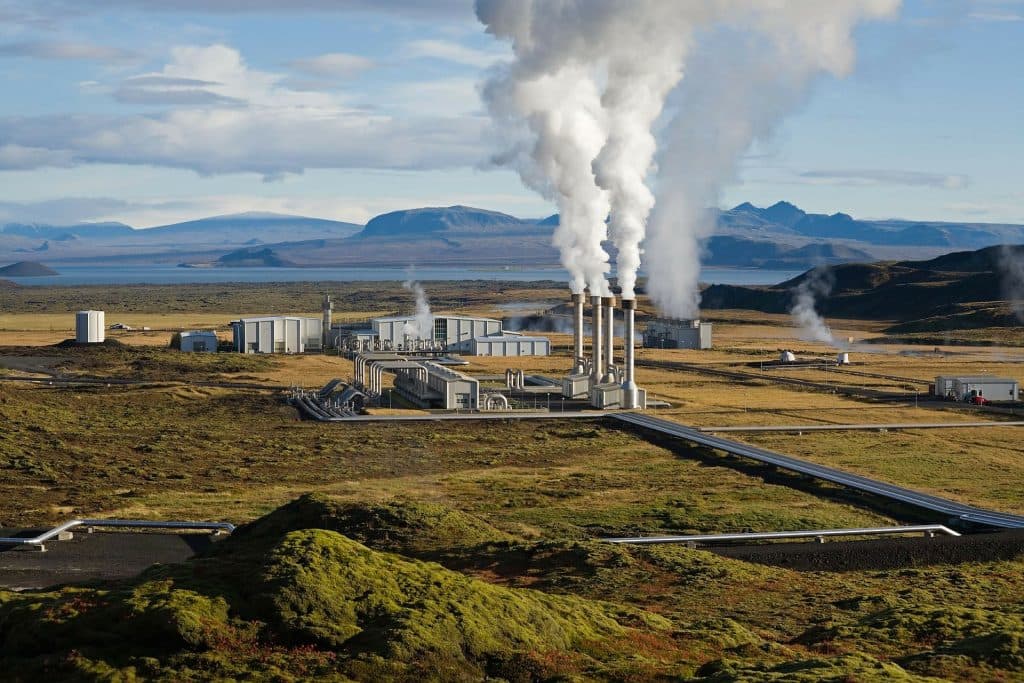
Projects using deep geothermal energy in combination with large heat pumps and thermal energy storage should be considered to be in the overriding public interest, according to the German government. Authorities should also give less weight to nature conservation and mining laws when assessing them. The foreign news site Clean Energy Wire reported.
The use of geothermal energy for district heating is one of the main pillars of Germany's plans to transform and further develop the sector. According to a statement made last year by Chancellor Olaf Scholz, the volume of heat supplied by geothermal heating plants to district heating networks could increase tenfold by 2030.
To kick-start the development of geothermal sources, the German government has approved new legislation under which these projects will be regarded as being in the overriding public interest. The same applies, for example, to renewable electricity generation facilities and electrolysers that use electricity from renewable sources to produce hydrogen.
“The new rules should pave the way for this ‘overlooked’ energy source to be used ‘in a targeted way and without bureaucratic obstacles’,” German Economy Minister Robert Habeck said.
Renewable energy sources currently account for around one-fifth of heat supplied by district heating networks in Germany. Developing the use of geothermal energy should help the country meet its target for increasing the share of renewable energy in these networks. The German government had initially proposed aiming for a 50% share by 2030, but was forced to scale back its ambition and is now targeting 30%.
However, planned development of Germany's district heating sector is at risk, according to the German Association of Local Utilities (VKU), after the German government allocated only 3.4 billion euros to the Federal Funding for Efficient Heating Networks scheme for 2025 to 2029. A recently commissioned study by the German Energy Efficiency Association for Heating, Cooling and CHP (AGFW) and the aforementioned VKU found that an allocation of 3.4 billion euros a year would be needed to meet the targets.
Translation disclaimer
This article is a machine translation of the Czech original and has not yet been fully reviewed. In case of any doubt, please refer to the Czech version.
Sdílejte článek prostřednictvím:
You might also like


23 October 2026, 11:01


23 October 2026, 06:34