
23 October 2026, 14:38
Loading...
German nuclear power plant Krümmel approved for dismantling, which will take 15 years

Jiří Salavec
26 August 2024, 11:40
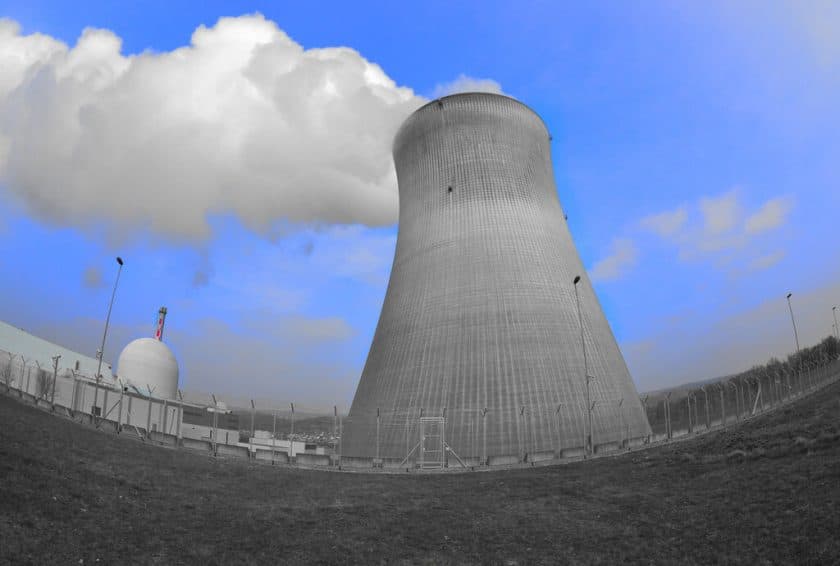
The decommissioned German nuclear power plant Krümmel has received approval for dismantling from the federal authority. The single-unit plant, with a capacity of 1400 MW, is located in Schleswig-Holstein and ceased operations in 2011, following the nuclear accident in Fukushima, Japan. Operator and 50% co-owner Vattenfall expects dismantling work to take another 15 years.
The nuclear regulator in the German state of Schleswig-Holstein has issued approval for the complete decommissioning and dismantling of the Krümmel nuclear power plant. The single-unit plant, with a 1400 MW (gross) boiling water reactor (BWR), began operating in 1983. Before it was shut down in 2011 in response to the accident in Fukushima, Japan, the unit was out of service for extended periods several times due to a transformer fault.
“The gradual decommissioning of the Krümmel nuclear power plant is continuing. With the approval granted, what was once the world's largest boiling water reactor is entering the dismantling phase. Operator Vattenfall has approached the process safely and constructively. This approach will ensure the safe dismantling of the power plant. I wish my colleagues safe and successful dismantling work. You are providing an important service to people in our country,” said Tobias Goldschmidt, Minister for Energy Transition, Climate Protection, the Environment and Nature.
The plant was operated by Vattenfall, which is also responsible for its dismantling. In addition to Vattenfall (50%), E.ON (50%) is also an owner of the Krümmel plant. Over its lifetime, the plant supplied around 201 TWh of electricity to the grid.
Dismantling to take around 15 years
Vattenfall applied to decommission and dismantle the plant in the northern German state in 2015. During the post-operational phase, technicians removed the fuel assemblies from the unit, with the last one removed in 2017. To date, around 99% of the radioactive material has already left the plant. In the next phase, workers can now begin dismantling the reactor pressure vessel internals, which contain most of the remaining radioactive material.
“This is an important milestone on the way to turning the power plant site into a ‘greenfield site.’ We can draw on experience gained at the Brunsbüttel nuclear power plant, where we began dismantling in 2019,” said Ingo Neuhaus, managing director of Vattenfall's nuclear energy division in Germany.
Around 540,000 tonnes of material in total must be dismantled at the plant. The companies estimate the dismantling costs at 1 billion EUR (around 25 billion CZK). According to Vattenfall, the entire process is expected to take around 15 years.
Dismantling work is already underway at several nuclear reactors across Germany (including Neckarwestheim 2, Isar 2, Grafenrheinfeld and Grohnde). Germany's last nuclear unit ceased generating electricity in April last year.
Translation disclaimer
This article is a machine translation of the Czech original and has not yet been fully reviewed. In case of any doubt, please refer to the Czech version.
Sdílejte článek prostřednictvím:
You might also like


23 October 2026, 11:01


23 October 2026, 06:34