
23 October 2026, 14:38
Loading...
German wind lull: wind power generation fell by a quarter year on year
Adam Sosna
7 May 2025, 06:46
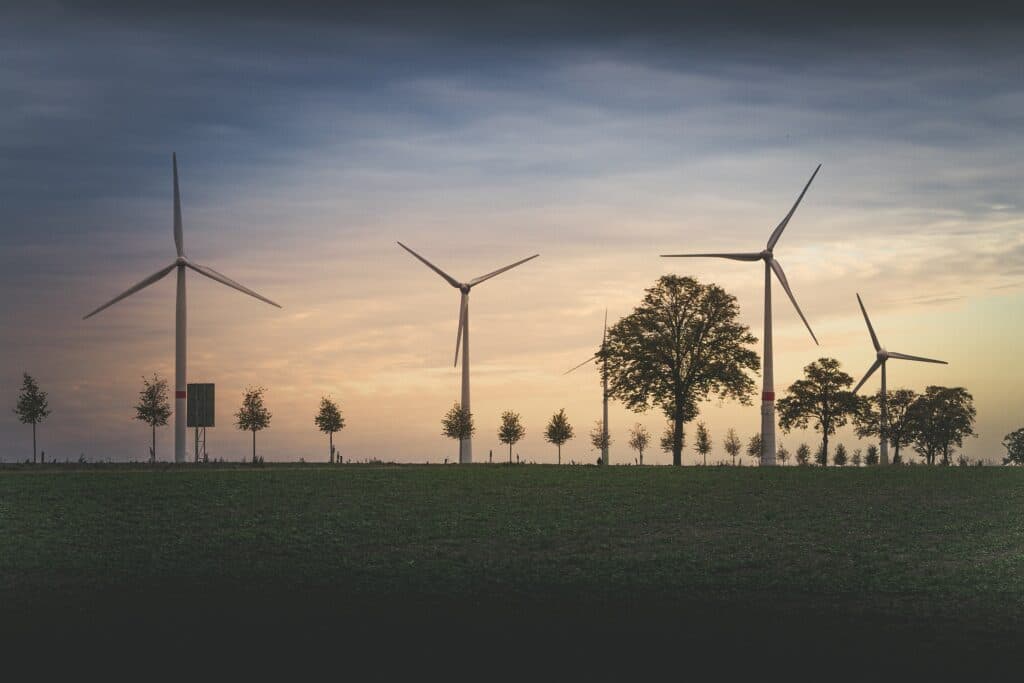
Adverse weather conditions in the first quarter of this year led to a significant reduction in renewable energy generation in Germany. Data published by industry association BDEW and research institute ZSW show that renewables generated a total of 63.5 TWh in Germany from January to the end of March. This is 16 percent less than in the same period in 2024. Overall, renewable sources covered 47 % of German electricity consumption in the first quarter of the year.
The significant drop in generation was caused by adverse weather conditions, particularly unusually weak winds in February and March. This had a very strong impact on generation from wind turbines both onshore and offshore in the first quarter.
While generation from German onshore turbines fell by 22 %, the decline offshore was as much as 31 %. Total generation from Germany's large wind turbine fleet reached 33.3 TWh, 14 TWh less than in the first quarter of 2024. Nevertheless, wind turbines covered 25 % of electricity consumption.
Such a dramatic year-on-year decline in generation occurred despite the fact that installed wind capacity in the country continues to grow.
"Under normal weather conditions, wind energy generation would have increased significantly," said BDEW.
Another factor negatively affecting renewable energy generation was drought, which led to a decline of more than a quarter in hydropower generation. Hydropower thus covered only three percent of German consumption.
By contrast, solar power generation developed positively. Further expansion of solar systems and an exceptionally sunny March ensured a noticeable increase in solar energy generation. With an increase of 3.2 TWh compared to the same period last year, generation from photovoltaic plants rose by approximately a third in the first quarter, covering ten percent of electricity consumption in Germany. However, even this growth could not fully offset the sharp decline in wind generation.
Confidence in renewables persists, but flexible resources are essential
"Wind and solar energy now make a central and ever-growing contribution to covering our electricity consumption – this is a major success of the energy transition and shows how strong renewables already are today," says Kerstin Andreae, chair of BDEW's executive board."Generation from renewable sources fluctuates with the weather. To ensure security of supply and harness the price potential of peak periods, we need more storage capacity, greater flexibility and hydrogen-ready dispatchable gas-fired power plants, alongside the further expansion of renewables," Andreae adds.
According to the association, the new federal government should initiate new legislation with investment incentives for this purpose as quickly as possible, ideally within the first 100 days of its term, in order to launch the planned rapid expansion of flexible capacity and resources.
Translation disclaimer
This article is a machine translation of the Czech original and has not yet been fully reviewed. In case of any doubt, please refer to the Czech version.
Sdílejte článek prostřednictvím:
You might also like
23 October 2026, 11:01

23 October 2026, 06:34