
23 October 2026, 14:38
Loading...
New law complicates rollout of smart meters in Germany

David Vobořil
4 November 2024, 06:16
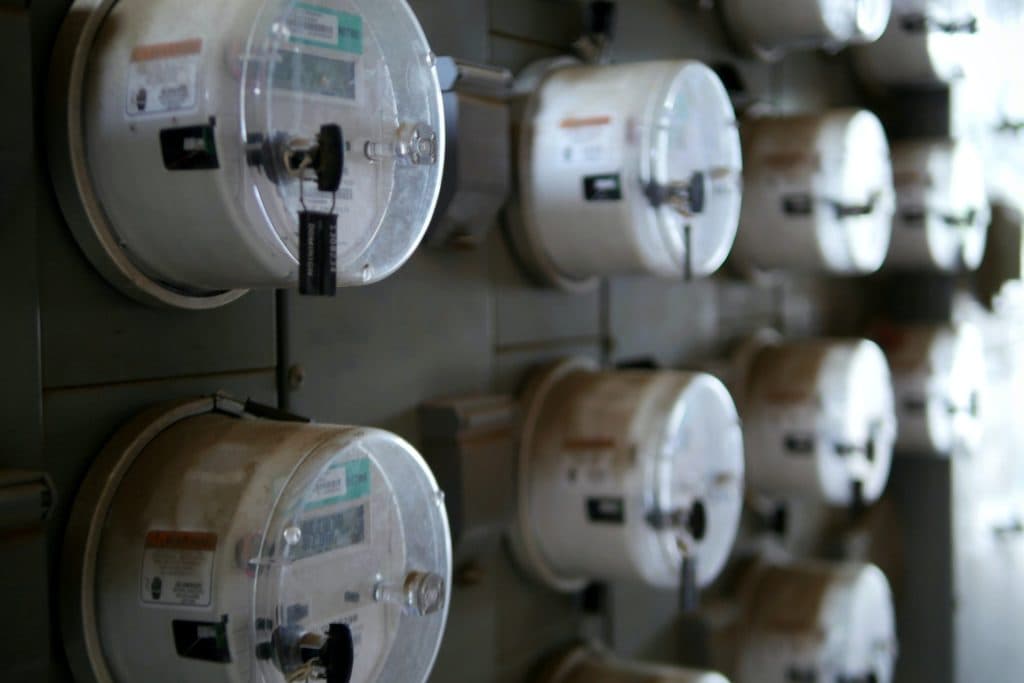
Under a new draft law proposed by the German government not all households will be entitled to a smart meter from 2025, as planned. At the same time, annual fees for smart meters will increase several-fold. The rollout of smart meters in Germany, one of the slowest in the EU, thus faces further obstacles.
A widespread rollout of smart meters is a cornerstone of the energy transition. The introduction of modern technologies in homes and businesses depends on the ability to measure electricity consumption throughout the day.
With variable electricity tariffs, consumers with smart meters can adjust their consumption to take advantage of periods when electricity is cheaper, for example. The use of flexibility, which makes it possible to maintain a balanced system even with a higher share of renewable energy sources, also depends on the ability to measure consumption continuously and transmit data.
By international comparison, Germany is lagging considerably behind. While 90% of households in Denmark, Sweden, Italy and Spain already have a smart meter, the figure in Germany is just one percent of all households.
Germany has passed a law intended to speed up the installation of these systems. From 2025, large electricity consumers will have to install smart meters progressively, while ordinary households should also be able to obtain one on request. Smart meters are to be installed across German households and businesses by 2032.
The German government has now proposed a law introducing several major changes. Consumers will not automatically receive a smart meter on request. They can apply for one, but the metering point operator may refuse if there is a valid reason.
The changes go even further. From 2025, all operators of solar power plants will have to receive a smart meter capable of controlling generation and consumption. This applies to both new and existing systems.
The costs of these systems will be shared between metering point operators and consumers. Under the previous regulation, these costs for consumers were to be capped at 20 euros a year, while the metering point operator would pay 80 euros.
Under the amended law, consumers who need a smart meter with a control system—that is, consumers with a photovoltaic system, battery, heat pump or electric vehicle charger—will pay 150 euros a year. The costs will be reflected in their electricity bills.
It was also previously planned that all consumers using more than 6 000 kWh of electricity a year would have to have a smart meter. The new law raises this threshold to 10 000 kWh. This affects only a very small number of households, since the average annual consumption of detached houses in Germany is about 4000 kWh.
Translation disclaimer
This article is a machine translation of the Czech original and has not yet been fully reviewed. In case of any doubt, please refer to the Czech version.
Sdílejte článek prostřednictvím:
You might also like


23 October 2026, 11:01


23 October 2026, 06:34