The European ban on combustion engines is back on the table thanks to German pressure
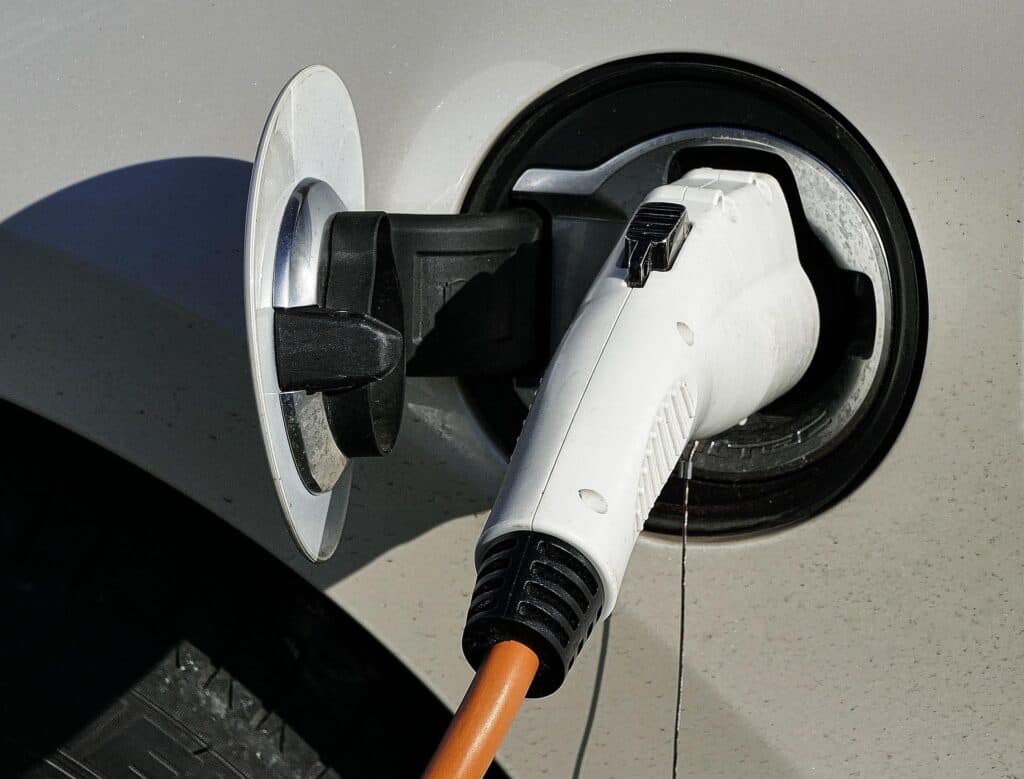
German Chancellor Friedrich Merz has called on the European Commission to soften its planned ban on sales of new cars with combustion engines after 2035. He says carmakers are facing weak demand for electric vehicles and growing pressure from China. The industry welcomes the move, while environmental groups warn that it could slow decarbonisation. The news was reported by ESG NEWS.
German Chancellor Friedrich Merz has reopened the European debate over a ban on combustion engines from 2035. In a letter to European Commission President Ursula von der Leyen, he asked the Commission to consider exemptions from the planned outright ban. He says carmakers need more flexibility because the European electric vehicle market is growing more slowly than politicians expected.
Merz said the current plan is “unrealistic” and that the global position of European manufacturers is deteriorating. He added that Germany supports climate targets but refuses to put jobs in a strategic industry at risk. In his view, the transition to zero-emission mobility must protect both employees and industrial know-how.
A split in the coalition and pressure from the automotive sector
The debate was reopened amid disputes within Germany’s governing coalition. The Social Democrats had initially been unwilling to revisit the European compromise already agreed. After negotiations, however, the government reached an agreement. Berlin will seek exemptions for plug-in hybrids and “highly efficient” combustion engines, which could remain on the market after 2035.
Germany’s move comes shortly before 10 December, when the Commission is due to present updated emissions targets for the automotive sector. This document could have a major impact on major manufacturers’ investment plans for the next decade.
Carmakers have stepped up pressure on policymakers in recent months. Volkswagen, Mercedes and BMW have invested billions in developing electric vehicles, but demand for them is growing more slowly than forecasts predicted. Manufacturers warn that without a transition period, margins could fall, production capacity could be cut further, and uncertainty could grow over models for 2030–2035.
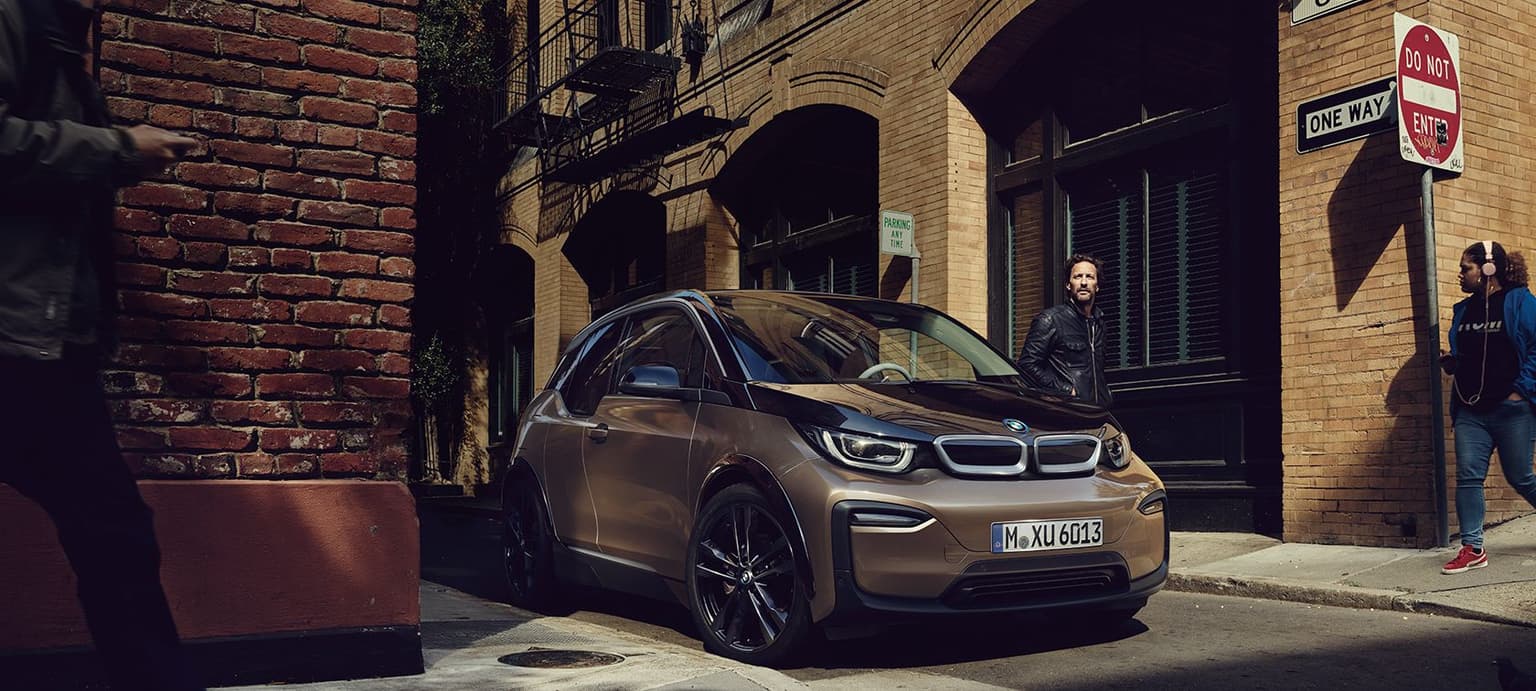
Industry welcomes flexibility as government offers new subsidies
Germany’s automotive association VDA welcomed the government’s move. Its president, Hildegard Müller, said it was good news for industry and hundreds of thousands of employees. In her view, a managed transition that includes hybrid technologies could stabilise production and maintain Europe’s technological competitiveness. She also added that carmakers need clear and realistic targets.
The coalition is also trying to balance its softened stance by introducing new subsidies. It plans to support purchases of electric vehicles and plug-in hybrids by low- and middle-income households. The government wants to signal that Germany is not abandoning electrification, but responding to market realities.
Environmental groups warn of slower decarbonisation
Environmental groups, however, warn of possible consequences. Transport & Environment criticises Germany’s move as a step backwards. According to Sebastian Bock, head of T&E Germany, relying on combustion engines only prolongs technological dependence on fossil fuels. He argues that European competitiveness is not suffering because of regulation, but because of the slow electrification of company fleets.
T&E therefore recommends a different approach: requiring 75% of company vehicles to be electric by 2030 and supporting European manufacturing. According to the organisation, this step would result in up to 1.2 million electric vehicles being produced in the EU.
Merz’s request has revived a debate many politicians considered settled. The outcome could significantly influence decision-making by carmakers’ management teams and investors monitoring regulatory risks and the pace of regulation. Some member states insist on full electrification by 2035, while others support a more flexible approach.
Translation disclaimer
This article is a machine translation of the Czech original and has not yet been fully reviewed. In case of any doubt, please refer to the Czech version.