Czech district heating plants gradually begin supplying heat, around the same time as last year

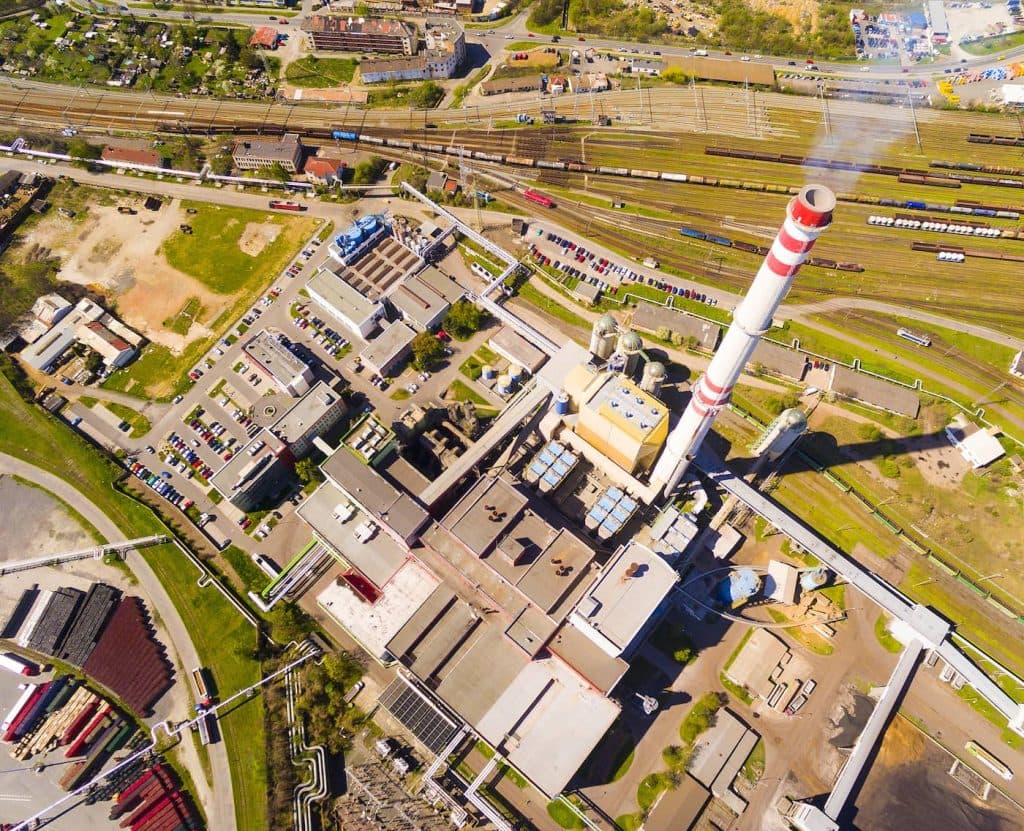
District heating plants in Czechia are gradually beginning to supply heat. They are responding to a sharp drop in temperatures this week, when conditions for starting heating will be met across most of the country. The start of the heating season is therefore taking place at a similar time to last year and is in line with the average of roughly the past 15 years. The Czech District Heating Association informed ČTK of this today. The previous heating season was more intensive than in preceding years, with temperatures 4.9 percent lower year on year.
The first district heating plants began providing supplementary heating, especially in the mornings and evenings, last week. These were primarily in mountainous areas in western and northern Bohemia and in the Vysočina region. Other heating plants should gradually follow in the coming days, depending on local climatic conditions.
"District heating plants are traditionally ready to ensure thermal comfort for customers as soon as developments in outdoor temperatures require it. We expect this to happen in the coming days," said Jiří Vecka, director of the Czech District Heating Association.
According to him, the heating season is beginning this year virtually at the same time as last year, and its start corresponds to the long-term average. Since 2010, radiators have started heating on average after 20 September, meaning this year's start of the heating season will be average. Heating also began nationwide at the same time last year. September is typically marked by wide temperature variations. For example, heating began at the start of September in 2010, while in 2023 there was no heating at all in September and temperatures did not fall until mid-October.
Heating plants noted that, in the event of an Indian summer in late September or early October, heating may be suspended. They will suspend heating once the average daily temperature exceeds 13 degrees for two days and the forecast predicts further warming.
The latest heating season was slightly more intensive than in previous years. It was 4.9 percent colder year on year and 3.2 percent colder compared with the long-term average of the past 15 years.
Heat prices are likely to rise next year. According to heating plants, this is due to this year's change in the interpretation of the tax exemption for fuels used in combined heat and power generation, which the state now permits to be applied only to the portion of heat supplied to households. As a result, for example, hospitals or schools may have to pay tens to hundreds of thousands of crowns more for heat each year, according to the association.
According to the Finance Ministry, the customs administration had to take court decisions into account when changing its interpretation. However, this should not affect heat prices for households, the ministry said, because the customs administration's interpretation has not changed for heat supplies from cogeneration to households. Heating plants, however, said that in apartment buildings, some heat may be supplied to spaces used for commercial activities, making it often impossible to clearly distinguish heat supplied to households.
"It remains the case, or rather it was agreed with the District Heating Association, that tax authority bodies seek to accommodate entities as much as possible in individual cases, so that cogeneration operators do not face an evidentiary shortfall when allocating heat between households and other customers," added Finance Ministry spokesperson David Polák.
District heating plants in Czechia are undergoing a gradual transformation. According to data for 2025, roughly 47 percent of heat was generated from coal, which therefore remains the dominant source of heat production. However, its share is gradually declining, and according to the association this process should accelerate further in the coming years.
Translation disclaimer
This article is a machine translation of the Czech original and has not yet been fully reviewed. In case of any doubt, please refer to the Czech version.