7 November 2026, 17:23
Loading...
Announced clean hydrogen projects are growing in number, but implementation is slow

Jan Budín
22 December 2023, 15:58
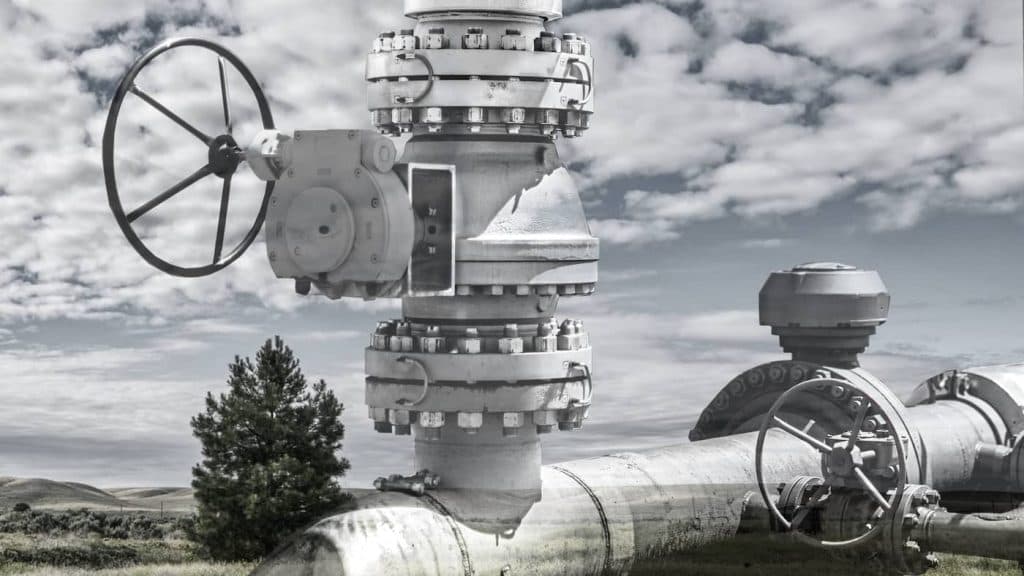
The number of announced clean hydrogen projects has increased by more than a third since January this year to 1 418. If all these projects were completed, they would require investment of USD 570 billion and deliver annual clean hydrogen production of 45 million tonnes in 2030. However, rising investment costs, project delays, ongoing regulatory uncertainty and higher financing costs could jeopardize their implementation. This is according to a recently published report by the Hydrogen Council.
The "Hydrogen Insights 2023" report, prepared by the Hydrogen Council in cooperation with consultancy McKinsey & Company, highlights the increase in announced projects but tempers optimism by noting that only a quarter of them (and just 7% in terms of investment spending) have reached a final investment decision.
The study’s authors also noted that announced projects are not being implemented nearly as quickly as developers had previously expected.
"Although projects announced in 2021 indicated that 6 GW of electrolyser capacity would be operational by the end of 2022, the figure stood at just 1.1 GW as of October 2023, less than 20% of the projected total," the Hydrogen Council says in the study, noting that the main reasons for the slower growth are rising investment costs, ongoing regulatory uncertainty and higher financing costs.
In light of the cost increases mentioned above, the modeled levelized cost of hydrogen (LCOH) has also been revised upwards by 30% to 65%, to USD 4.5 to 6.5/kg.
"The cost of producing renewable hydrogen is nevertheless expected to fall to USD 2.5 to 4.0/kg by 2030, thanks to advances in electrolyser technology, economies of scale, improved design and lower prices for renewable electricity," the Hydrogen Council adds.
Europe leads in announced projects
Annual clean hydrogen production in 2030 from announced projects has increased by 7 million tonnes/year since January this year to 45 million tonnes/year. Of this total, 32 million tonnes/year is so-called renewable hydrogen, while the remaining 13 million tonnes/year is low-carbon hydrogen. Almost 14 million tonnes/year is accounted for by projects in Europe, 10 million tonnes/year by North America and 6.6 million tonnes/year by Latin America.
"China, India and the Middle East have seen the highest relative growth in announced clean hydrogen production projects for 2030, with increases ranging from 50% in China to 150% in India over the past nine months. The largest absolute increase in announced clean hydrogen production projects was recorded in Latin America and the Middle East (around 1.4 million tonnes/year in each)," the Hydrogen Council says in the study.
Projects are progressing fastest in China
The fact that growth in the capacity of projects that have already received the "green light" in the form of a final investment decision is significantly lagging behind growth in announced project capacity is evident, for example, in total electrolyser capacity.
While total electrolyser capacity for clean hydrogen production at announced projects increased by 73 GW to 305 GW between January and October 2023, the increase for projects that had reached a final investment decision was just 3 GW, to 12 GW. Most of this capacity is in China (55%, or 6.6 GW). According to the Hydrogen Council, this confirms that development in China is significantly outpacing that in the rest of the world.
"Despite the large volumes, less than 5% of investment focused on renewable hydrogen production has been confirmed. To bring the 305 GW of projects in the pipeline to fruition, a significant acceleration will be needed over the next seven years, with current installed electrolyser capacity of 1.1 GW needing to increase more than 250-fold," the Hydrogen Council says.
Translation disclaimer
This article is a machine translation of the Czech original and has not yet been fully reviewed. In case of any doubt, please refer to the Czech version.
Sdílejte článek prostřednictvím:
You might also like

7 November 2026, 13:37

6 November 2026, 14:13