
23 October 2026, 14:38
Loading...
European Commission promises clearer rules for low-carbon hydrogen
Veronika Jurcová
9 July 2025, 06:47
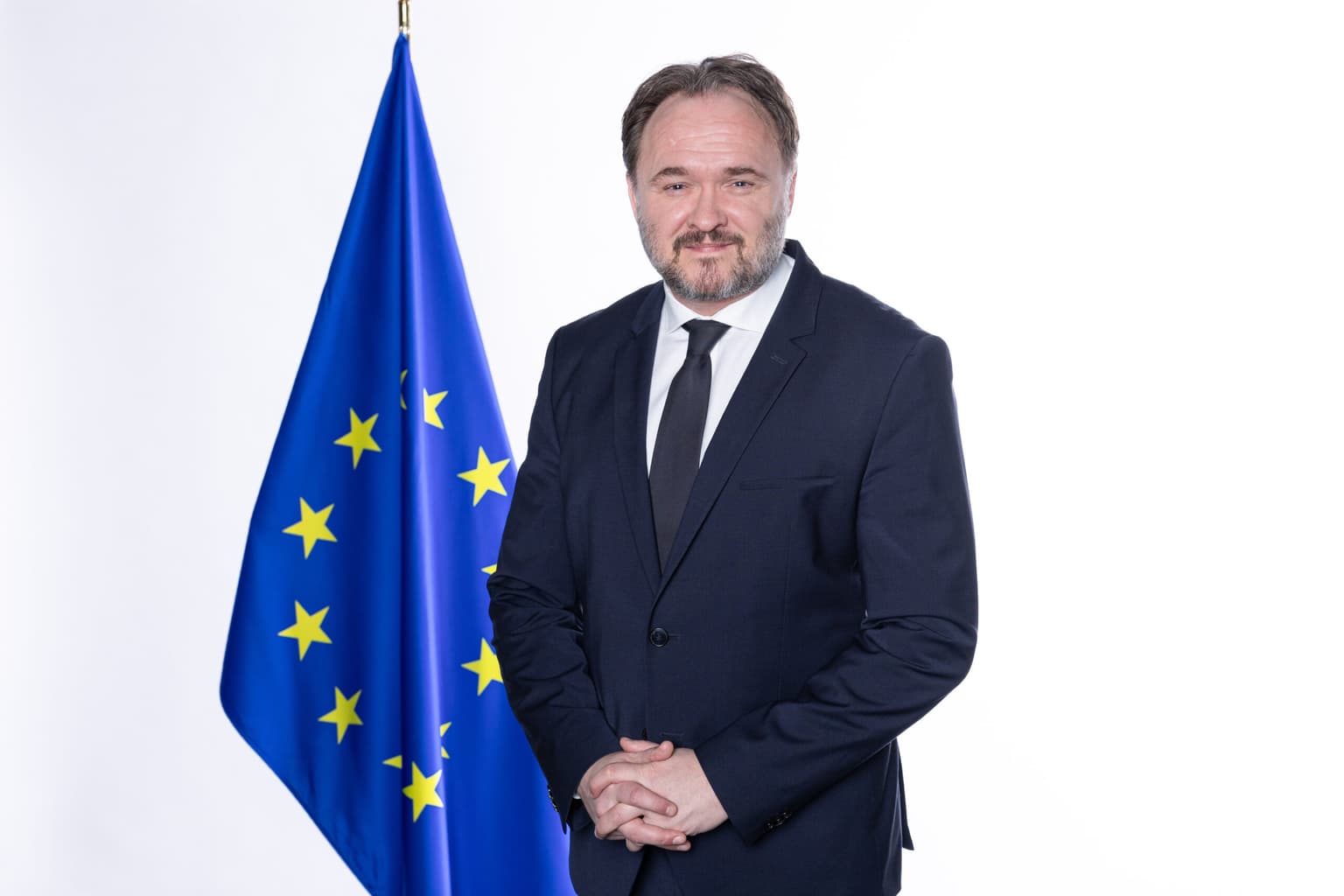
European Commissioner for Energy and Housing Dan Jørgensen has promised to present clearer rules in August on using nuclear energy to produce low-carbon hydrogen. It will be possible to produce it using either nuclear energy or natural gas with carbon capture technologies, Montel News reports.
Jørgensen said during a visit to the Cattenom nuclear power plant in France that the forthcoming Delegated Act on low-carbon hydrogen should provide clearer rules for different ways of producing hydrogen, including the use of nuclear energy.
Nuclear energy could therefore play a crucial role in decarbonising heavy industry, particularly the steel, cement and chemicals sectors, with hydrogen produced using nuclear energy potentially serving as a key tool for achieving the EU’s climate goals.
Jørgensen’s statement came after the Commission announced last month that EU member states would need to invest approximately EUR 241 billion by 2050 to meet their nuclear energy goals. Mobilising these funds, however, will require clear policy frameworks to help reduce project risks.
The Commission also said that these projects could be financed through power purchase agreements (PPAs), and that member states would receive guidance on designing contracts combining PPAs with state subsidies. The European Investment Bank (EIB) has also expressed support for PPAs, including for cross-border projects, and will take a technology-neutral approach.
"We will soon present the long-awaited delegated act on low-carbon hydrogen. I can also assure you that we have worked very hard to find a balanced solution that will work in all member states and clarify the rules for the different pathways for producing hydrogen,"Dan Jørgensen, European Commissioner for Energy and Housing. Source: European Commission
MEPs call for more lenient rules for low-carbon hydrogen production
The assurances also come in response to calls and concerns from European conservative lawmakers, who are seeking to ease the current regulations, Euractiv reports.
In a letter addressed to European Commission President Ursula von der Leyen, Vice-President Teresa Ribera and Energy Commissioner Dan Jørgensen, 55 Members of the European Parliament are calling for more flexible rules for producing low-carbon hydrogen. The initiative is being led mainly by the European People’s Party (EPP) and the European Conservatives and Reformists (ECR), including Czech representatives Ondřej Krutílek and Alexandr Vondra, but several MEPs from the liberal Renew group and German Social Democrat Jens Geier, who previously led negotiations on the gas package, have also joined.
They argue that strict rules on emissions limits and certified values for the use of natural gas and renewable energy could threaten the competitiveness of European industry and slow progress towards the EU’s climate goals.
The MEPs are calling for low-carbon hydrogen to be allowed to be produced using nuclear energy and natural gas with carbon capture and storage (CCS). They are also seeking looser emissions requirements for hydrogen production from gas, particularly in relation to the methane regulation, and for the use of nuclear energy to be supported through long-term power purchase agreements (PPAs).
There are currently no long-term PPAs for hydrogen production using nuclear energy, and most production still comes from fossil fuels, with total output at approximately 7.2 million tonnes. The European Union has set a target of producing 10 million tonnes of green hydrogen by 2030 while importing a further 10 million tonnes. Targets for low-carbon hydrogen, however, have not yet been precisely defined.
As part of their demands, the MEPs are also calling for transitional measures (so-called "grandfathering") to ensure that projects launched before 5 August 2028 are not adversely affected by new, stricter rules.
In their letter, the MEPs also pointed to the difficult market conditions facing various industrial sectors as they seek to decarbonise production. They said that excessively strict rules for low-carbon hydrogen production could undermine the European Union’s ability to meet its climate goals, not only because of higher production costs but also because of potential difficulties importing low-carbon hydrogen from key international partners such as the United States and some Asian countries.
Debate over the role of nuclear energy and natural gas in low-carbon hydrogen production is expected to continue, not only in connection with energy security but also with the need to decarbonise industry and achieve the EU’s climate goals.
Translation disclaimer
This article is a machine translation of the Czech original and has not yet been fully reviewed. In case of any doubt, please refer to the Czech version.
Sdílejte článek prostřednictvím:
You might also like


23 October 2026, 11:01


23 October 2026, 06:34