From LNG to hydrogen: Kawasaki aims to dominate a new era of tanker shipping
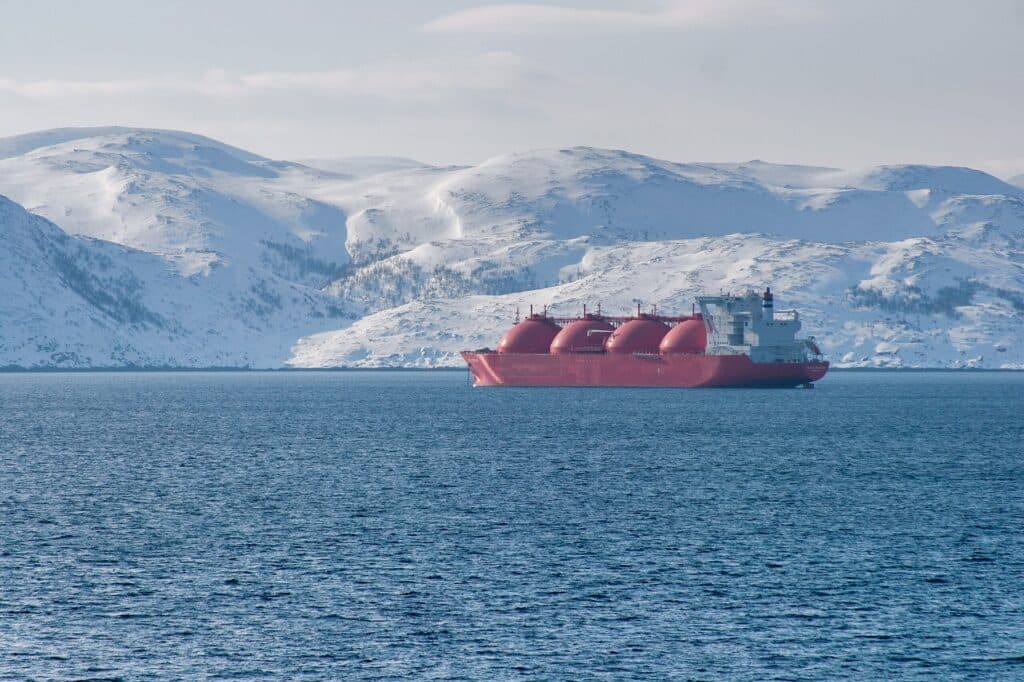
Japan’s Kawasaki Heavy Industries said on Tuesday, according to Reuters, that it had signed a contract with Japan Suiso Energy (JSE) to build the world’s largest liquid hydrogen carrier, with a capacity of 40 000 cubic meters. The vessel is to be built at Kawasaki’s Sakaide Works shipyard in Kagawa Prefecture in western Japan.
JSE is a joint venture between Kawasaki Heavy Industries and Iwatani Corporation. Last year, however, it secured significant investments from other Japanese giants, including Mitsubishi Kakoki Kaisha and Tokyo Century. The company is also involved in the Green Innovation Fund, which is supported by the Japanese government through the New Energy and Industrial Technology Development Organization (NEDO).
The project’s main objective is to successfully demonstrate the loading and unloading of liquid hydrogen between ship and shore and conduct trials at sea by the end of the fiscal year ending in March 2031.
Japan’s bet on hydrogen
Japan is one of Asia’s leading drivers of decarbonization initiatives and is also one of the region’s main financial drivers of decarbonization.
Kawasaki commissioned the world’s first liquid hydrogen carrier, the Suiso Frontier (suiso is Japanese for hydrogen), in 2019, with a capacity of 1250 cubic meters. In 2022, the ship took part in a pilot demonstration project between Japan and Australia aimed at showing that liquid hydrogen can be transported safely.
The company said the new vessel is designed to meet expected global demand for hydrogen in the 2030s and support the development of a commercial hydrogen supply chain. Kawasaki Heavy Industries is a successful manufacturer of liquefied natural gas tankers. The company said it aims to establish a similar position in hydrogen.
Challenges associated with hydrogen
Although the ships may look similar, transporting hydrogen is far more challenging technologically. The main problem is that hydrogen molecules are smaller and harder to contain, requiring innovations in tank design. Liquefying hydrogen also requires extremely low temperatures: it becomes liquid only at −253 °C, compared with −162 °C for methane.
Hydrogen’s energy density is another key factor in the fuel’s future economics. Approximately three times the volume of hydrogen is needed to obtain the same amount of energy as from natural gas, with major implications for the economics of transportation. Hydrogen is also more hazardous because it can ignite even more easily.
Translation disclaimer
This article is a machine translation of the Czech original and has not yet been fully reviewed. In case of any doubt, please refer to the Czech version.




