Green hydrogen held back by uncertainty: Europe risks excess production capacity, but the situation could reverse completely within a few years

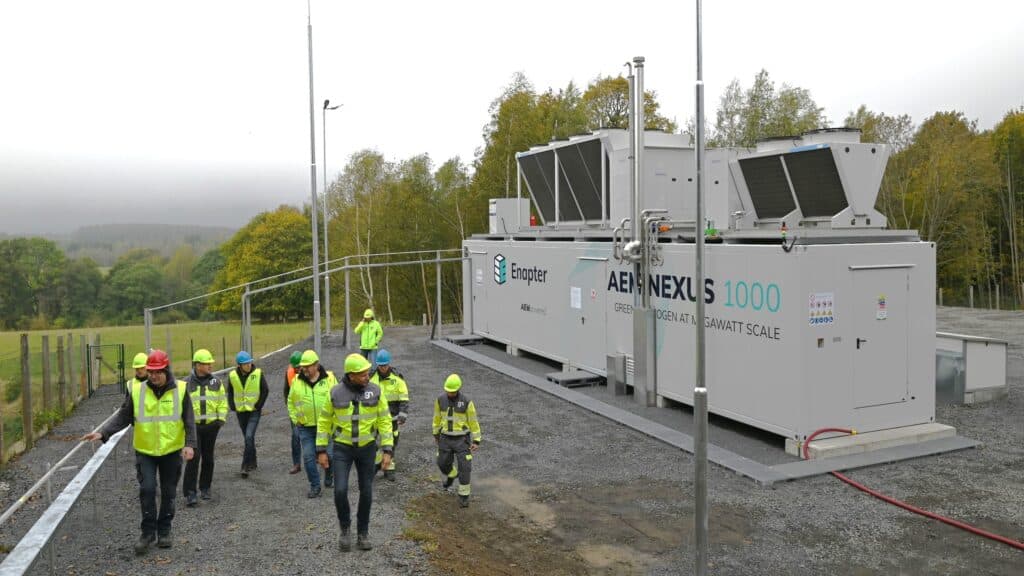
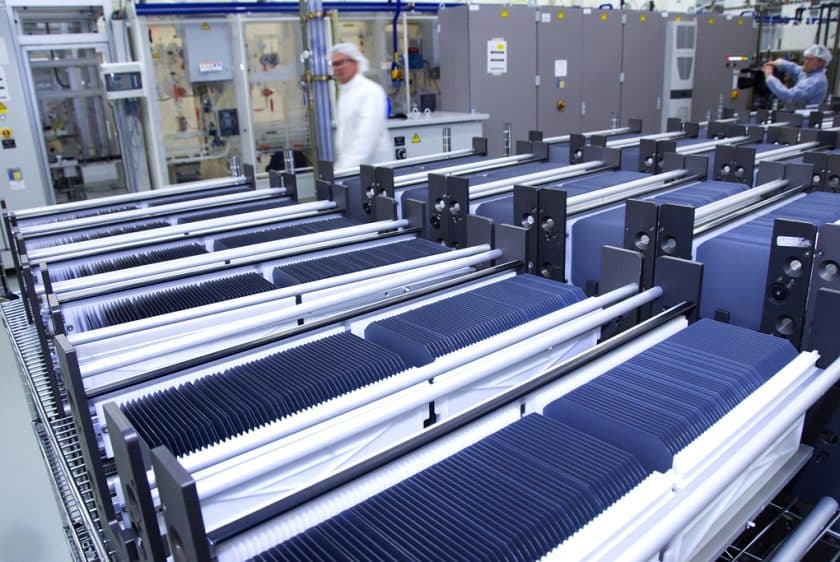
Europe has managed to build sufficient electrolyser manufacturing capacity to meet demand in the near future. However, a lack of investment decisions could force plants to operate far below capacity. Current uncertainty is also discouraging developers from committing to further investment, which could instead result in a shortage of green hydrogen on the European market towards the end of the decade.
The market gap in hydrogen was highlighted last week by RenewablesNow, which pointed to the growing challenge of turning ambitious green hydrogen targets into projects that are attractive to investors. The website cites a report by the Energy Industries Council (EIC), which states that Europe currently has maximum electrolyser manufacturing capacity of approximately 8.49 GW (the figure includes Topsoe's plant in Denmark, with annual capacity of 500 MW, which is currently inactive, but excludes smaller manufacturers).
Manufacturers are expected to have sufficient orders to cover projected demand in 2027 and 2028. However, the market is likely to remain oversupplied during this period, as developers postpone investment in new hydrogen projects. Of the approximately 31 GW of green hydrogen projects planned across Europe by 2030, only around 3 GW have reached a final investment decision (FID). High production costs, uncertain demand, changing regulations and a lack of long-term hydrogen offtake agreements are preventing many projects from progressing further.
The resulting uncertainty is also discouraging developers from further investment in electrolyser manufacturing capacity. However, the EIC warns that the situation could reverse quickly if more hydrogen projects reach FID, potentially leading to a shortage of manufacturing capacity from 2029. Markets facing delays include the United Kingdom. The EIC estimates that by 2030, the country could have electrolysers with capacity of around 3.66 GW, below the government's 5 GW target. Progress is being held back by delays to the second round of hydrogen allocation and the absence of an updated hydrogen strategy.
Germany remains Europe's leading hydrogen market, with a target of reaching 10 GW of production capacity and plans to build a 9,000-kilometre core hydrogen network. However, the report warns that hydrogen imports may not develop quickly enough to meet expected demand. Across Europe, electrolyser projects totalling 72 GW and proposed investments of USD 269 billion are currently in preparation. Turning these plans into operational projects will require clearer regulation, firmer offtake commitments and coordinated investment in hydrogen transport and storage.
Translation disclaimer
This article is a machine translation of the Czech original and has not yet been fully reviewed. In case of any doubt, please refer to the Czech version.