11 October 2026, 08:24
Loading...
IEA: Projected growth in low-carbon hydrogen production to 2030 slows

Marek Kršák
16 September 2025, 16:58
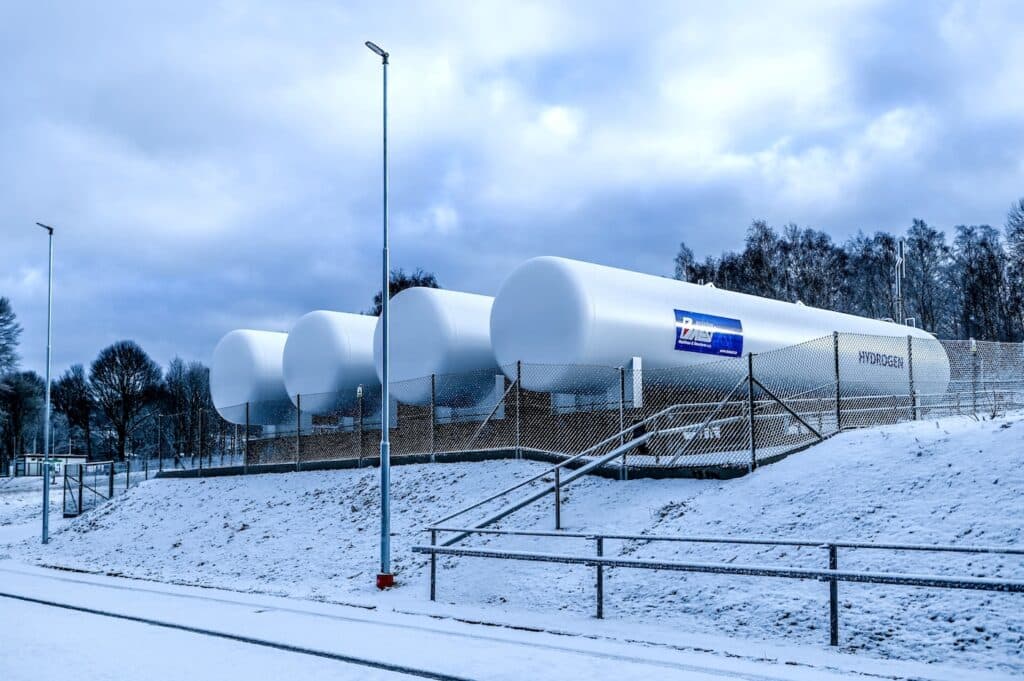
Projected development of projects focused on low-emissions hydrogen production by 2030 has fallen by almost a quarter. The International Energy Agency (IEA) presented this finding in a recently published analysis. The reasons are said to include a wave of project cancellations, cost pressures and uncertainty over the design of new policies.
According to the IEA’s Global Hydrogen Review, low-emissions production is expected to reach around 37 million tonnes of hydrogen a year by 2030, down from 49 million tonnes in the previous year, as developers have postponed or delayed some of their plans. The agency adds that actual production is likely to be somewhat lower still, as not all announced projects are expected to be completed successfully.
Low-emissions hydrogen production from projects that are operating today or have reached a final investment decision (FID) is expected to reach 4 million tonnes a year by 2030, a fivefold increase on 2024. A further 6 million tonnes of low-emissions production could be available by then if governments introduce effective policies to support demand and accelerate infrastructure development.
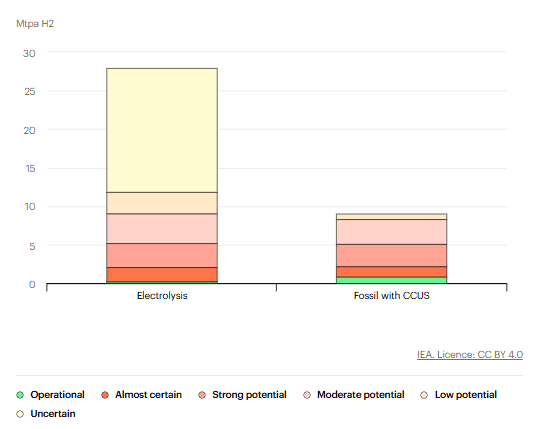
Likelihood of low-emissions hydrogen production capacity being available by 2030. Source: iea.org
High upfront costs and weak demand
Hydrogen production reached almost 100 Mt in 2024, but less than 1% was based on low-emissions technologies. The main obstacle remains worsening cost competitiveness due to the long-term downward trend in natural gas prices, which has favoured hydrogen produced from fossil fuels, while higher electrolyser prices are weighing on low-carbon projects.
The IEA nevertheless expects the cost gap to narrow by 2030 as technology costs fall and regions with strong growth in renewable energy and new regulations improve cost structures.
China is the leading developer of hydrogen electrolysers, accounting for 65% of global capacity that is installed or has reached a final investment decision, and almost 60% of global electrolyser manufacturing capacity.
Manufacturers in other countries are facing financial pressure from rising costs and the slow adoption of the technology, while Chinese companies may also face future challenges, as existing manufacturing capacity of more than 20 GW a year exceeds current demand.
Use of Chinese technology
Using Chinese electrolysers may therefore appear to offer the potential to reduce upfront investment. However, these electrolysers struggle with low efficiency and performance and need to be adapted to local standards. This can increase operating costs, which may in turn make overall hydrogen production more expensive and reduce any potential savings on investment costs.
This currently limits the global use of Chinese electrolysers, along with uncertainties related to maintenance and repairs over the equipment’s lifetime. Chinese manufacturers are now addressing many of these obstacles through innovation and exploring opportunities to expand production overseas.
Translation disclaimer
This article is a machine translation of the Czech original and has not yet been fully reviewed. In case of any doubt, please refer to the Czech version.
Sdílejte článek prostřednictvím:
You might also like

10 October 2026, 13:19
10 October 2026, 07:37
10 October 2026, 07:02