
23 October 2026, 14:38
Loading...
The Nordic-Baltic Hydrogen Corridor will connect northern Europe in the future

Zuzana Vrbová
11 September 2024, 07:22
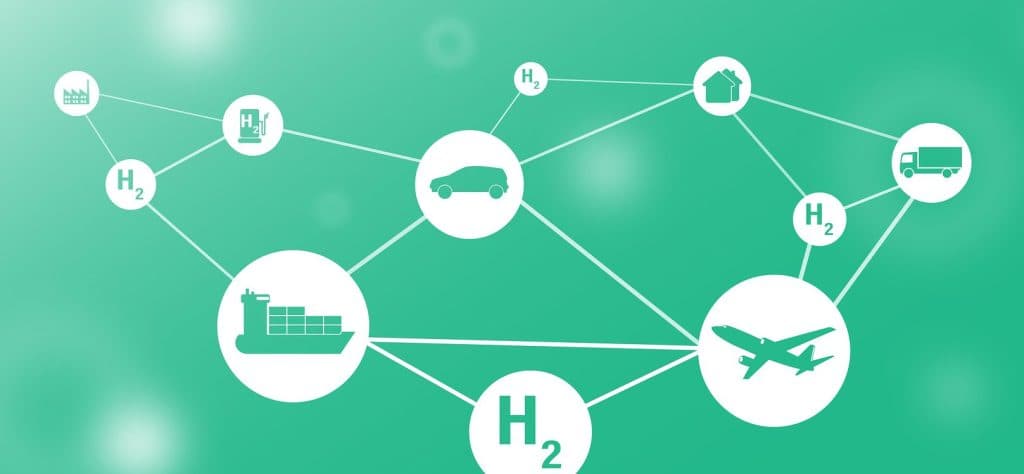
Gas transmission system operators in the Baltic states, Finland and Germany have completed a feasibility study for the Nordic-Baltic Hydrogen Corridor. Launched in January 2024, the study sets out the key requirements for developing a hydrogen transport corridor between six Nordic and Baltic countries.
As reported by CEEnergyNews, the study provides a detailed analysis of the technical, legal, organisational and economic factors needed to build the hydrogen transport corridor. According to the document, the Nordic-Baltic Hydrogen Corridor should play a key role in meeting the European Union’s decarbonisation targets.
The study highlights the significant potential for renewable hydrogen production in this part of Europe and estimates that wind and solar power could make up to 27.1 million tonnes of hydrogen available by 2040. This volume could support market development and enable hydrogen exports to the rest of Europe. The pipeline’s main purpose will be to facilitate production and, above all, the supply of renewable hydrogen.
The proposed corridor is expected to transport around 2.7 million tonnes of renewable hydrogen a year between the six participating countries by 2040. According to the feasibility study, it could become one of the first international hydrogen pipelines in Europe—although similar plans exist elsewhere, none has yet been built. The study says the pipeline would be approximately 2,500 kilometres long, with a diameter of around 48 inches (1 200 mm), and would include several compressor stations.
Completion of the project marks a milestone in cross-border energy cooperation. In the case of the Nordic-Baltic Hydrogen Corridor, producers, infrastructure operators and consumers are working together to strengthen the European hydrogen market, as highlighted by Uldis Bariss, chairman of the board of Conexus (the Latvian transmission system operator).
Strengthening Europe’s security and self-sufficiency
Officials from Estonia and Lithuania also highlighted the hydrogen corridor’s long-term benefits. According to Estonia’s energy minister, Dainius Kreivys, it will improve Estonia’s energy security, while Lithuania is on track to become a self-sufficient exporter of green hydrogen by 2050.
According to the Baltic states, the Nordic-Baltic Hydrogen Corridor is ultimately expected to play a key role in reducing carbon emissions by up to 37 million tonnes of CO2 a year by 2050, while also improving energy security across Europe. Further technical, commercial and economic assessments are planned to complete the project.
Translation disclaimer
This article is a machine translation of the Czech original and has not yet been fully reviewed. In case of any doubt, please refer to the Czech version.
Sdílejte článek prostřednictvím:
You might also like


23 October 2026, 11:01


23 October 2026, 06:34