28 October 2026, 13:08
Loading...
20 years ago, France's last coal mine closed

oEnergetice.cz, ČTK
22 April 2024, 15:13
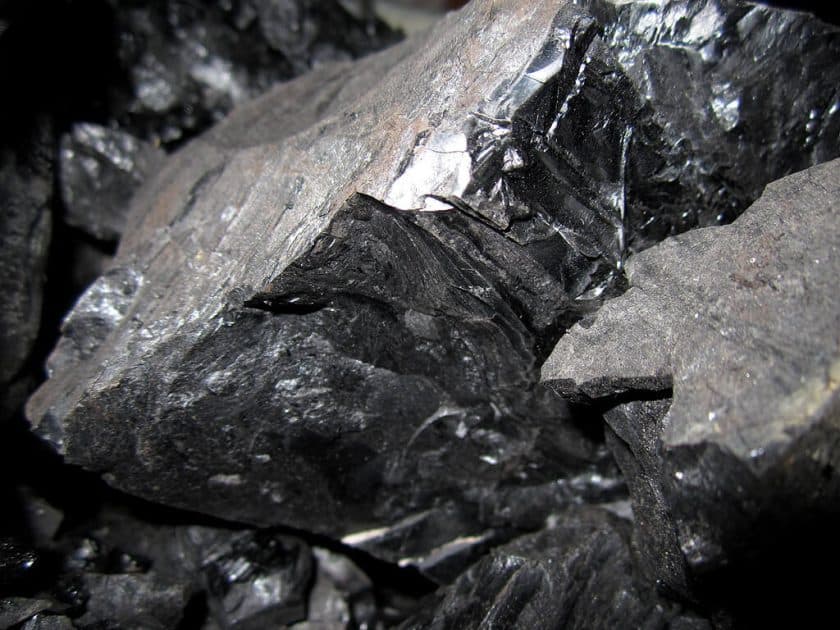
Coal mining had a 300-year tradition in France. But the mining profession gradually had to give way as the industry became unprofitable and new energy sources emerged, particularly nuclear power. France's last coal mine, La Houve, closed on 23 April 2004 in Creutzwald, near the German border.
The first coal deposit in France was discovered in the first half of the 18th century. Coal mining boomed during the Industrial Revolution and reached record levels after the Second World War.
The decline of coal mining in France began as early as 1963, the year of the last major miners' strike, and came to a definitive end twenty years later. In the years that followed, unions focused mainly on securing social benefits for miners who were laid off. Parliament passed the last law guaranteeing benefits for former miners in January 2004.

In 2002, when three mines were still operating, France produced 1.6 million tonnes of coal, compared with nearly 60 million tonnes in the record year of 1960. According to mining company Charbonnages de France, producing one tonne of coal cost 150 euros (about 5,000 Czech korunas) in 2003, compared with just 40 euros in Australia, for example. French coal was therefore uncompetitive, even though the productivity of an individual miner had recently become three times higher than in 1950.
France wants to stop using coal for energy by 2030. Two coal-fired power plants remain in the country: one in Cordemais, near Nantes, and the other in Saint-Avold in the northeast. Both can be brought back into operation if needed.
Translation disclaimer
This article is a machine translation of the Czech original and has not yet been fully reviewed. In case of any doubt, please refer to the Czech version.
Sdílejte článek prostřednictvím:
You might also like

28 October 2026, 11:10

28 October 2026, 09:08