Bulgaria suspends tax on Russian gas transit; Russian exporters had not paid it

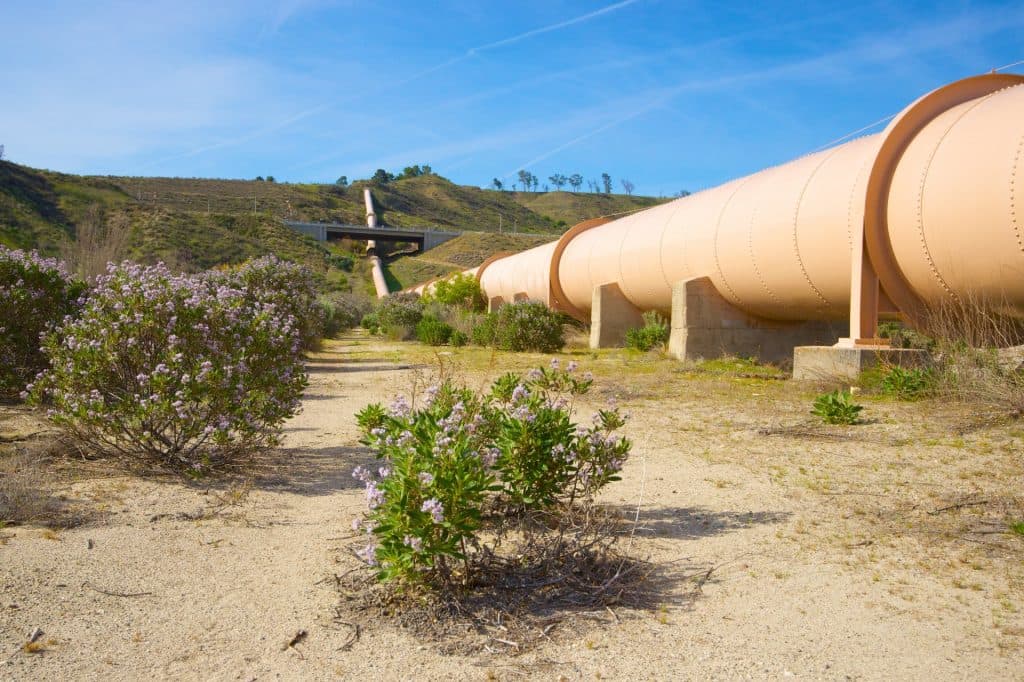
The Bulgarian government suspended the tax on the transit of Russian natural gas at the beginning of this week. The government had introduced the new tax only at the beginning of October. However, enforcing it has proved difficult and, according to available information, Russian exporters are not paying it. Hungary’s threat to veto Bulgaria’s accession to the Schengen Area also appears to have contributed to the suspension.
The Bulgarian government announced on Monday that it was suspending the tax levied on the transit of Russian natural gas through the country’s pipelines. The government had introduced the tax of 20 leva (around 10 euros) per megawatt hour on the import and transit of gas of Russian origin only in mid-October.
The move drew strong criticism, particularly from Hungary and Serbia, which receive Russian gas through Bulgaria. According to the Bulgarian prime minister, the aim was not to raise gas prices for countries along the transit route, but to reduce the profits of Russia’s Gazprom.
Two main reasons appear to have prompted the suspension of the tax. According to a source cited by Montel, Russian exporters refused to pay the new tax, rendering it ineffective. The suspension was almost as sudden as the tax’s introduction: according to the source, gas shippers transporting gas through Bulgaria learned of the move around noon on Monday.
“Everyone paid the tax except the Russians,” a source quoted by Montel said, estimating that the tax bill for the Russian exporter amounted to 138 million euros. “It was a political decision, not a gas industry decision,” the source added of the suspension of the tax collection.
According to Katja Yafimava of the Oxford Institute for Energy Studies, the suspension of the tax was expected. In addition to Russian exporters not paying it, the tax also appears to be incompatible with European legislation.
“Given that this measure was contrary to EU law, it would inevitably have failed in court,” Yafimava said.
Accession to Schengen uncertain
Another significant factor that probably led to the suspension of the tax collection was Bulgaria’s bid to join the Schengen Area. According to Financial Times sources, Hungary issued an ultimatum at Monday’s meeting of EU officials, threatening to block Bulgaria’s accession to Schengen.
“It’s our old friend Orbán again,” a diplomat directly familiar with the situation told the Financial Times. “They link all the issues and block everything,” another source told the newspaper.
The Bulgarian government said, however, that it would continue to seek a similar solution at EU level. In addition to curbing Russia’s revenues, this would put pressure on member states to reduce imports of Russian fossil fuels.
Translation disclaimer
This article is a machine translation of the Czech original and has not yet been fully reviewed. In case of any doubt, please refer to the Czech version.




