4 November 2026, 14:17
Loading...
German antitrust commission calls for end to electricity and gas price caps

Eduard Majling
11 October 2023, 14:25
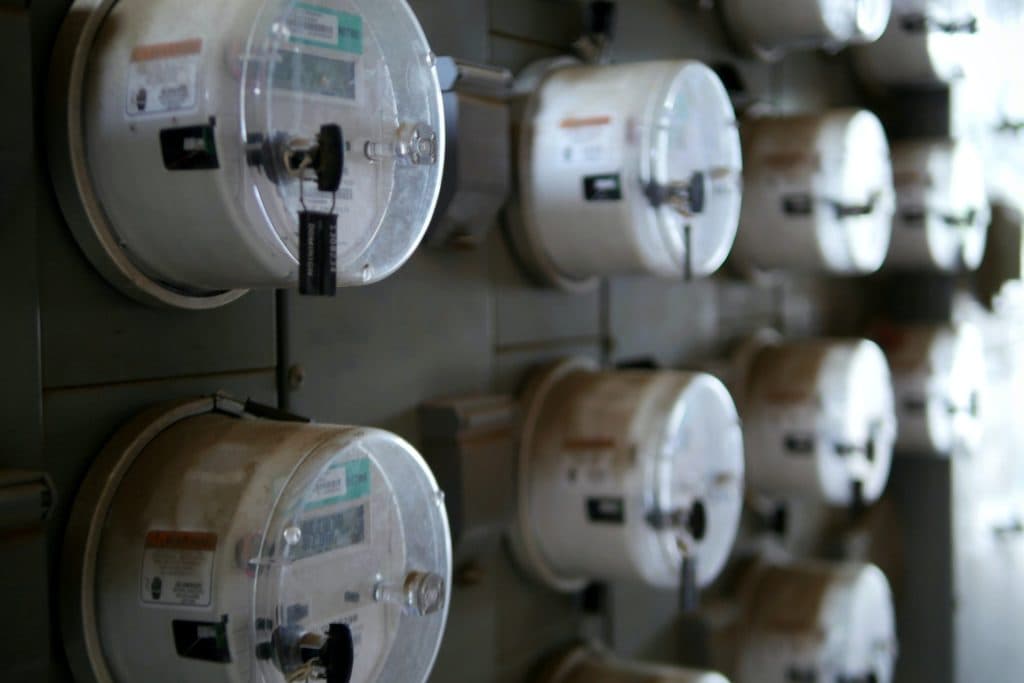
Germany’s Monopolies Commission, which advises the country’s government, has come out against extending price caps for electricity and gas consumers. The German government introduced them in response to events in the European energy market last year, when prices reached many times their usual levels. If financial support is needed, the commission recommends targeted direct aid for households.
Like other European countries, Germany considered last year how to protect households and industry from the extreme rise in wholesale electricity and gas prices. The government ultimately adopted a package of measures, the main element of which was the so-called “price brake”, a system capping prices for electricity, natural gas and heat for consumers.
Germany allocated around 200 billion euros to the scheme, which will be in force from the start of this year through the end of the year, with a possible extension until April 2024. It is still unclear what form any support might take next spring. With wholesale electricity and gas prices falling over the course of this year, calls are growing in Germany and elsewhere for the price caps not to remain in place after they expire.
The Monopolies Commission, an independent advisory body to the German federal government, takes a similar view. According to Clean Energy Wire (CLEW), the commission recommended in a recent report that the price cap system end at the close of this year. Instead of extending it, the commission proposes targeted support for consumers in need.
“If assistance is still needed after the planned expiry of the gas price brake in December 2023, direct payments to households in need are a better tool than intervention in price formation,” the Monopolies Commission said in its report, according to CLEW.
The commission also recommended continuing to diversify natural gas supplies to Germany to strengthen the country’s energy security. However, it said the potential environmental impact of expanding infrastructure for importing liquefied gas and transporting it afterwards must be taken into account.
According to CLEW, the commission also recommended introducing a capacity mechanism to ensure an adequate reserve of generating capacity during periods of low renewable output through competition among power plant operators.
Translation disclaimer
This article is a machine translation of the Czech original and has not yet been fully reviewed. In case of any doubt, please refer to the Czech version.
Sdílejte článek prostřednictvím:
You might also like
4 November 2026, 12:34


4 November 2026, 09:09