11 October 2026, 08:24
Loading...
German economy minister proposes scrapping subsidies for small solar PV systems

David Vobořil
12 August 2025, 17:08
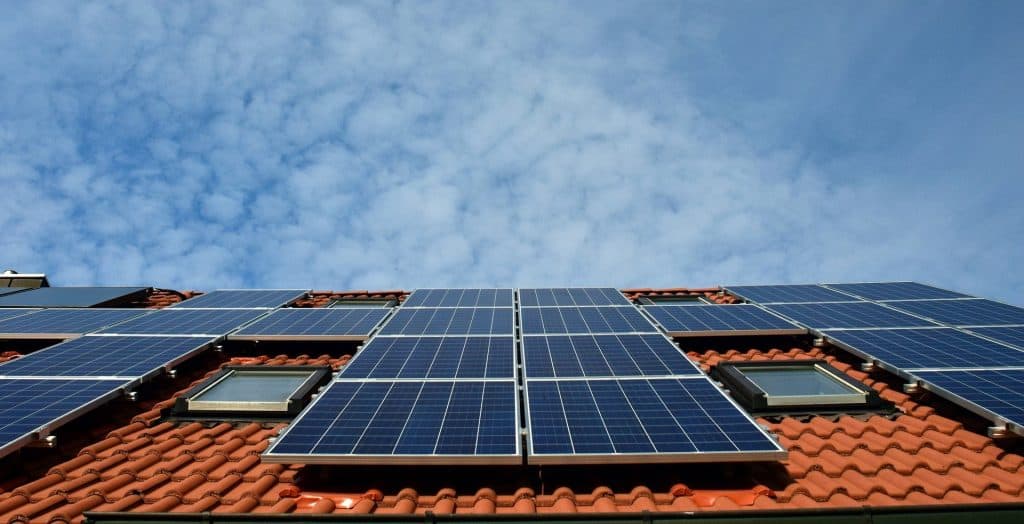
German Economy Minister Katherina Reiche is considering gradually scrapping the subsidy scheme currently available to small photovoltaic systems that feed electricity into the grid. The minister says these systems do not need support. According to the solar industry association, the move could jeopardise Germany’s climate targets.
“New small PV systems are already profitable on the market today and do not require subsidies,” Reiche said in an interview with the Augsburger Allgemeine newspaper, referring to private photovoltaic installations, for example on rooftops, without specifying their size. Existing solar installations would continue to receive the support already agreed, Reiche said.
Until now, homeowners with rooftop solar systems have been guaranteed operating support for 20 years for electricity fed into the grid, depending on the size of the solar plant and when it began operating. The aim is to encourage the construction of these sources. The level of this support has gradually decreased in recent years as the cost of purchasing solar systems has fallen.
In their coalition agreement, the parties in government said they wanted to ensure that renewable electricity generators could fully finance themselves on the market in the long term. Further expansion and the installation of adequate storage capacity should also be achieved through greater use of market-based instruments.
The solar industry association BSW said such a plan would jeopardise climate targets and seriously harm the sector. The group called on the government to focus on tasks such as rapidly expanding photovoltaics across all market segments, as well as storage and power grids, “instead of engaging in harmful debates about slowing the pace of the energy transition in photovoltaics”.
Minister Reiche wants to change the regulatory framework so that renewable energy sources feed electricity into the grid in a controlled way. This would mean, for example, equipping small photovoltaic systems with batteries and requiring them to sell their electricity on the market. Many small rooftop systems currently feed electricity into the grid in an uncontrolled way, putting a strain on the grid.
The expansion of renewable energy should also be coordinated with grid expansion, because if this is not taken into account, “our electricity system will be unnecessarily expensive”, the minister said.
“Onshore wind farms and solar power plants will have to contribute more to the costs of grid expansion in the future,” Reiche told the Augsburger Allgemeine.
The Ministry of Economic Affairs plans to present a so-called energy policy “reality check” by the end of the summer, aimed at coordinating the expansion of renewable energy with grid expansion. The report will examine forecasts for electricity demand, power system development and other key energy trends.
Translation disclaimer
This article is a machine translation of the Czech original and has not yet been fully reviewed. In case of any doubt, please refer to the Czech version.
Sdílejte článek prostřednictvím:
You might also like
10 October 2026, 13:19

10 October 2026, 07:37

10 October 2026, 07:02