11 October 2026, 08:24
Loading...
Germany faces pressure to strengthen system stability. BNetzA calls on government to act

David Vobořil
12 August 2025, 06:16
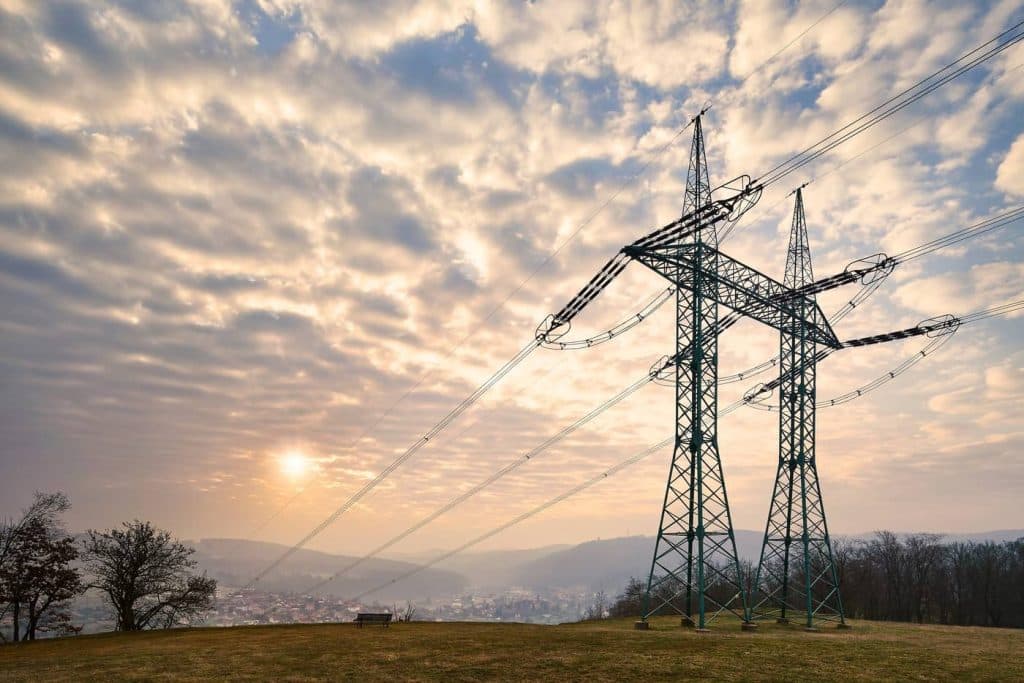
A shortage of dispatchable generation and weak legal foundations for supporting new power plants are the main threats to the secure operation of Germany’s transmission grid. Transmission system operators and Germany’s energy regulator, BNetzA, warn that without swift political decisions, the risk of grid emergencies will rise significantly over the next decade.
In a recent report assessing the stability of Germany’s electricity system, German transmission system operators identified a number of risks associated with the ongoing transformation of the energy sector. In response to the operators’ 37 specific recommendations, Germany’s network regulator (BNetzA) issued a statement dividing the proposals into eight thematic areas.
BNetzA identified three of these areas as priorities, as the regulator says they face the greatest pressure for a swift response. They are securing short-term flexibility in the system, rapidly securing new dispatchable generation capacity, and amending the legal framework for building backup power plants.
The report also warns that without these steps, it will become increasingly difficult to maintain stable grid operation, particularly during periods of low renewable energy output and peak demand.
BNetzA: Problems loom without a new legal framework
BNetzA is calling on the government to urgently establish a legal framework for building backup power plants, which could help bridge periods of low renewable energy output and outages at dispatchable power plants. At present, there is insufficient legal certainty for these investments, deterring both investors and operators.
The German government plans to build 20 GW of new gas-fired power plants, but their development is being held up precisely by the lack of a framework. It has also yet to decide how these plants will be funded—through a capacity market, auctions or another mechanism. BNetzA warns that without a legal framework for building power plants, a significant shortfall in secured capacity could emerge from the mid-2030s.
"If sufficient dispatchable generation capacity is not available, it is impossible to maintain a stable grid frequency in the interconnected European grid, posing a threat to system security," BNetzA says in the report.
Requirements for new gas-fired power plants
The report also stresses that new backup gas-fired power plants will have to meet specific requirements to effectively support the grid. These include a high degree of flexibility (rapid start-up and output adjustment), the ability to operate in island mode, and the option to switch to hydrogen or other climate-neutral fuels in the future.
Translation disclaimer
This article is a machine translation of the Czech original and has not yet been fully reviewed. In case of any doubt, please refer to the Czech version.
Sdílejte článek prostřednictvím:
You might also like

10 October 2026, 13:19
10 October 2026, 07:37

10 October 2026, 07:02