6 November 2026, 14:13
Loading...
Household energy prices in Slovakia will not rise, economy minister says

oEnergetice.cz, ČTK
6 December 2023, 11:28
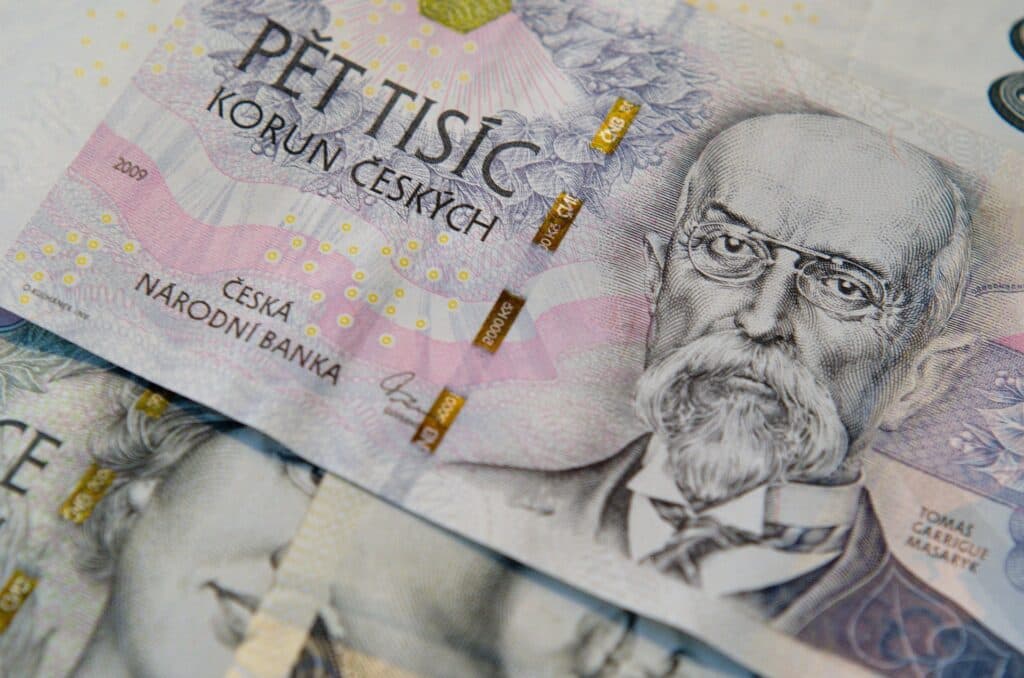
Bratislava, 6 December (ČTK) – Electricity prices, natural gas and heating costs for households in Slovakia will not rise next year, Economy Minister Denisa Saková told reporters today. Distribution charges for businesses, which are part of their total energy bills, will not increase either. The state will allocate compensation of 1.25 billion euros (30.5 billion Kč) to keep prices unchanged.
The previous Slovak government had already introduced compensation for high energy prices and agreed on low-cost electricity supplies from the country's largest electricity producer. As a result, electricity and gas prices for households in Slovakia rose much less this year than they would have if market price movements had been fully passed on.
Slovakia's energy regulator ÚRSO warned this year that energy prices for households would rise sharply next year unless the government introduced measures again. Market prices remain above Slovakia's current price cap.
„Prices for electricity, gas and heating for households and selected vulnerable entities will not change. No one will see an increase in prices on their bill,“ Saková said.
Energy costs, together with food, account for the largest share of Slovak household expenditure.
According to the minister, distribution charges will also be frozen for businesses, both for electricity, where they would otherwise rise by 20 percent, and for gas. Under normal circumstances, gas charges would increase by six percent.
The state will once again have to compensate for keeping regulated prices and charges unchanged, at a time when public finances are in poor shape. For this year, the previous government allocated 3.5 billion euros (85 billion Kč) to curb rising energy prices and provide partial compensation for businesses.
Like last year, ÚRSO has already issued several decisions on energy prices for next year that would result in increases. However, these decisions will not take effect because the government will use its power to regulate prices. Slovakia's new Prime Minister Robert Fico criticized ÚRSO chief Andrej Juris over the decisions, and the government dismissed him from the post on Monday.
In Slovakia, ÚRSO and the government regulate not only distribution and other energy charges, but also the commodity price itself for households and other groups of so-called vulnerable customers.
In the Czech Republic, the Energy Regulatory Office (ERÚ) has ruled that the regulated part of electricity prices for households will rise by 65.7 percent year on year next year, while the regulated part of gas prices will increase by 38.8 percent. According to ERÚ, the increase in the regulated component of final prices will be offset by this year's decline in the suppliers' commercial component.
Businesses and entrepreneurs in Czechia are expecting a more significant rise in energy costs. The regulated part of electricity prices will increase year on year by 105.5 percent at the high-voltage level and by 190.9 percent at the very-high-voltage level. Regulated gas prices for large customers will rise by 41.8 percent year on year.
Translation disclaimer
This article is a machine translation of the Czech original and has not yet been fully reviewed. In case of any doubt, please refer to the Czech version.
Sdílejte článek prostřednictvím:
You might also like
6 November 2026, 10:25