Hungary: A new government and a shift in climate policy?

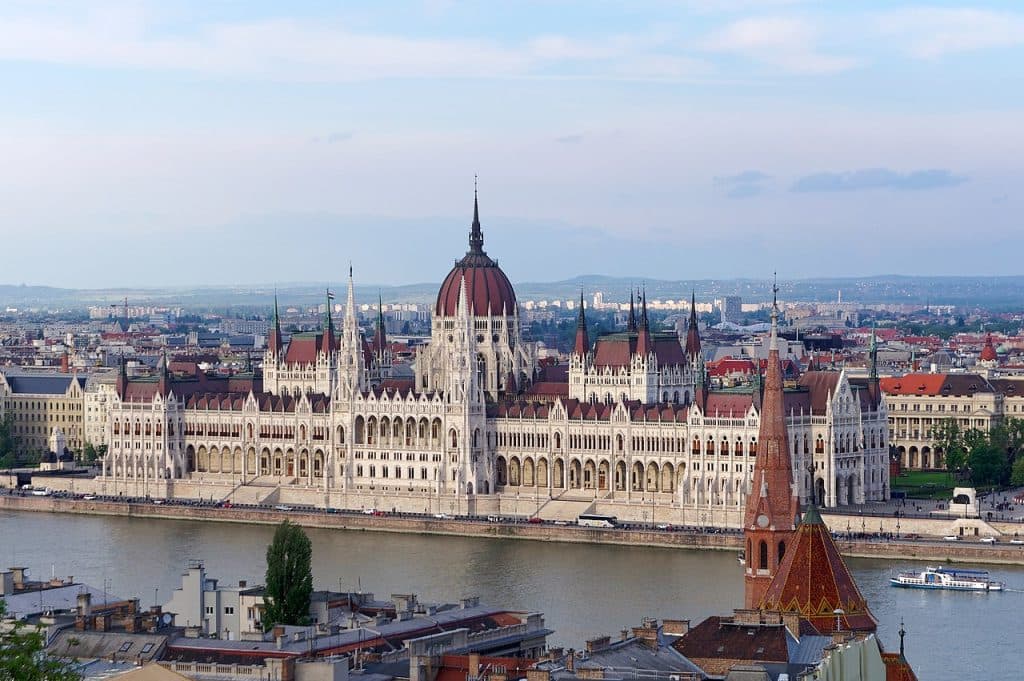
The election results in Hungary mark a major political shift, bringing Viktor Orbán’s 16-year rule to an end. Will the new government of Péter Magyar’s Tisza party change the country’s approach to climate policy, energy independence and effective environmental regulation of industry?
Magyar, a former member of Orbán’s Fidesz party, campaigned on a pro-European, reform-oriented platform and promised to restore strained relations with Brussels. As Euro News reported, a central plank of his programme is a commitment to depoliticise environmental issues by strengthening independent institutions and enforcing tougher regulations on polluting industries.
Magyar’s party has stressed that economic competitiveness should not come at the expense of public health or environmental protection. The incoming prime minister has also pledged to phase out dependence on Russian energy imports by 2035 and aims to double the country’s share of renewable energy by 2040, building on Hungary’s progress in solar power and its move away from coal. Closer cooperation with the EU could also unlock billions in frozen funds earmarked for green investment.
Magyar has also pledged to crack down on controversial battery factories, many of them foreign-owned and facing criticism over pollution and inadequate oversight. His government plans to introduce greater transparency and stricter environmental inspections, which could curb practices that have sparked protests and legal disputes in Hungary. These have involved air pollution, groundwater contamination and illegal waste disposal at some of the plants.
Water management will be another priority for the new cabinet. Hungary is facing increasingly severe droughts and heatwaves, river levels are falling to historic lows and the agricultural sector is suffering losses. The new government is reportedly planning to invest in water retention systems, modern irrigation and climate-resilient agriculture. Although some infrastructure projects were launched under Orbán, Magyar has criticised the reliance so far on short-term subsidies instead of long-term solutions.
Translation disclaimer
This article is a machine translation of the Czech original and has not yet been fully reviewed. In case of any doubt, please refer to the Czech version.




