Imports of solar panels from China to Africa rose by six gigawatts in a year
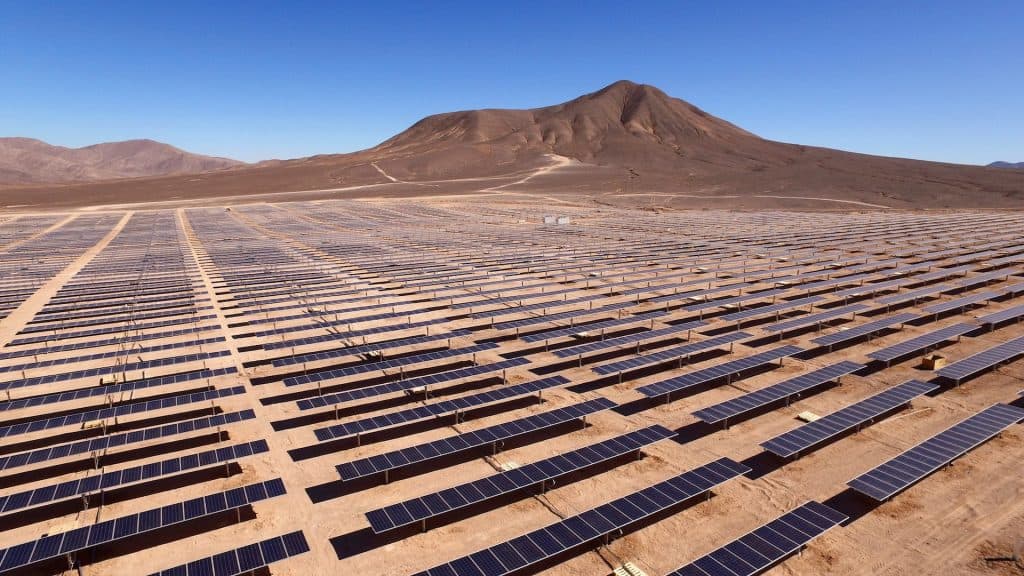
According to think tank Ember, imports of solar panels from China to Africa rose sharply year on year in July. Ember analyzed Chinese export data, which show that Africa imported up to 15 GW of solar panels this year, 6 GW more than the previous year.
The think tank says this is the first sign of a wider expansion of solar energy on the continent. Africa has so far been surprisingly slow to adopt solar power, but the latest data confirm a growing trend. Shipments rose in twenty African countries.
Countries such as South Africa, Zambia, Namibia and others have long faced problems with electricity supply. The energy mix in many African countries is still based primarily on older coal-fired power plants, while also being constrained by outdated or nonexistent transmission infrastructure. In Zambia, for example, drought has also significantly reduced the available output of hydropower plants.
Despite the positive trend, the analysis notes that growth is still far from reaching its potential. For comparison, Pakistan imported more solar panels by total capacity than the entire African continent. The data track only exports from China to Africa and note that some of the goods may be re-exported.
The African context
China accounts for around 80% of global solar panel manufacturing, so these figures are highly informative even though they come from just one country. Some African countries are, however, seeking to develop their own industries and gradually reduce their dependence on Chinese imports. Morocco and Nigeria are particularly noteworthy. Domestic manufacturing capacity is being developed in both countries. Nigeria even announced a plan this year to gradually ban solar panel imports in order to strengthen local production.
Morocco has doubled its domestic production to 1 GW a year, thanks to investment from Italy; South Africa has similar manufacturing capacity. Algeria, however, recorded the biggest jump in imports, going from almost zero to 1.2 GW in a single year. The Biskra project, with an installed capacity of 300 MW, played a major role. It is the first of seven planned power plants under the Solar 1000 program.
Solar energy has enormous, long-untapped potential in Africa. The continent, particularly its northern region, has more hours of sunshine than anywhere else in the world, making solar energy an ideal renewable source for the region. Africa also produces raw materials needed to manufacture solar technologies, which is why some countries are seeking to gradually build their own industrial base.
Translation disclaimer
This article is a machine translation of the Czech original and has not yet been fully reviewed. In case of any doubt, please refer to the Czech version.




