23 October 2026, 14:38
Loading...
Israel at a crossroads: Energy security in the context of the war with Iran

Libor Láník
7 March 2026, 13:28
Energy security is becoming one of the key issues in Israel’s current war with Iran. The escalation of the conflict in the Persian Gulf and disruptions to energy commodity supplies have once again highlighted the vulnerability of global and regional energy systems. According to technology entrepreneur Eliahu Drori, CEO of startup Organuz, the current crisis could provide the impetus for a fundamental transformation of Israel’s energy sector.
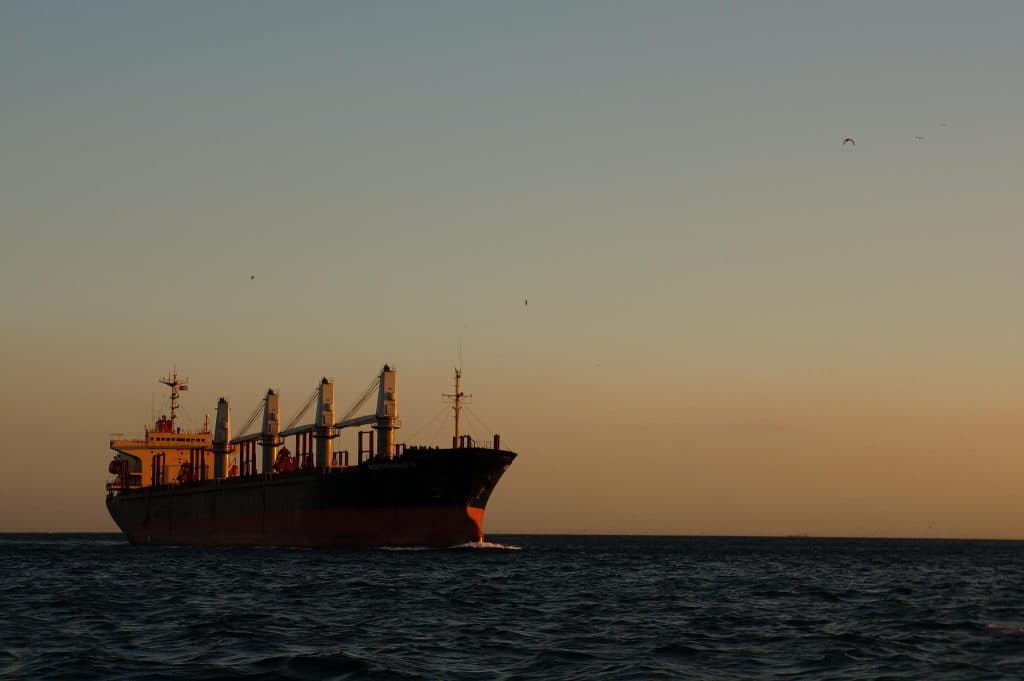
Tensions in the region have also been reflected in global markets. In connection with the conflict and the threat of disruptions to energy transport in the area of the Strait of Hormuz, oil and gas prices have risen sharply, which analysts say could have broader economic implications. According to Drori, such shocks show how risky it is to rely on centralised energy systems and fossil fuels over the long term.
Israel has significantly increased its dependence on natural gas in recent years. Approximately 70 % of the country’s electricity comes from gas-fired power plants, while renewables account for a much smaller share of the energy mix. According to Drori, this strategy was originally intended as a temporary solution, a kind of “bridge” to a more modern energy sector. Gradually, however, it has become a long-term dependency.
Rapid growth in electricity consumption
Growing electricity demand further complicates the situation. Israel is facing rapid growth in consumption due to the development of data centres, electric mobility and demographic growth. If the energy model does not change, Drori says this could lead not only to higher prices but also threaten the stability of the entire system.
In his view, the solution could be a shift to a decentralised energy model. Local energy networks, known as microgrids, should play a key role, enabling critical infrastructure such as hospitals, desalination facilities and military bases to operate even if the central grid fails. These systems would combine solar power with battery storage.
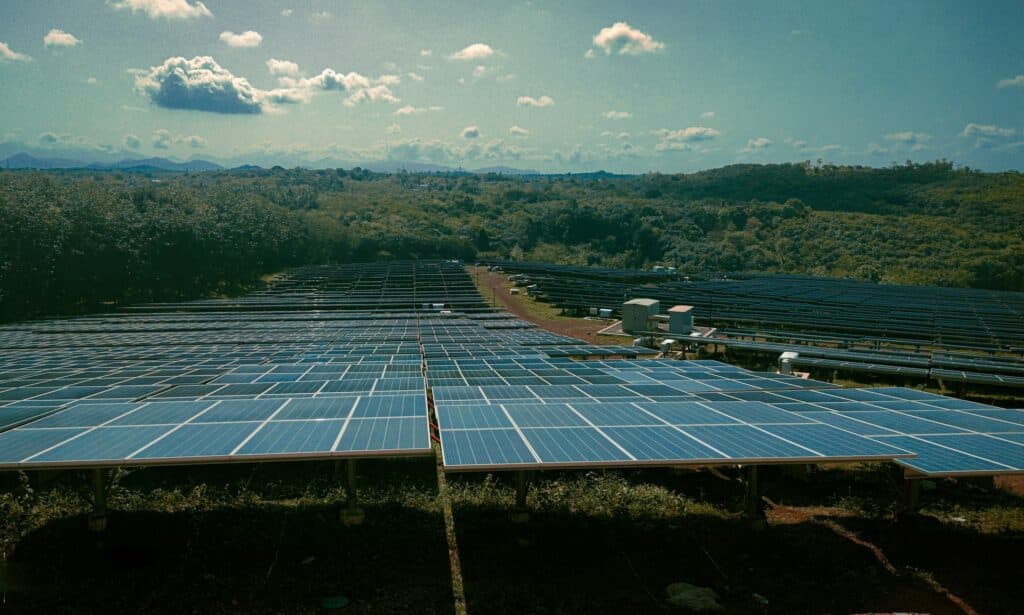
This strategy should also include broader integration of solar power into urban and industrial environments. According to Drori, the roofs of factories, public buildings and car parks could be transformed into small power plants. He also points to the potential of agrivoltaics, the combination of agriculture and solar panels on the same land.
More than strengthening energy security
According to Drori, the energy transition would not only strengthen Israel’s security. It could also open up new economic opportunities. If the country became a “living laboratory” for decentralised energy, it could export its technological know-how to other countries.
According to Drori, the current crisis therefore represents a historic moment. In his view, Israel must choose between continued dependence on traditional energy sources and the ambition to become a leader in a new energy era based on renewables, technological innovation and greater resilience to geopolitical shocks.
Translation disclaimer
This article is a machine translation of the Czech original and has not yet been fully reviewed. In case of any doubt, please refer to the Czech version.
Sdílejte článek prostřednictvím:
You might also like

23 October 2026, 11:01
23 October 2026, 06:34