Italy wants to cap gas prices for power generation. It has secured preliminary approval from the EU

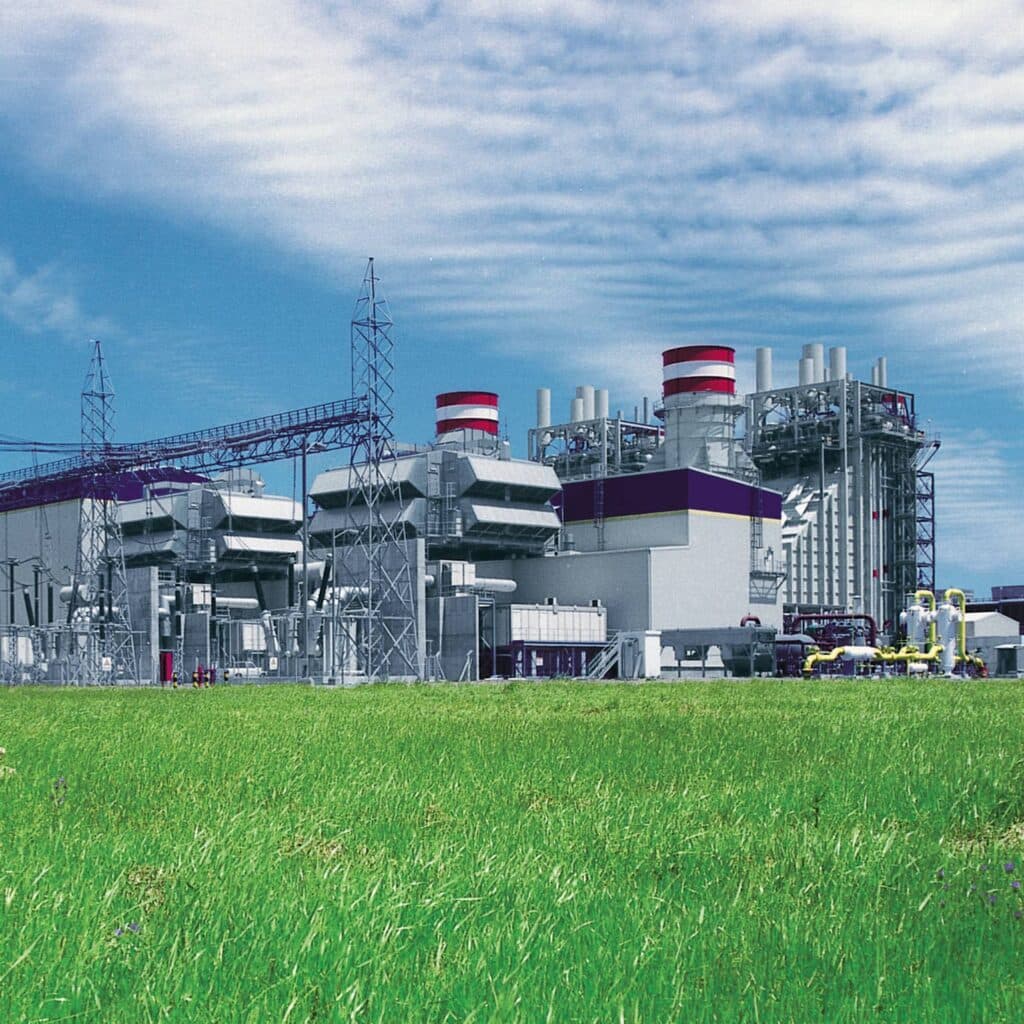
The European Commission has given preliminary approval to Italy’s plan to cap the price of gas used to generate electricity. The mechanism is intended to soften the impact of more expensive gas on wholesale electricity prices, but it will not cover the cost of emissions allowances. The difference between the market price of the fuel and the set cap will nevertheless have to be paid by someone.
Italy is preparing a temporary mechanism that would set a maximum gas price for power plants at around EUR 60/MWh. In designing the measure, the government drew inspiration from the so-called Iberian exception, introduced by Spain and Portugal in 2022. According to Italian Energy Minister Gilberto Pichetto Fratin, the measure could cut energy bills by ten percent.
The cap is intended to limit the pass-through of gas prices to electricity
The aim of the intervention is to influence the formation of wholesale electricity prices. The price of electricity on the market is usually set by the last source needed to meet demand; in Italy, this is typically a gas-fired power plant. As a result, rising gas prices are normally reflected in the price of electricity generated from other sources as well. Capping the cost of gas used for power generation is intended to limit this pass-through.
Italy is among the EU countries where gas accounts for a significant share of electricity generation. Gas-fired power plants provide nearly half of the country’s electricity. The impact of rising gas prices is therefore felt across the entire market, not just in the costs of gas-fired plants themselves.
If the actual price of gas exceeds the set cap, the state is to reimburse gas-fired power plant operators for the difference. The cost of compensation is according to Argus to be passed on to consumers through additional charges on energy bills. A lower wholesale electricity price therefore does not in itself mean that households and businesses will see their overall costs fall by the same amount.
The agreement provides for an initial term of one year, followed by a six-month phase-out of the mechanism. The Italian minister said the European Commission wants to speed up the process and that the mechanism could start operating in January. Before that can happen, the Italian government must prepare the final text and submit it to Brussels for assessment under EU state aid rules.
Allowances remain outside the agreement
The compromise covers only higher gas costs. The Commission rejected the inclusion of compensation for the cost of emissions allowances under the EU ETS. The power plants concerned must purchase allowances based on the amount of carbon dioxide they emit. According to the Commission, including them in the compensation would weaken the price signal intended to encourage a shift from fossil fuels to cleaner sources.
The Italian government had also sought a broader intervention in the emissions trading system. Italian officials wanted the EU to assess its economic and social impacts, and also called for a delay to the introduction of ETS2, which is set to apply to fuels used for building heating and road transport. The final document does not include a delay. The agreement therefore addresses part of the cost problem, but not the dispute over the overall shape of European climate policy.
Translation disclaimer
This article is a machine translation of the Czech original and has not yet been fully reviewed. In case of any doubt, please refer to the Czech version.