Sub-Saharan Africa expands its LNG export capacity
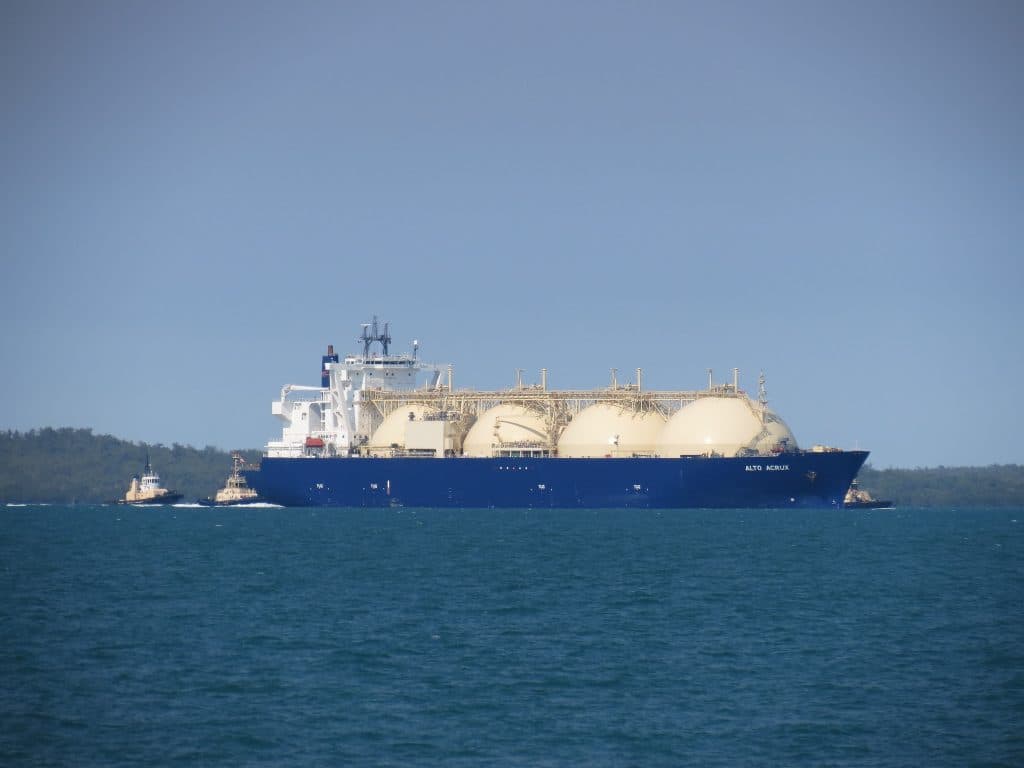
The center of gravity in global liquefied natural gas trade is gradually beginning to shift. While traditional African gas hubs in North Africa, especially Egypt and Algeria, remain important suppliers, an increasing share of new LNG capacity is being developed south of the Sahara. A substantial portion of the additional volumes for the global market, and particularly for Europe, is expected to come from there over the next decade, Oilprice reports.
According to available estimates, LNG exports from sub-Saharan Africa could increase by around 175% by 2034, from just under 36 billion cubic metres in 2024 to approximately 98 billion cubic metres a year. In absolute terms, this does not put the region ahead of others, but it represents a significant increase that is gradually reshaping the market balance.
Projects reshaping the LNG map
Sub-Saharan Africa’s growth is backed by concrete investment decisions. Nigeria is playing the most prominent role, having approved more than eight billion dollars’ worth of gas projects over the past 18 months or so. The country is expanding the export capacity of the Nigeria LNG terminal, building new gas pipelines and strengthening infrastructure needed to supply both domestic and international customers.
On Africa’s west coast, Senegal and Mauritania became LNG exporters in 2025 through their joint Greater Tortue Ahmeyim (GTA) project. The project is led primarily by the UK’s BP and US-based Kosmos Energy, alongside state-owned companies from both countries. The first phase, with capacity of around 2.3 million tonnes of LNG a year, is operational, and a further expansion is in preparation, although it is still awaiting a final investment decision.
East Africa has even greater ambitions. Mozambique has some of the largest gas reserves in the world, and after years of delays, projects worth tens of billions of dollars are getting back on track. European companies play a key role—particularly France’s TotalEnergies, which is leading the Mozambique LNG project, with an investment of around 20 billion dollars, and Italy’s Eni, behind the Coral South floating LNG terminal. It is Africa’s first floating LNG facility and is already exporting gas to global markets.
Tanzania, meanwhile, is close to approving the Likong’o LNG project, involving Shell and Norway’s Equinor. The investment could exceed 40 billion dollars and become the largest foreign investment in the country’s history. Under current plans, production could begin toward the end of the decade.
Europe as the main buyer of new volumes
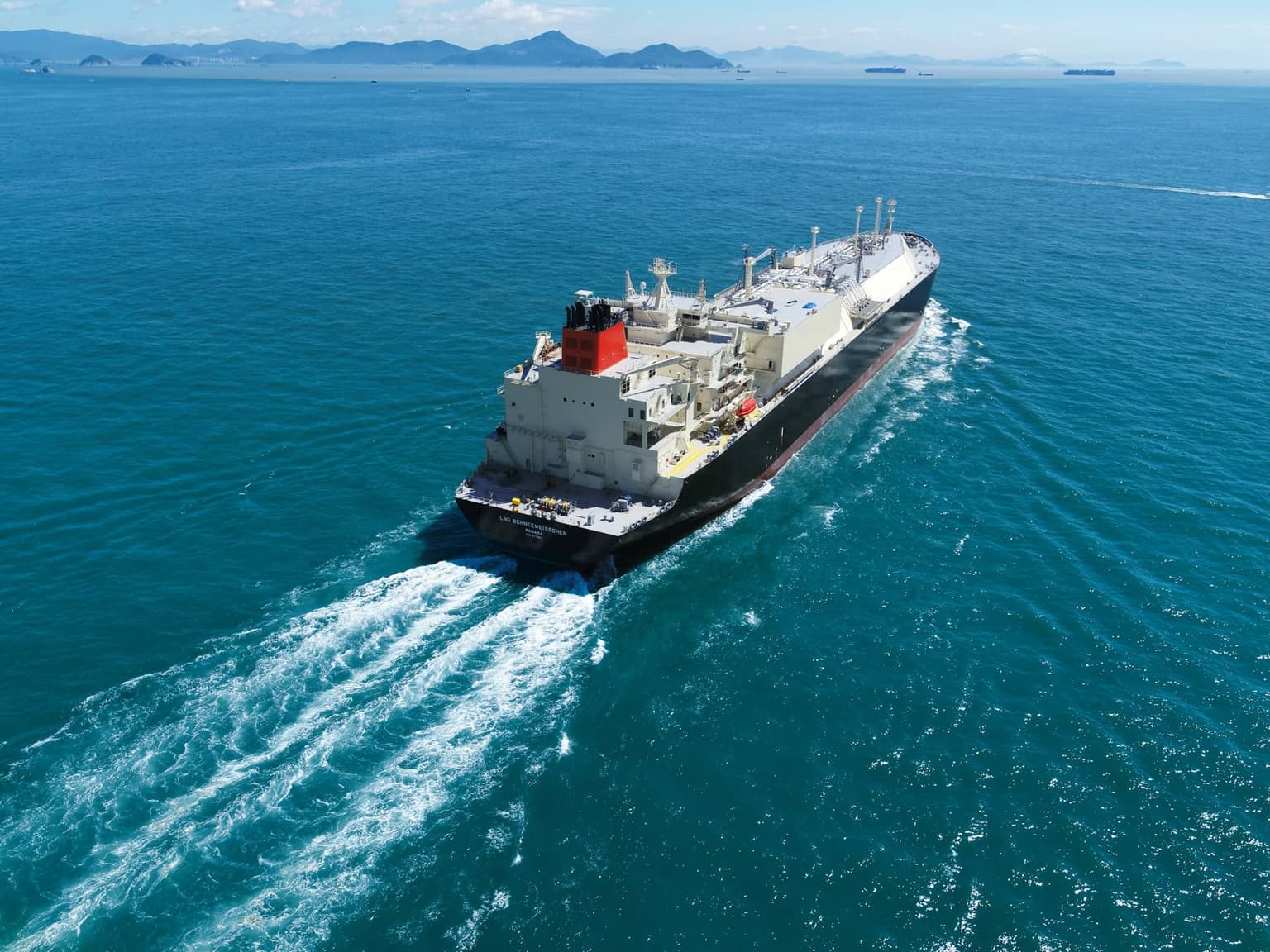
African LNG is becoming more important primarily because of Europe. After cutting back supplies from Russia , Europe became one of the world’s largest importers of liquefied gas, and its imports rose by around 30% year on year in 2025. LNG is gradually becoming a key complement to, and replacement for, traditional pipeline gas flows. Price signals in 2025 also meant that a significant share of flexible cargoes headed to Europe rather than Asia.
Although the United States remains the dominant supplier, accounting for more than 77% of European imports, new African volumes are expected to gradually reduce this dependence—especially in the Mediterranean and southern Europe.
The growth in imports is already affecting price dynamics. In 2025, the spread between LNG prices and the European benchmark trading hub TTF widened, pointing more to an oversupply than to an acute gas shortage. This puts greater pressure on regasification infrastructure and leads to wider price differences between European regions.
An opportunity, but also a significant risk
However, the growing role of sub-Saharan Africa is not an entirely positive story. LNG projects on the continent involve a high level of investment risk, ranging from security instability and weak institutions to political uncertainty. Even strategic projects backed by major international companies can face lengthy delays, cost overruns or a loss of public support.
A typical example is TotalEnergies’ Mozambique LNG project, which was halted after an Islamist attack in 2021 and still faces security, legal and reputational challenges. TotalEnergies has resumed the project, but the withdrawal of funding by the UK and the Netherlands shows that even projects considered pillars of future exports can run up against security and political constraints in Europe.
One thing is clear: if the current projects are completed, LNG flows will increasingly be shaped south of the Sahara in the years ahead. This is not yet a fundamental redrawing of the global gas map, but a gradual shift in the center of gravity that could have major long-term implications for Europe and the global market.
Translation disclaimer
This article is a machine translation of the Czech original and has not yet been fully reviewed. In case of any doubt, please refer to the Czech version.