
23 October 2026, 14:38
Loading...
UK activists call for halt to North Sea oil and gas expansion
Klára Čeperová
24 August 2024, 08:39
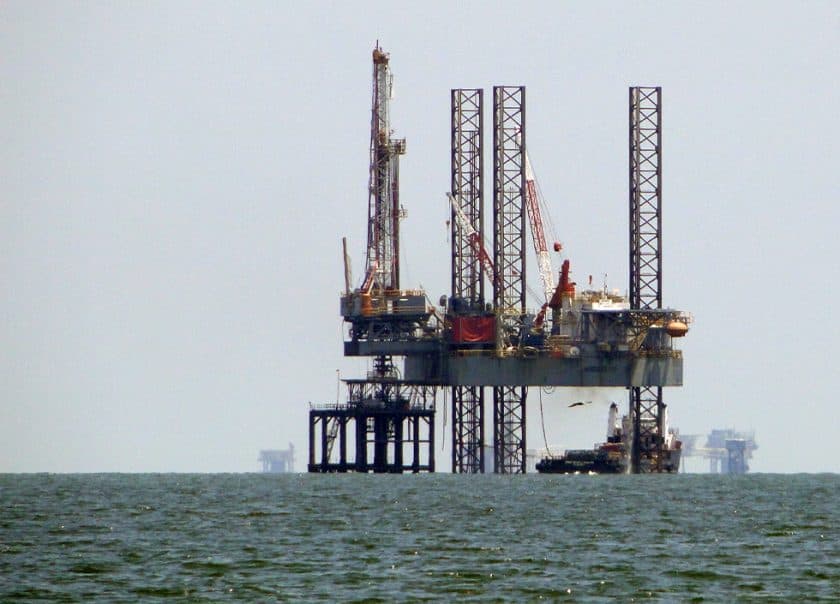
An environmental organisation has challenged in court the British decision to issue dozens of new oil and natural gas production licences. It says ministers unlawfully failed to take the impact on marine life into account.
Oceana UK has filed a lawsuit over 31 licences issued in May this year by the previous British government as part of the latest round of oil and natural gas licensing in the North Sea. Norway is also planning to increase oil production in the North Sea. Euractiv reports.
Net zero strategy
Exploration licences do not necessarily lead to the creation of a production field, although environmental groups argue that expanding oil and natural gas production is incompatible with the government’s goal of becoming a net-zero carbon economy by 2050.
The Net Zero Strategy and Powering Up Britain, both aimed at reducing net carbon dioxide emissions to zero, were adopted by the previous government.
However, the Climate Change Committee, which conducts an annual assessment of policies contributing to the 2050 net zero target and submits it to Parliament, said last year in its 2023 Progress Report that confidence in the UK’s ability to meet its interim targets on the path to 2050 had fallen.
Three-quarters of energy comes from oil and gas
Last year, oil and gas accounted for around 74% of the UK’s total energy needs—in transport, heating, industry and power generation. Since 2022, gas demand has fallen by 11% while oil demand has risen by 2%, mainly because more planes were flying after the pandemic.
Production from UK waters met 47% of gas demand and 57% of oil demand last year. BBC News, which reported the figures, notes that these are net figures. Much of the oil is sent overseas for refining, while Britain buys back refined products originating from many different places.
Even under the “balanced pathway” to net zero by 2050 set out by the Climate Change Committee, oil and natural gas will continue to provide a fifth of this energy by mid-century. Emissions from these energy sources will have to be fully offset, largely through carbon capture and storage.
The lawsuit
In one respect, Oceana is fighting specifically to cut emissions and reduce production. Along with other members of the Ocean Alliance Against Offshore Drilling, it wrote to UK Energy Secretary Ed Miliband this week, asking him to acknowledge Oceana’s legal challenge.
“By acknowledging the lawsuit, the government can honour its promises to the public and signal a clear departure from the ongoing dependence on fossil fuels promoted by the previous government,” they wrote.
The UK Department for Energy Security and Net Zero declined to comment.
The chicken or the egg
Oceana’s case is the latest challenge involving fossil fuels, as activists increasingly turn to the law to push governments to move faster on emissions reductions, with varying degrees of success.
One can only assume that they believe putting pressure on production to fall will reduce consumption of these resources and make room for renewables.
The production industry, however, argues the opposite. As long as there is public demand for these resources and they remain an integral part of the energy mix, production will remain high. This is true not only of the UK.
Sufficient capacity therefore needs to be built to meet energy demand; otherwise, imported LNG, which has an even larger carbon footprint, will replace the oil and gas currently produced in the UK.
Translation disclaimer
This article is a machine translation of the Czech original and has not yet been fully reviewed. In case of any doubt, please refer to the Czech version.
Sdílejte článek prostřednictvím:
You might also like


23 October 2026, 11:01


23 October 2026, 06:34