
23 October 2026, 11:01
Loading...
United Kingdom wants to raise taxes on energy companies
Klára Čeperová
7 November 2024, 10:31
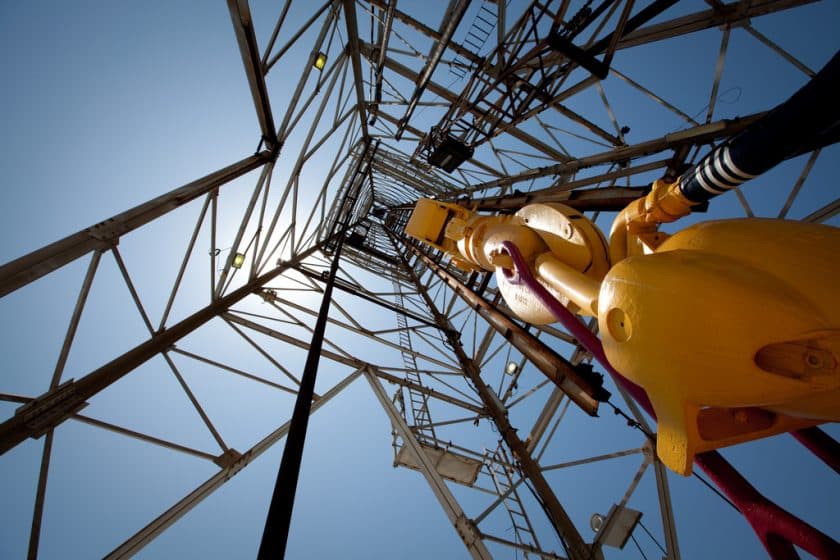
The British government plans to raise the rate of tax on energy profits. Shell, one of the last companies producing oil in the UK North Sea basin, said it had "worked constructively with the government over the last few years on alternative fiscal regimes to support the future of the North Sea and the UK’s energy transition".
Rachel Reeves used the first Labour budget in almost 15 years to raise the main rate of the Energy Profits Levy by three percentage points to 78% by 2030 and close a “loophole” left by the previous government that allowed fossil fuel producers to reduce their tax bills through investment allowances. The Guardian reports.
The government has also pledged to consult with the industry early next year on how its tax regime for oil and natural gas after 2030 could support investment in the sector and respond to changes in oil prices.
"Elected officials simply have to balance budgets in the best way they see fit. We have to look for policies that provide certainty... We invest for the long term," said Shell chief financial officer Sinead Gorman.
Last man standing
Shell is one of the last remaining “oil majors” in the ageing UK North Sea basin, where large and small oil producers have been leaving in recent years, partly due to tax changes in the United Kingdom, including the introduction of the Energy Profits Levy in May 2022.
Shell’s latest reported financial results showed that the oil company posted a better-than-expected profit of 6 billion dollars (4.6 billion pounds) in the quarter from July to September, despite weaker oil prices, thanks to higher gas sales.
Shell’s adjusted profit for the period fell from 6.2 billion dollars in the same months last year, but was still higher than the 5.36 billion dollars forecast by industry analysts.
Energy transition?
"We agree that the world needs urgent action on climate change. Shell plays an important role in the energy transition by supplying the energy needed today while helping to build the low-carbon energy system of the future," a Shell spokesperson said.
Shell’s results, however, revealed a slowdown in investment in renewable energy, which fell to just 8% of the oil company’s total spending budget in the last quarter, after the company scaled back its carbon emissions targets in March.
Shell spent 409 million dollars on renewables and energy solutions out of total capital expenditure of nearly 5 billion dollars.
Mark van Baal, founder of shareholder activist group Follow This, said that the focus on fossil fuels “threatens the company’s future”.
Shell told The Guardian that, in addition to investing 8% of its capital expenditure in renewables, it was also investing significantly in electric vehicle charging and biofuels through another business unit, which does not break down those investments. The company added that it remained on track to spend USD 10–15 billion on low-carbon energy solutions between 2023 and the end of 2025.
Translation disclaimer
This article is a machine translation of the Czech original and has not yet been fully reviewed. In case of any doubt, please refer to the Czech version.
Sdílejte článek prostřednictvím:
You might also like


23 October 2026, 06:34

