11 October 2026, 08:24
Loading...
Fossil fuels still dominate heating in German homes, while heat pumps gain ground in new builds

David Vobořil
1 November 2025, 12:56
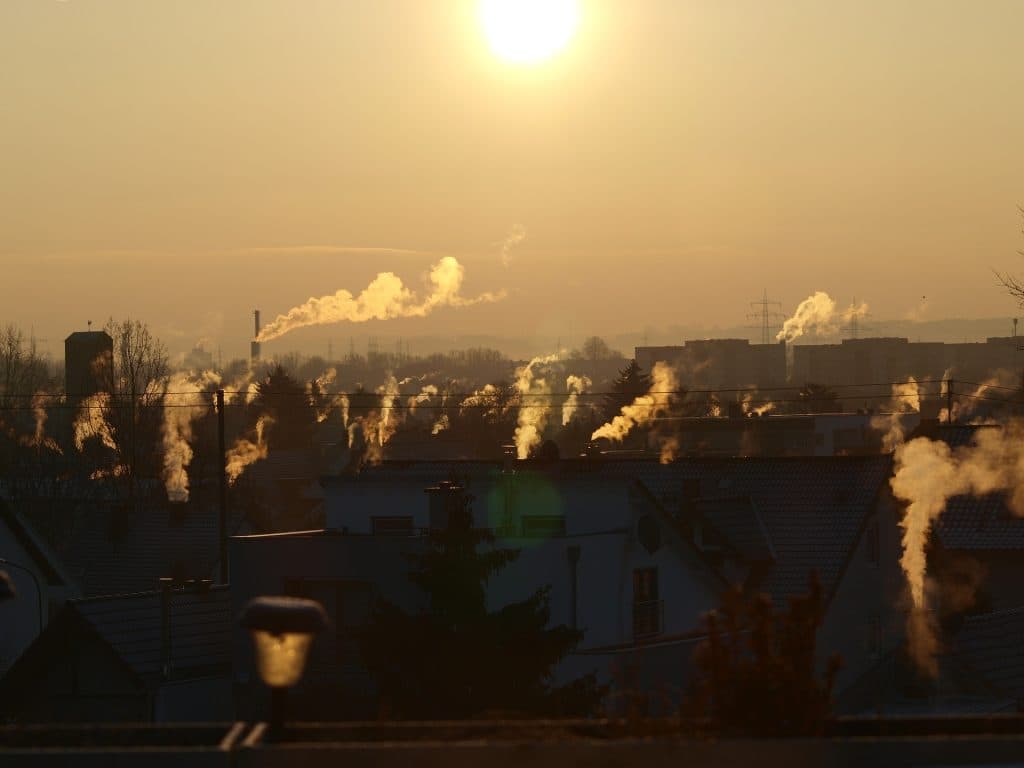
Most households in Germany heat their homes with fossil fuels. Heat pumps account for most heating systems in new buildings, however, data from the German energy industry association BDEW show. Decarbonising heating is one of Germany’s biggest challenges on the path to climate neutrality.
Fossil fuels continue to dominate the heating market in existing buildings in Germany. Last year, the 43 million residential units in Germany were heated mainly with gas (56%) and heating oil (17%). Heat pumps are installed in around 4% of households.
Almost 70% of homes completed in 2024 were equipped with heat pumps, while 15% had gas boilers. The share of new homes connected to district heating has remained around 8% for some time.
A quarter of new apartments are connected to district heating, 46% use heat pumps and 21% are heated with gas boilers. The share of gas in heating new buildings has also been falling steadily since 2016, almost entirely at the expense of heat pumps.
“For this positive trend to continue, we now need suitable, stable and reliable subsidy programmes, as well as clear political signals to encourage investment in modern and efficient heating technologies,” said Kerstin Andreae, head of BDEW.
Reducing greenhouse gas emissions in the heating sector is one of the biggest challenges on Germany’s path to climate neutrality, which the government aims to achieve by 2045. Progress in modernising the existing building stock has been particularly slow.
The previous government adopted a reform of the law that gradually phases out fossil fuel heating in new buildings and introduces new heating systems step by step in existing buildings. The current government has announced major revisions to the law, creating uncertainty in the sector.
Translation disclaimer
This article is a machine translation of the Czech original and has not yet been fully reviewed. In case of any doubt, please refer to the Czech version.
Sdílejte článek prostřednictvím:
You might also like


10 October 2026, 13:19

10 October 2026, 07:37

10 October 2026, 07:02