Huawei on the future of energy storage in Czechia: technologies, barriers and solutions – part II

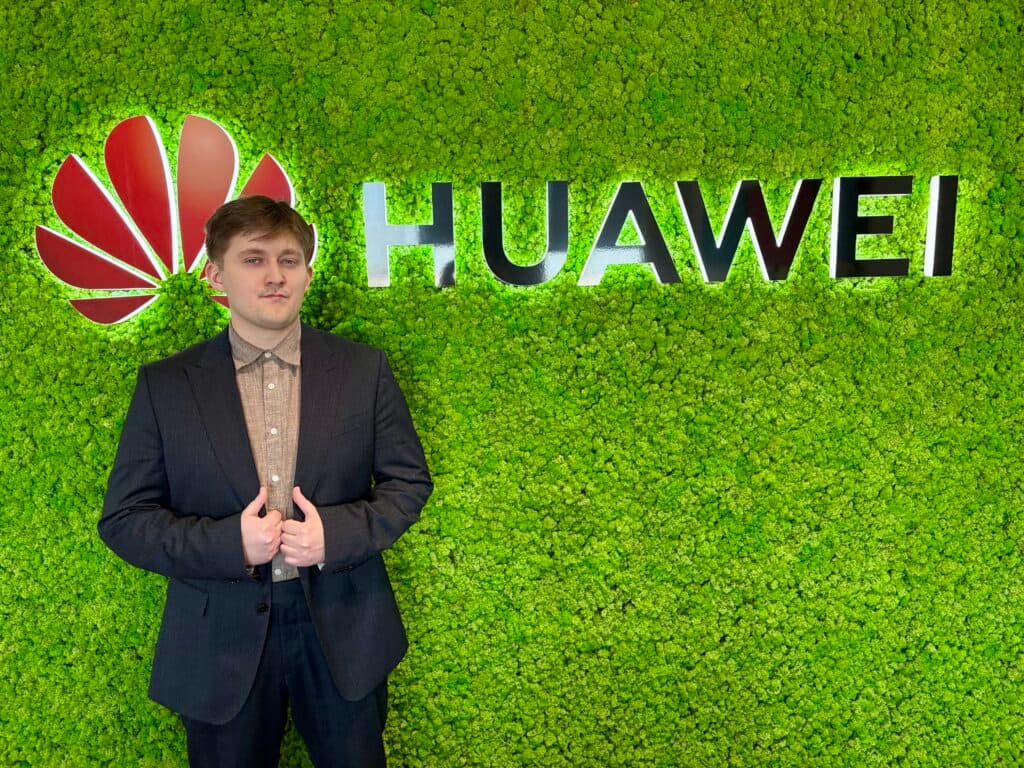
In the first part, we focused on introducing the Huawei LUNA2000-215-2S10 battery energy storage system and its key features. In the second part of our interview with Marek Konečný, solution manager at Huawei, we take a closer look at the product’s technical details, the barriers to energy storage in the Czech market and the outlook for the future.
Your storage system uses LFP cells. Why this technology?
We use LFP cells—lithium iron phosphate—because they are now the standard for stationary batteries. This chemistry is the safest option available on the market. Unlike other types, such as NMC cells (nickel-manganese-cobalt), LFP batteries have greater thermal stability and a significantly lower risk of fire.
It is true that LFP cells have a lower energy density—they store less energy in a given volume than other chemistries—but this is not a major issue for stationary storage systems, which are not space-constrained. The result is a system that is safe, reliable and suitable for long-term operation, which is essential for industrial and commercial applications.
I’d also like to ask about active cell balancing. How does this technology work, and how does it help extend battery life?
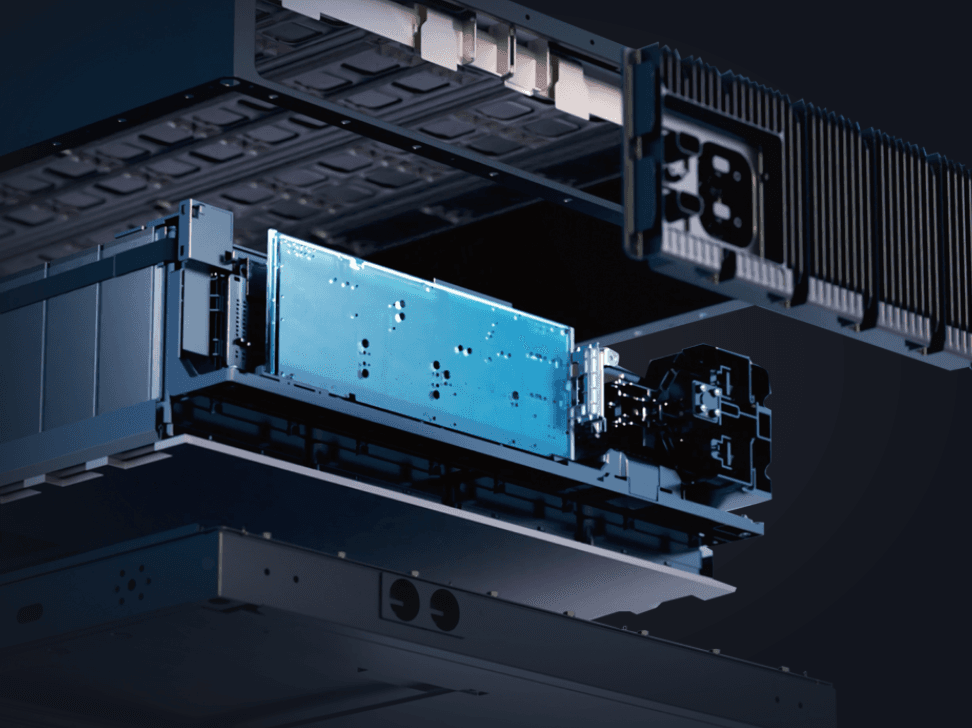
Each storage system consists of hundreds of smaller LFP cells—in our case, 280 Ah prismatic cells. For the system to operate properly and safely, all the cells need to be charged and discharged evenly.
If one cell were to get “out of sync” with the others—for example, if it became fully charged before the rest—it could be overcharged, degrade faster or even cause the entire system to fail.
That is why we monitor the voltage and temperature of every cell and actively manage the flow of energy to keep all the cells balanced at all times. We use advanced algorithms and artificial intelligence to make the balancing as efficient as possible.
This extends battery life, improves operational safety and minimises the risk of premature wear on individual cells. At the system level, we also use battery optimisers to balance entire packs.
How is the storage system installed and managed afterwards?
Installation is exceptionally quick—one cabinet can theoretically be installed in less than an hour. The entire system is pre-assembled, so there is no need for complex on-site assembly. The storage unit simply needs to be placed on a prepared foundation, connected and started up.
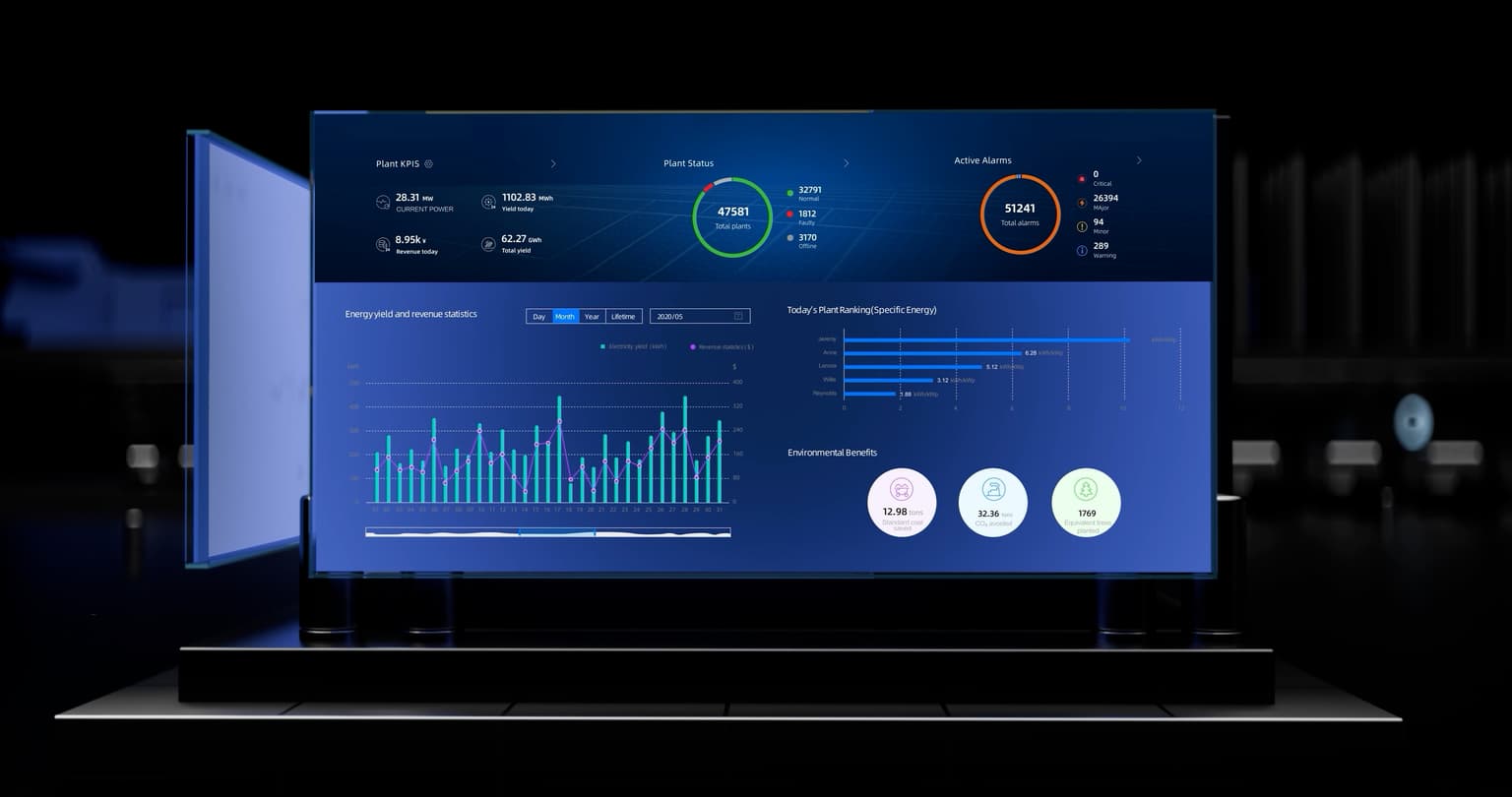
System management is very straightforward. We use a cloud platform that continuously monitors the condition of the cells and the entire storage system. If a problem arises, artificial intelligence detects it before it becomes apparent externally.
The customer only needs to carry out basic visual checks—for example, checking the filters, the cooling system for leaks and the general physical condition of the equipment.
The battery energy storage system is designed to last at least 10 years without any major servicing. After that, we recommend servicing the cooling system. In any case, we offer a maximum warranty of 15 years. The standard warranty is two years, but once you connect to the cloud, it extends to 10 years, with a further five years available for purchase. This does not involve a large additional cost, and the storage system will continue to operate beyond that period; the battery itself can last for more than 20 years.
Could you tell us more about the price?
We do not set the price directly—it depends on our distributors and installation partners. The price includes not only the storage system itself, but also site preparation, electrical installation and other necessary work. I therefore recommend that customers contact installation companies directly to get a complete quote.
How are battery energy storage systems faring in the Czech market today?
If we are talking about the smaller storage segment—that is, systems with a capacity of between 100 and 800 kilowatt-hours, or roughly up to one megawatt-hour—there are currently no major legislative barriers. The bigger challenges concern large battery systems intended to provide ancillary services (such as stabilising the grid through balancing services).
These larger systems are waiting for new legislative changes, such as LEX OZE III, but it will take some time for the changes to be implemented in practice through specific decrees and technical standards.
For smaller and medium-sized battery solutions such as our LUNA2000-215-2S10, the biggest obstacle is investor reluctance. For many companies, this is still a relatively new technology they have no experience with.
Investors worry that the storage system will not pay for itself, that the project will be technologically risky, or that battery operation may pose safety risks. This psychological barrier is currently the main brake on market development in the Czech Republic.
Are there any support schemes or incentives available today that could help overcome these concerns?
Yes. The OPTAK programme is currently available and could significantly encourage the deployment of battery energy storage systems. It offers a combination of an interest-free loan and a non-repayable grant.
Under the programme, customers can receive a grant of up to 50% towards the purchase of a battery energy storage system and related technologies, such as solar PV. They can also get a 0% interest loan to cover the remaining investment costs.
In practice, this means that the state finances a large part of the project, while the remainder can be repaid interest-free, significantly reducing the initial financial barrier.
It is true that administering the grant was complicated and time-consuming at first, which put some investors off. However, we have indications that the processes are being simplified, making it easier to obtain the grant.
So what could help battery energy storage systems become more widespread in Czechia in the near future?
The first step is to make more effective use of grants so that companies and investors can safely “try out” the technology with minimal risk. As more storage systems are installed and operated in practice, natural scepticism will also ease.
Another factor that we believe will help is increased volatility in electricity prices on the market.
Once the difference between low and high electricity prices throughout the day becomes more pronounced, the economic benefits of batteries will become even more apparent.
The growth of flexibility aggregators—companies that combine battery systems into coordinated portfolios providing ancillary services—will also help make the use of batteries a standard part of the energy market.
Do you see the Czech market as promising?
Absolutely. Although we are still at an early stage, the potential is considerable. We believe that demand for battery energy storage systems will grow rapidly as the initial barriers are gradually removed.
We already have positive experience from our first installations, and once it is confirmed that the systems operate reliably and safely and deliver savings, more and more projects will follow.
How is Huawei currently positioned in the Czech and Slovak markets for battery energy storage systems?
We are doing very well in the industrial and commercial storage segment. We have already completed several dozen projects in the Czech Republic and Slovakia.
We consider this a very solid result, given that just a few years ago this technology was virtually unknown in our markets.
Moreover, with the arrival of a new generation of batteries that are another step forward technologically, we see even greater potential for the future. We expect the number of installations to grow rapidly as products become more readily available and companies gain confidence in the technology.
Do you work with energy companies, for example in the area of flexibility?
Our solution is fully flexible. The LUNA2000 battery energy storage system is ready to connect to any flexibility aggregator or other partner that enables power control and grid balancing.
We leave the choice of partner to the system owner, who decides which company to work with on providing ancillary services or managing consumption.
There are already a number of companies in the Czech Republic offering this service, and our storage systems are compatible with their systems. From the customer’s perspective, there is therefore no problem integrating the storage system into smart grids or participating in flexibility services.
What trends do you expect in the battery sector, and where do you think the technology is headed?
Huawei holds a large number of patents in energy and battery technologies, so we will certainly continue to be active innovators.
As for current trends, most plans and developments are naturally confidential, but in general, no major revolution in cell chemistry is expected for now.
Sodium-ion batteries, for example, were discussed for a long time as a cheaper alternative. However, reality has shown that it is not so simple—the failure of one of Europe’s sodium-ion cell factories, for instance, showed that existing LFP technology remains the most effective.
The price of LFP cells is falling rapidly, while they continue to offer high safety and a long service life. We therefore expect LFP cells to remain dominant in the coming years.
Improving battery recycling will also be important in the future. Once battery energy storage systems reach the end of their service life after years of operation, it will be necessary to recover valuable metals efficiently and establish a circular economy for energy storage.
This is not an urgent problem yet, as the vast majority of existing batteries are in operation and will remain in service for many years. But it is an area that Europe will need to focus on more in the future.
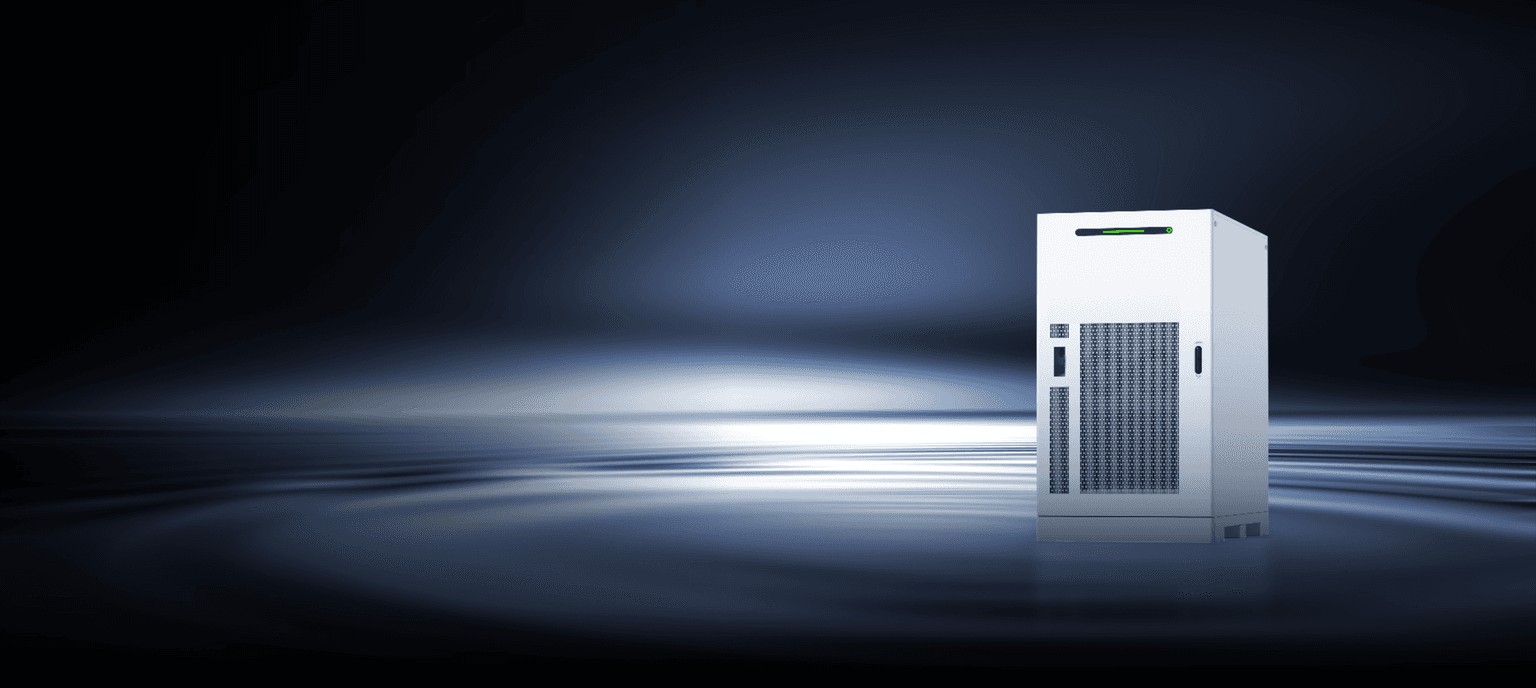
To conclude, who would you recommend the LUNA2000 battery energy storage system to?
Our solution is not limited to one type of customer. The LUNA2000 battery energy storage system is suitable for households, industrial companies and large utility-scale projects.
We offer versions suitable for small installations at family homes as well as industrial businesses looking to optimise their energy consumption, along with large-capacity solutions for connection to distribution and transmission grids.
Wherever there is a need to manage energy efficiently, reduce costs or improve grid stability, a storage system has a role to play.
The benefits of battery energy storage systems are now so wide-ranging that virtually anyone can benefit—from a small business owner to major energy companies.
Translation disclaimer
This article is a machine translation of the Czech original and has not yet been fully reviewed. In case of any doubt, please refer to the Czech version.